
Corporate dining spaces are no longer just places to consume meals; they operate as high-turnover communal hubs that endure brutal, multi-shift daily wear. For facility managers and corporate procurement officers, specifying the wrong seating results in rapid aesthetic degradation, escalating janitorial costs, and frequent replacement cycles. Unlike standard office cubicles, a corporate cafeteria requires furniture that merges spatial efficiency with extreme chemical and structural resilience.
Procuring a fleet of dining chairs is a significant capital expenditure that hinges on strict material science and layout geometry. This technical guide outlines the precise spatial planning metrics, polymer durability standards, and maintenance logistics required to successfully source and deploy cafeteria and breakroom seating at an enterprise scale.
Spatial Geometry: Capacity Planning and Traffic Flow
The most common failure in cafeteria design is overcrowding. A functional layout must balance maximum occupancy with safe, unobstructed service corridors. Procurement teams must mathematically verify the room's maximum safe load before issuing purchase orders for bulk seating.
Density and ADA Clearances
When designing a corporate dining floor plan, the primary dining room should generally constitute approximately 60% of the total food service area. Facility managers must allocate 12 to 15 square feet per person for standard cafeteria table seating to ensure adequate traffic flow and comfort.
Clearances are strictly regulated. An 18-inch physical clearance between occupied chairs is the standard minimum to prevent congestion and allow participants to pull out their seats safely. Furthermore, primary service aisles must remain at an absolute minimum of 36 inches wide to comply with the Americans with Disabilities Act (ADA) wheelchair navigation requirements. Parallel tables require even wider pathways, typically 42 to 60 inches between edges, ensuring seamless navigation for both employees and cafeteria staff.
Material Science: The Polypropylene Advantage
Corporate cafeterias require harsh, daily sanitization protocols. In these high-turnover environments, traditional fabrics stain permanently, porous woods strip and warp, and standard metals can rust from constant mopping. This is why high-density engineered plastics dominate the commercial dining sector.
Virgin Polymers vs. Recycled Blends
Not all commercial plastics are manufactured equally. When procuring polypropylene dining chairs, corporate buyers must explicitly specify the use of virgin polypropylene. Unlike recycled plastic mixes that may contain structural impurities, virgin polypropylene maintains consistent elasticity and immense tensile strength.
When reinforced with glass fibers or elastomeric composites, these advanced chairs resist "creep"—the scientific term for the slow, permanent deformation of a material under a constant load. This engineering ensures the chair can endure thousands of continuous flexing events (when a user sits and leans back) without developing the micro-fractures that inevitably lead to catastrophic structural failure at the leg junctions. For a deeper dive into the technical advantages of these polymers, consult our article on why polypropylene is the professional standard.
Chemical Sanitization and Surface Porosity
Seamless moulded polypropylene chairs are inherently non-porous and hydrophobic. They physically repel aggressive bleach-based janitorial solvents, industrial degreasers, and biological spills without experiencing color loss, surface hazing, or moisture absorption. This seamless construction also eliminates joints and crevices where bacteria and food particulates typically accumulate, dramatically lowering janitorial overhead.
Structural Integrity and ANSI/BIFMA Testing
To mitigate corporate liability, seating deployed in public dining spaces must guarantee physical safety.
Load Cycles and Contract-Grade Performance
"Commercial grade" is not merely a marketing term; it is a measurable engineering standard. High-quality cafeteria seating should be benchmarked against rigorous frameworks, such as ANSI/BIFMA standards, which simulate up to 10 years of heavy, daily use. Chairs tested against these contract-grade parameters undergo thousands of mechanical drop, rock, and load cycles. Consequently, commercial polycarbonate and polypropylene chairs are frequently rated to safely support weight capacities exceeding 300 lbs, guaranteeing inclusivity and long-term asset survival.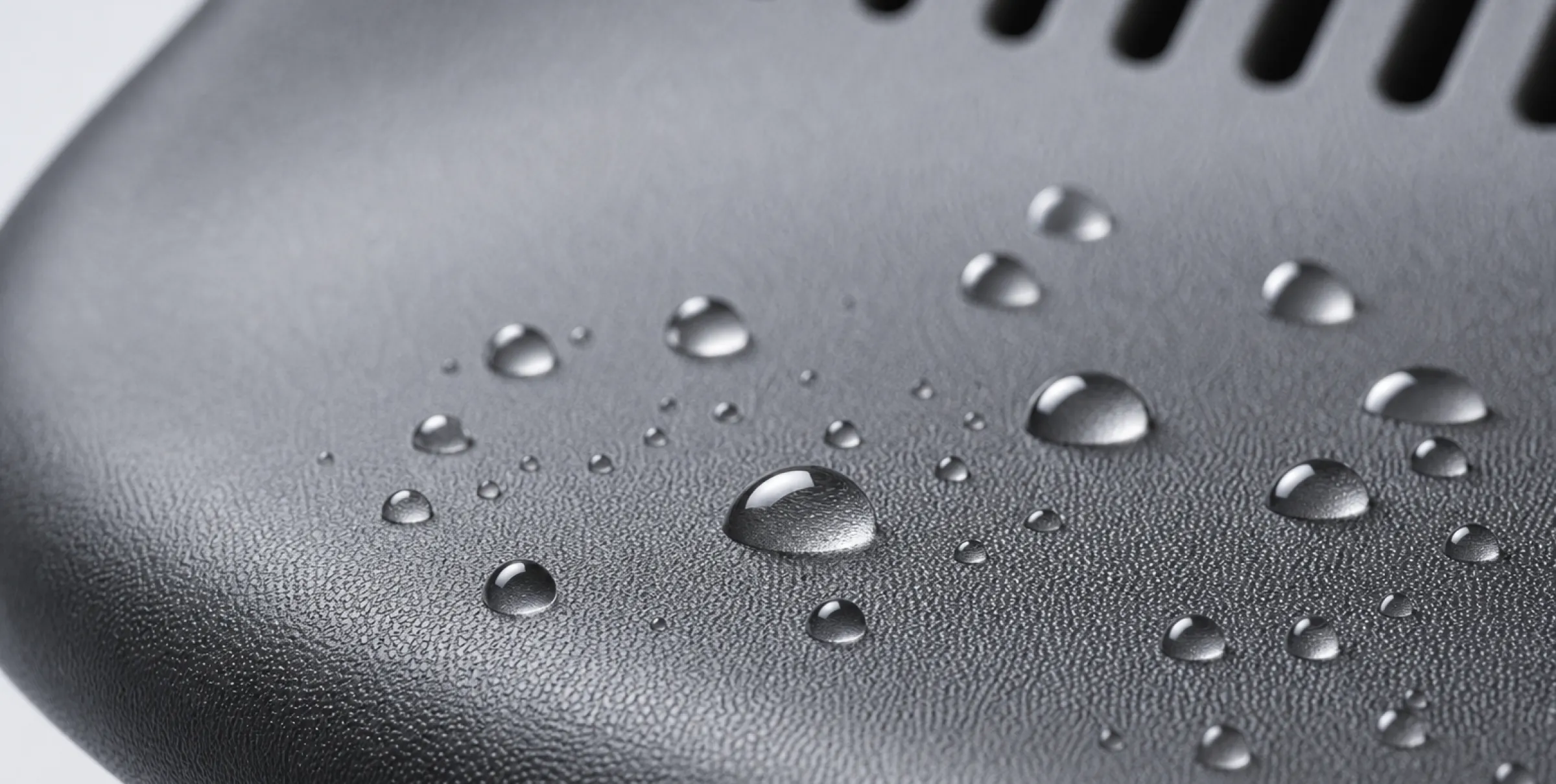
Operational Logistics: Stackability and Wholesale Procurement
The total cost of ownership (TCO) for breakroom furniture heavily depends on how easily it can be manipulated by maintenance teams.
Minimizing Janitorial Downtime
To maintain a strict level of hygiene, dining floors must be mopped, sanitized, and buffed nightly. Heavy, non-stacking wooden or metal chairs create severe operational drag for janitorial teams. Deploying a lightweight polypropylene stackable chair allows staff to rapidly clear the floor, safely stack units 8 to 12 high, and execute deep-cleaning protocols without risking physical strain or paying for excess labor hours.
For unified aesthetic alignment across large corporate campuses, facility managers should source complete polypropylene table and chairs sets in bulk. Engaging directly through a wholesale manufacturing channel ensures strict batch-to-batch color consistency and secures a dedicated Service Level Agreement (SLA) for long-term component replacements. For further strategic insights on sourcing these critical assets, review our comprehensive polypropylene shell chairs buyers guide.
Frequently Asked Questions
How much space is required per person in a corporate cafeteria?
Facility managers should allocate between 12 and 15 square feet per person for general table service in a commercial cafeteria. This calculation accommodates the physical table footprint, necessary chair pull-out zones, and general traffic flow.
Why is virgin polypropylene preferred over recycled plastic for dining chairs?
Virgin polypropylene lacks the molecular impurities found in recycled blends, offering vastly superior tensile strength and consistent flexibility. When reinforced with glass fibers, it inherently resists "creep" (constant-load deformation) and prevents dangerous micro-fractures during heavy, repeated flexing.
What is the minimum aisle clearance for a commercial dining room?
While standard pathways between parallel tables require 42 to 60 inches of clearance, primary traffic aisles must remain at an absolute minimum of 36 inches to strictly comply with ADA wheelchair navigation requirements.
How long do commercial polypropylene dining chairs typically last?
While cheap retail plastics degrade and become brittle in 18 to 24 months, high-quality, UV-stabilized, commercial-grade polypropylene chairs are engineered for a realistic service life of 3 to 7 years under intensive daily use, often lasting up to 10 years when properly maintained.
What does ANSI/BIFMA testing mean for breakroom furniture?
BIFMA is an industry association that develops rigorous physical testing methods for institutional and commercial furniture. A chair tested to BIFMA or similar contract-grade standards has undergone thousands of simulated loading, dropping, and flexing cycles to guarantee structural safety, weight capacity, and stability under extreme commercial conditions.
