


Learn More About Plastic Shell Chairs
What Is a Plastic Shell Chair?
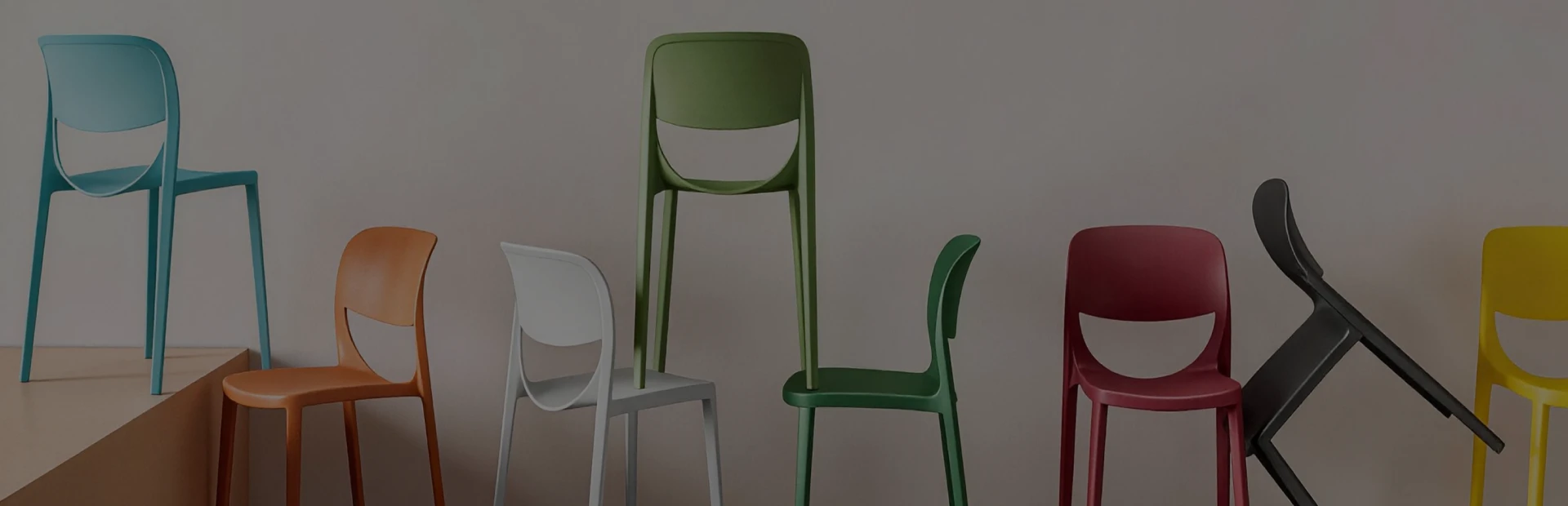
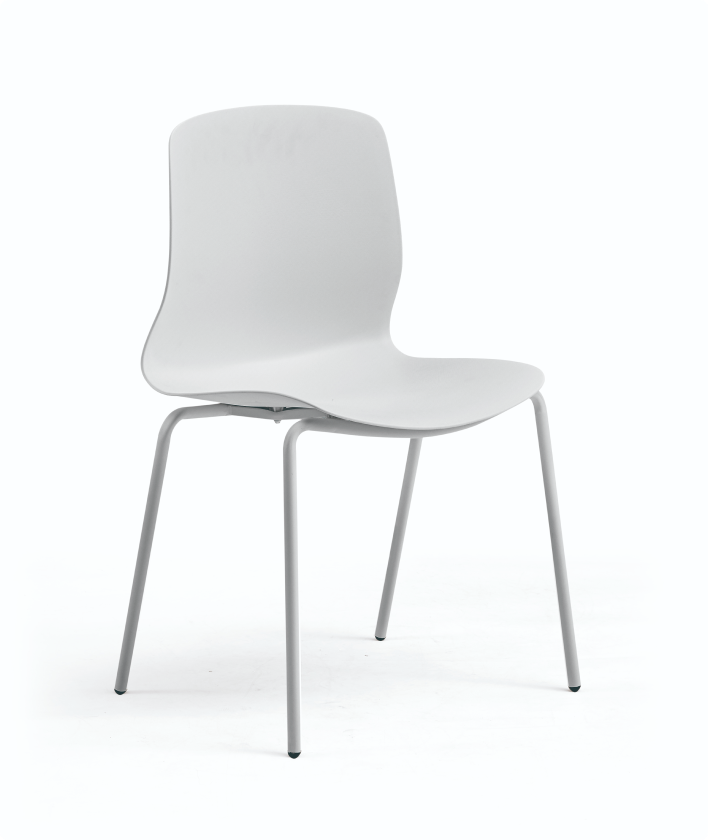
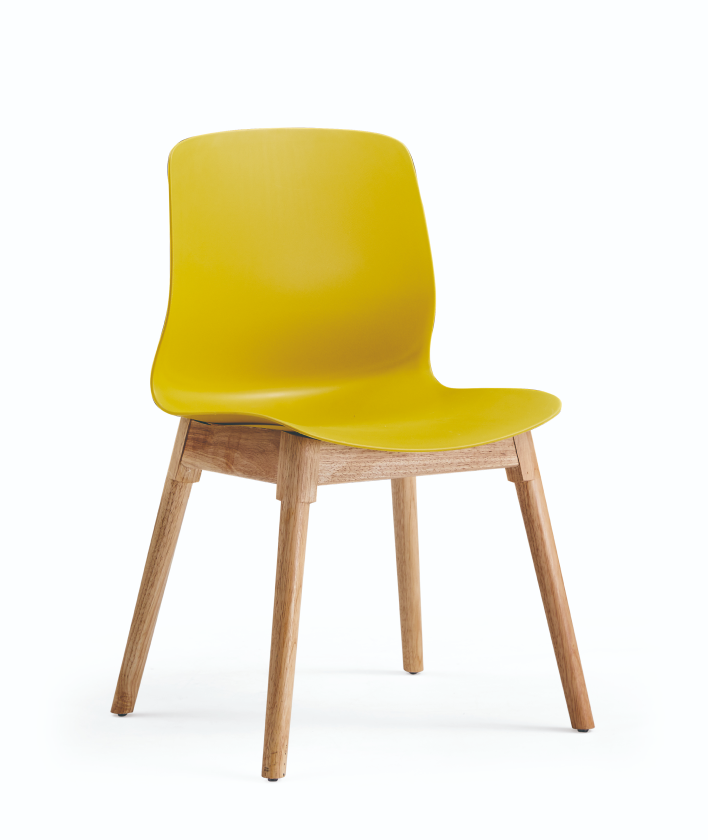
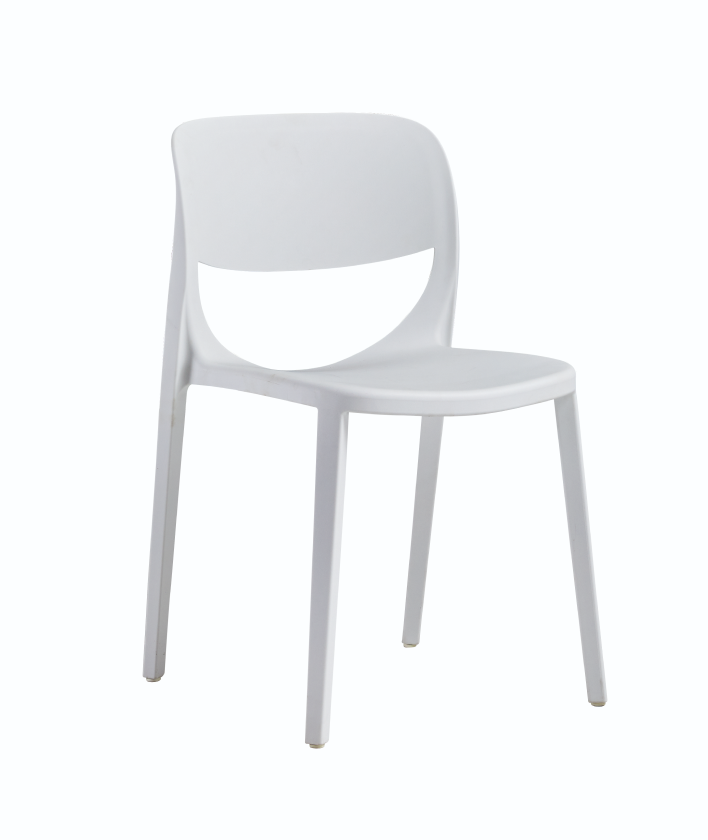
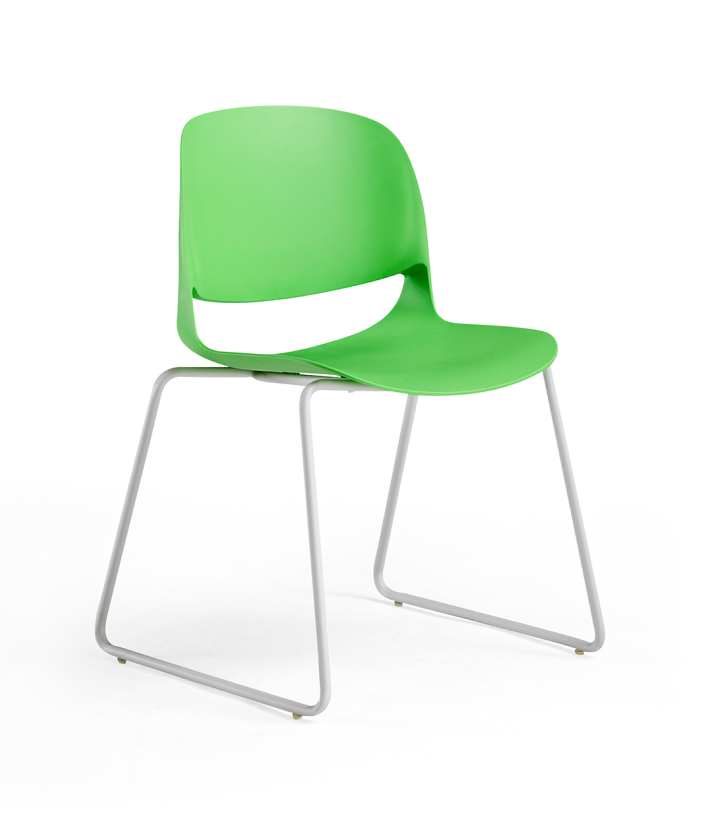
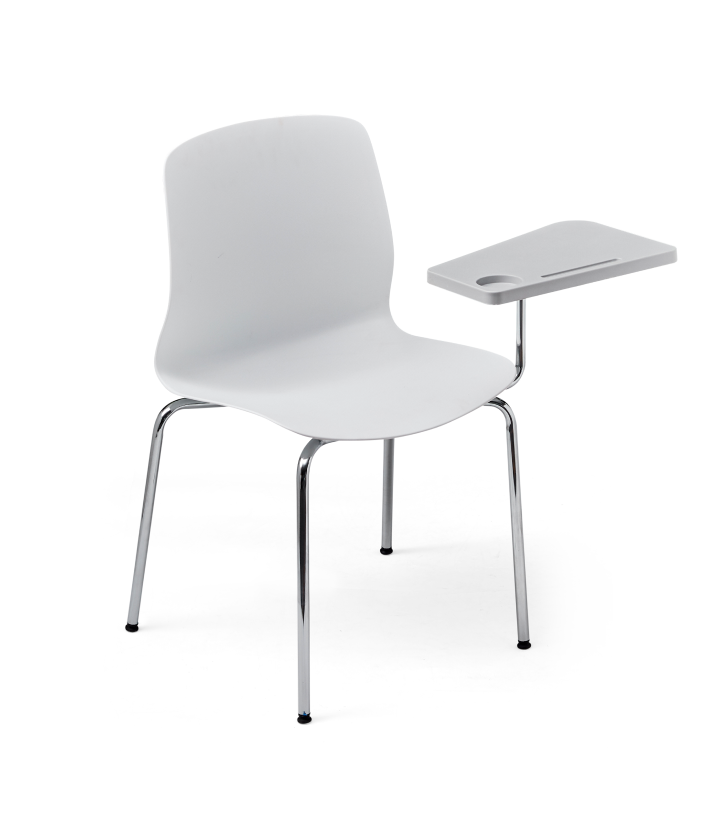
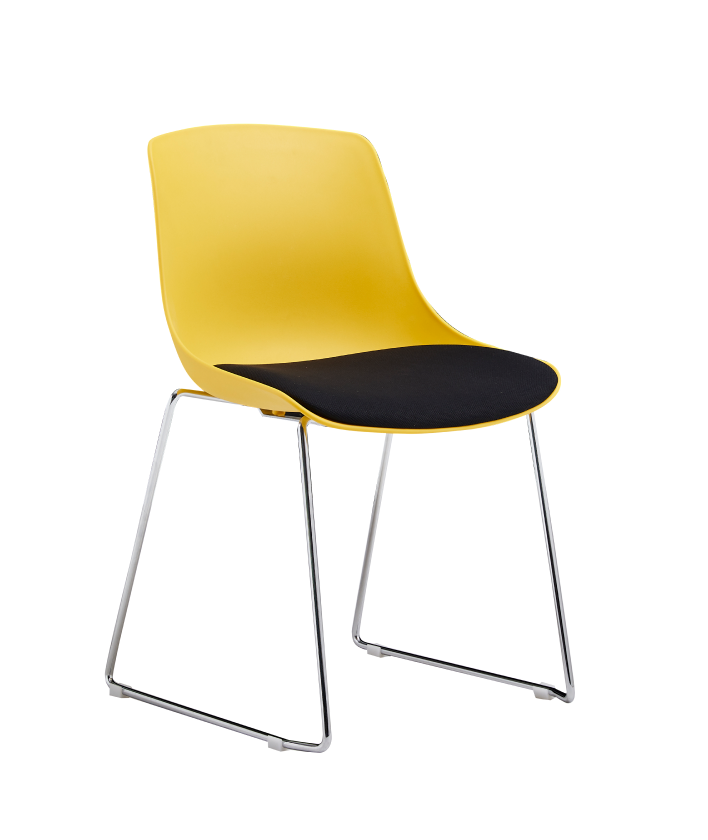
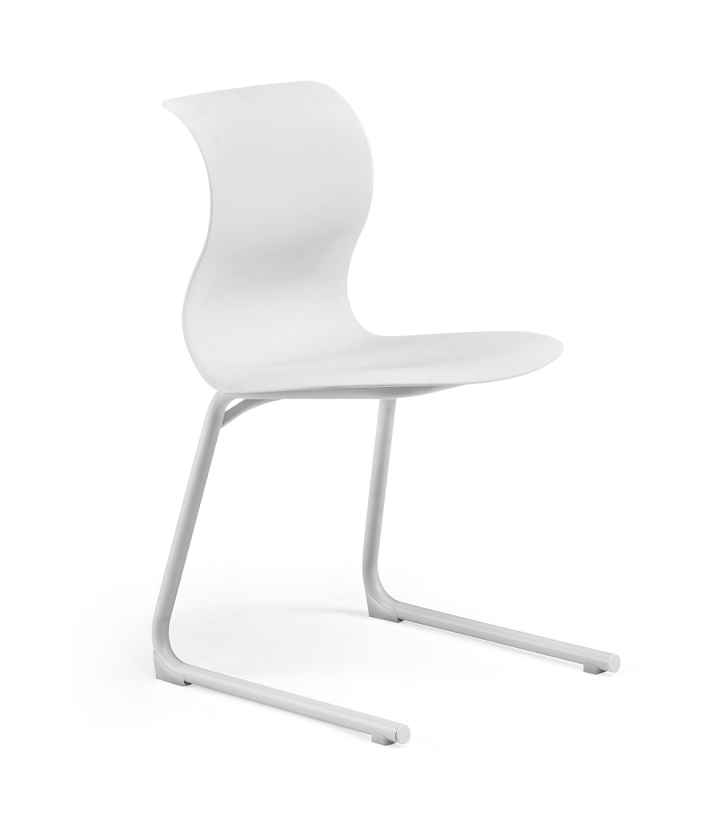
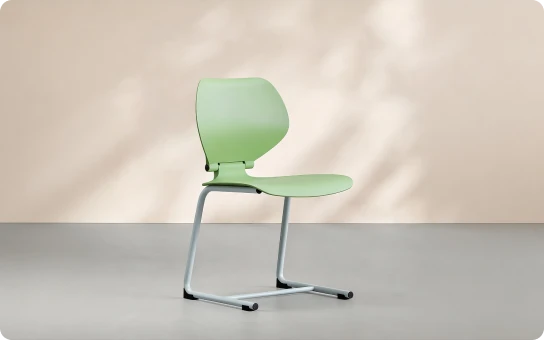
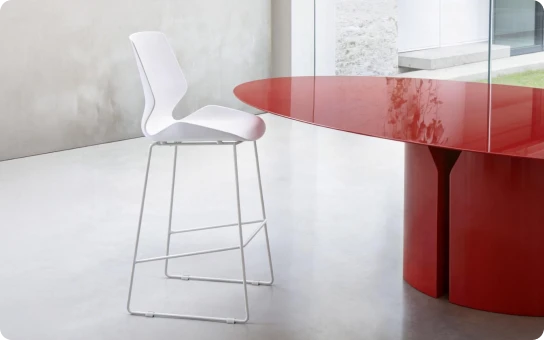
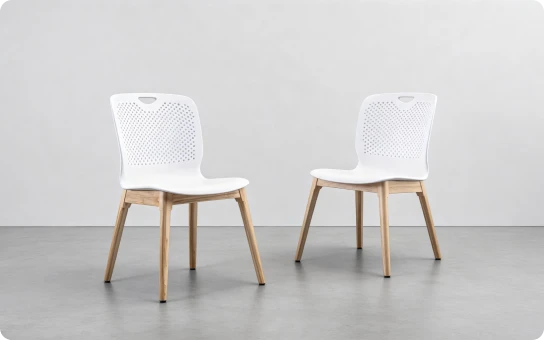
A plastic shell chair is defined by its one-piece injection-molded seat-and-back unit, structurally independent from the frame. The shell geometry is engineered to distribute seated load across the entire back surface rather than concentrating stress at the lumbar contact point. Wall thickness on a standard PP shell typically runs 3.5–4.5mm, with reinforcing ribs molded into the underside of the seat pan to prevent flex deformation under sustained load. The shell attaches to the frame via recessed mounting points, isolating frame vibration from the seating surface.
PP vs PP+Fiberglass: Which Shell Material Should You Specify?
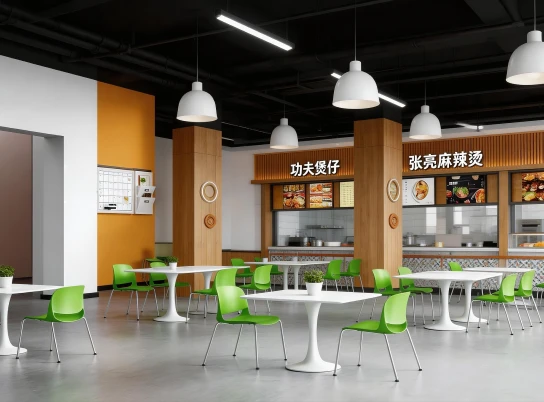
Standard polypropylene shells are sufficient for most commercial seating applications — offices, cafeterias, and light-use training rooms.
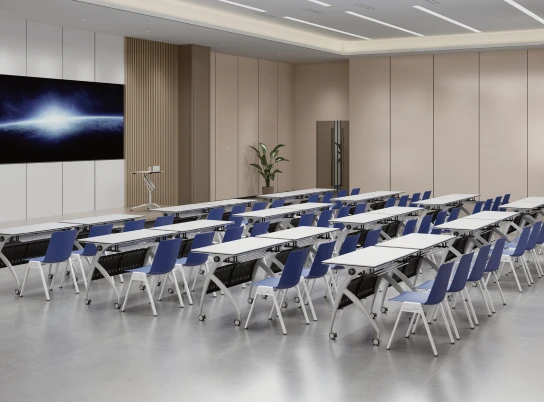
PP+fiberglass composite shells are specified where higher flexural strength is required: high-density classrooms, large conference facilities, and venues with continuous daily occupancy. The fiberglass reinforcement increases the shell’s resistance to lateral flex and impact without adding significant weight. For procurement where structural longevity is a tender requirement, PP+fiberglass is the recommended specification.
Injection Molding: Process & Dimensional Consistency
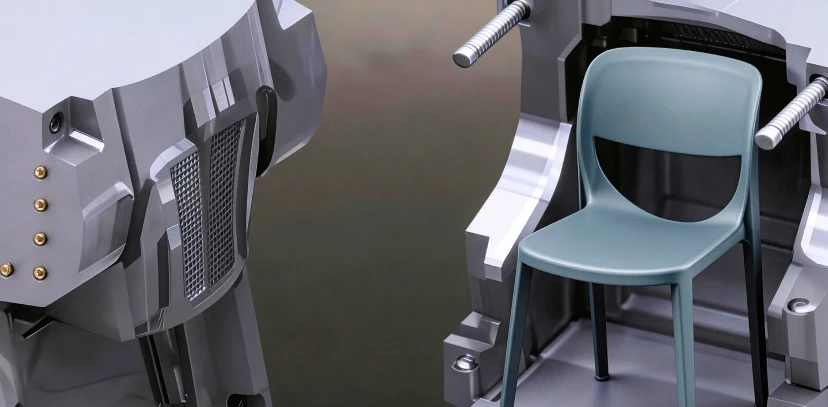
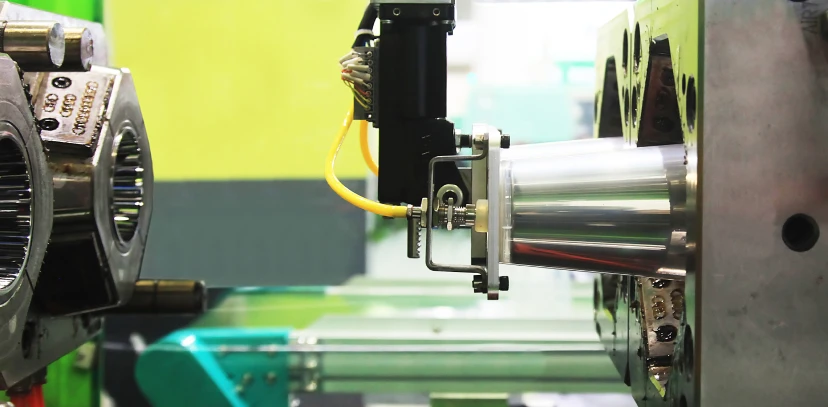
PP shell chairs are produced using closed-mold injection molding where virgin polypropylene granules are melted and injected into a fixed steel mold under controlled pressure — typically 800–1,200 bar depending on shell geometry. The mold determines every dimensional characteristic of the finished shell: contour radius, wall thickness distribution, mounting hole position, and surface texture. Once tooling is set, dimensional variance between units is held within ±0.5mm across a production run. This is why injection-molded polypropylene chairs maintain consistent fit when shells and frames are assembled from separate production batches.
Frame-to-Shell Connection: Load Transfer & Structural Integrity
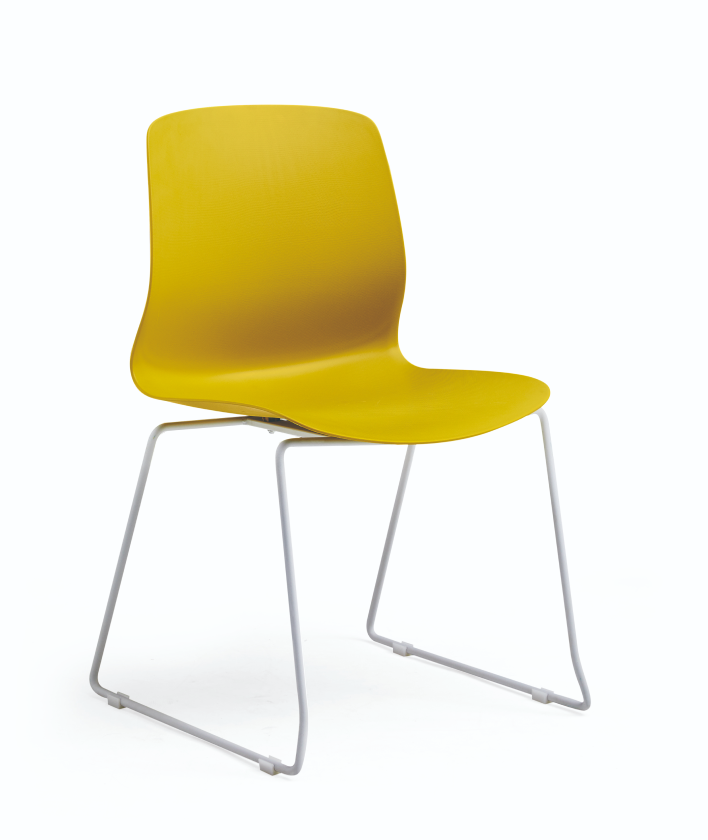
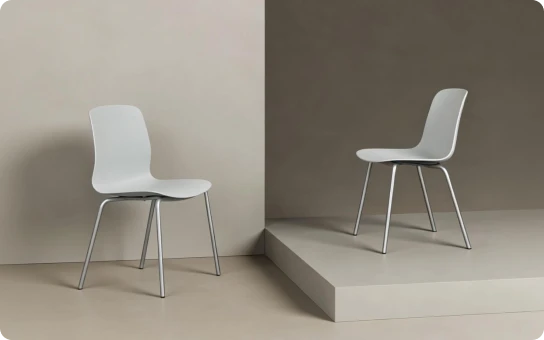
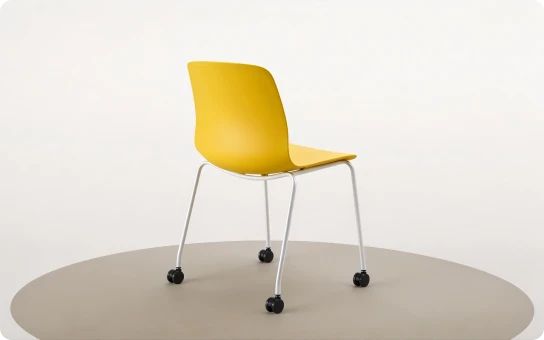
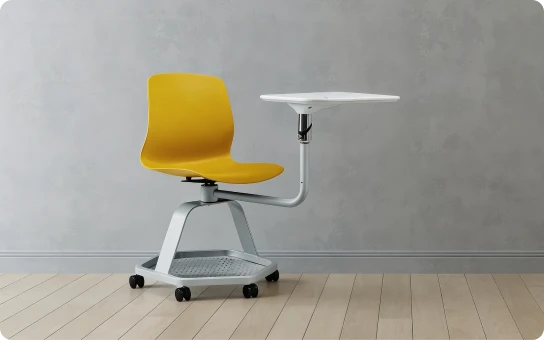
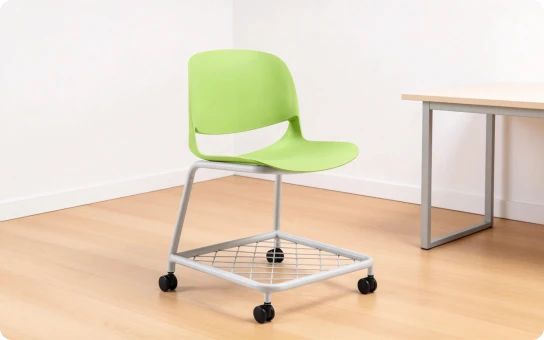
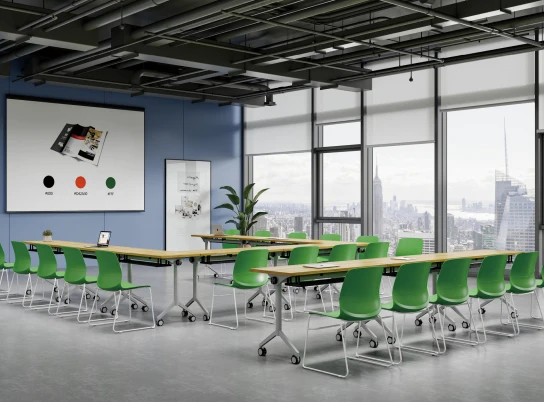
The connection between shell and frame is the primary stress point in a plastic shell chair. On sled base and 4-leg configurations, the shell is bolted through recessed inserts molded directly into the shell structure. The insert distributes the clamping load across a larger contact area, preventing stress concentration that would otherwise crack the PP around the bolt hole under repeated load cycling. On caster-mounted frames, the additional lateral forces generated by rolling movement require the insert positions to be reinforced — this is why caster-mounted PP shell chairs specify a higher-grade hardware specification than static frame variants.
Surface Finish & Colorfast Properties of PP Shells
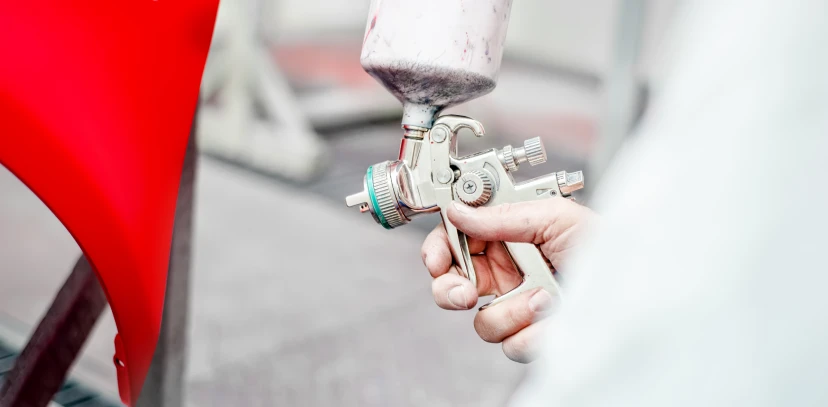
Polypropylene shells are pigmented through-body during the molding process — color is not a surface coating but is distributed uniformly through the full wall thickness. This means surface abrasion from normal use does not expose a different-colored substrate beneath. UV stabilizers can be compounded into the PP material at the granule stage, providing color retention in environments with significant daylight exposure. Standard production colors without UV additive are suitable for interior use. Outdoor or high-daylight applications should specify UV-stabilized compound to prevent chalking and color shift over time.
Stacking Mechanics & Shell Geometry
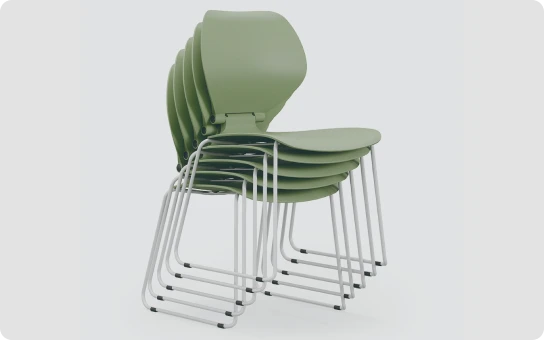
Stackability in PP shell chairs is determined by the shell’s rear profile and the frame’s leg geometry. The rear face of the shell must clear the seat pan of the chair below it during stacking, which requires a specific relationship between shell height, backrest angle, and frame leg spread. On sled base models, the rear legs act as stacking guides, keeping chairs aligned during vertical stacking. Stack height per unit typically adds 90–120mm depending on shell curvature. Chairs with deeper bucket profiles stack less efficiently than flatter shell designs due to the increased vertical clearance required between units.
