
Ergonomic Metrics for Call Centers: Specifying 24/7 Multi-Shift Seating Solutions
In high-density operational environments such as corporate call centers, emergency dispatch hubs, and multi-shift security control rooms, the workspace operates on a perpetual schedule. Unlike standard corporate offices where a desk and chair are utilized for a single 8-hour shift, 24/7 facilities cycle multiple operators through the same seating unit around the clock. Under this relentless multi-shift cadence, standard commercial task chairs experience accelerated structural fatigue, mechanical failure, and severe foam collapse within months.
At Aston Office, our OEM engineering teams specialize in robust, high-performance seating built to endure intensive commercial utilization. This technical guide examines the specific biomechanical demands of multi-shift environments, contrasting single-shift retail units with true 24/7 heavy-duty engineering, and demonstrating how proper chair specification lowers long-term operational TCO.
The Biomechanical Toll of Multi-Shift Operations
When multiple operators of varying heights and weights use the same workstation across consecutive shifts, the mechanical adjustments of the chair are constantly manipulated. In a sub-standard retail chair, this continuous cycle of lever actuation, tilt tension shifting, and height adjustment rapidly strips internal plastic gears and weakens pneumatic seals.
Furthermore, operators in 24/7 environments spend prolonged intervals confined to their seats with limited opportunity for postural breaks. Without active, responsive ergonomic support, this sedentary intensity causes severe spinal compression, lower back fatigue, and chronic musculoskeletal disorders. When evaluating what to look for when buying an office chair for high-frequency environments, facility directors must prioritize mechanical durability over superficial aesthetic padding.
Engineering Standards: Single-Shift vs. 24/7 Heavy-Duty Seating
A common and costly error in facility budgeting is deploying standard commercial-grade chairs into multi-shift operations. Standard commercial seating is strictly engineered and warrantied for a 40-hour work week (approximately 8 hours per day, 5 days a week).
When those same chairs are deployed in a 24-hour facility running three shifts, the cumulative wear triples overnight. Gas cylinders blow their pneumatic seals, tilt mechanisms crack under continuous torsional stress, and low-density foam bottoms out permanently. To prevent this, procurement officers must specify certified heavy duty office chairs explicitly rated for round-the-clock utilization. These units feature reinforced steel frame plates, enlarged base diameters, and Class 4 gas struts capable of supporting continuous multi-operator loads up to 400 lbs.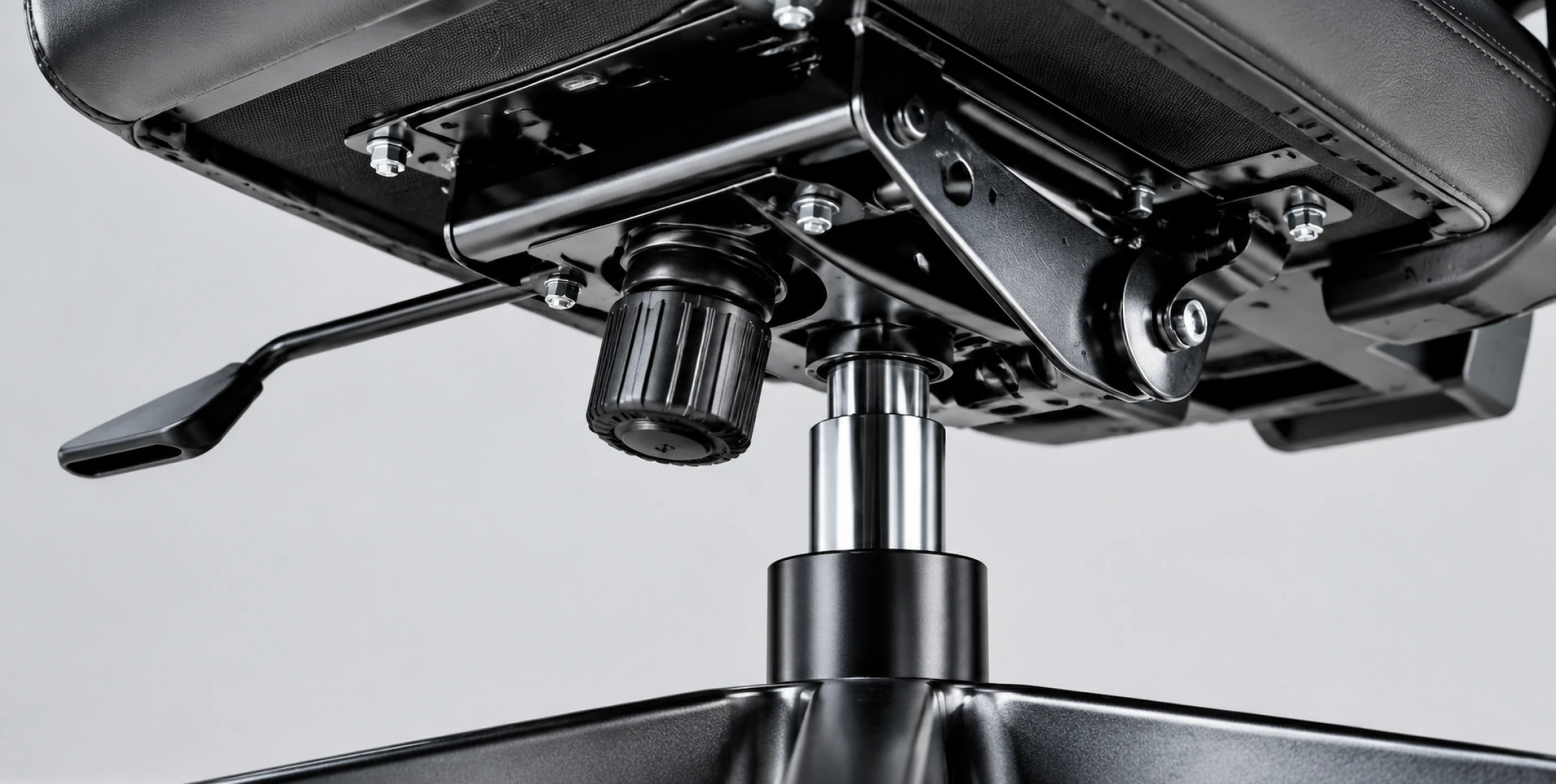
Key Technical Parameters for 24/7 Call Center Seating
Specifying seating for high-attrition dispatch and support centers requires a rigorous review of specific component tolerances:
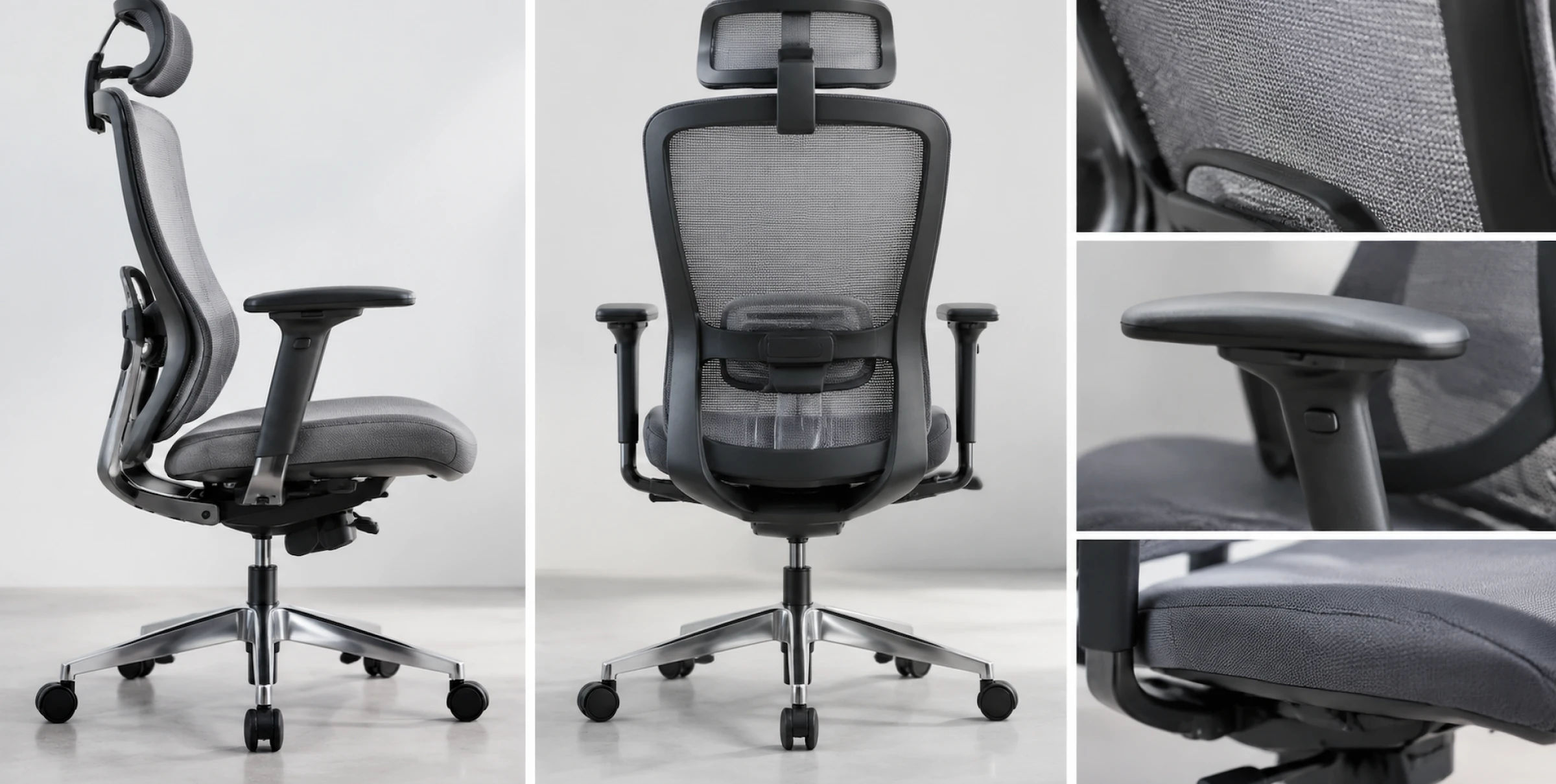
- High-Tension Elastomeric Mesh or High-Density Molded Foam: The seat pan and backrest must utilize materials that retain their structural memory. Sourcing ergonomic mesh office chairs with high tensile strength prevents sagging and ensures continuous passive thermal regulation during long operational hours.
- Multi-Lock Synchro-Tilt Mechanisms: Operators require dynamic recline positions to shift posture safely. Heavy-duty mechanisms milled from hardened steel allow operators to lock the backrest securely at multiple angles without structural slipping.
- Heavy-Duty Abrasion Resistance: Upholstery must feature high double-rub ratings (such as 100,000+ Wyzenbeek cycles) to resist friction wear from utility belts, badges, and continuous clothing abrasion.
Calculating Total Cost of Ownership (TCO) and Workforce ROI
From a capital expenditure perspective, 24/7-rated chairs carry a higher initial invoice price than consumer-grade retail chairs. However, calculating the true Total Cost of Ownership (TCO) reveals the distinct economic advantage of industrial-grade procurement.
If a facility deploys cheap retail chairs in a multi-shift call center, those units will typically fail structurally within 6 to 12 months, triggering continuous replacement cycles, administrative downtime, and workers' compensation claims related to ergonomic injuries. Investing in enterprise-grade seating guarantees years of reliable service. When enterprise buyers prepare to buy office chairs in bulk, partnering directly with an OEM manufacturer like Aston Office ensures access to factory-direct wholesale office furniture built specifically to eliminate premature replacement costs.
Frequently Asked Questions
Why do standard office chairs fail quickly in call centers?
Standard office chairs are engineered and tested for a single 8-hour shift (40 hours per week). In a 24/7 call center, chairs are used continuously across three shifts, tripling the mechanical wear and rapidly exhausting the lifespan of standard gas cylinders, foam cushions, and tilt mechanisms.
What defines a true 24/7 multi-shift office chair?
A true 24/7 chair features an extra-thick steel frame, a Class 4 heavy-duty gas cylinder, high-density molded foam or high-tension mesh, and a manufacturer warranty that explicitly covers round-the-clock usage by multiple different operators without voiding terms.
How does seating quality impact call center employee performance?
Operator fatigue is directly linked to ergonomic discomfort. When operators are physically supported by a fully adjustable ergonomic chair that maintains spinal alignment and breathability, physical restlessness decreases, reducing absenteeism and boosting sustained operational productivity.
What are the cost benefits of buying heavy-duty chairs in bulk?
Sourcing heavy-duty, 24/7-rated chairs directly from an OEM manufacturer in bulk eliminates retail markups and prevents the recurring operational expense of replacing broken consumer-grade furniture every few months, optimizing the facility's long-term budget.
