
Tailoring the Workspace: The OEM/ODM Customization Playbook for Corporate Interiors
For regional furniture brands, architectural design firms, and large-scale commercial project managers, relying entirely on standardized, off-the-shelf catalog products creates a distinct competitive disadvantage. When a flagship corporate headquarters requires custom dimensional tolerances, strict brand color-matching, or unique ergonomic features, standard retail furniture simply cannot satisfy the architectural blueprint.
At Aston Office, our manufacturing infrastructure is built upon flexible, scalable OEM and ODM capabilities. This technical guide decodes the custom manufacturing playbook for commercial interiors, detailing how regional brands and enterprise buyers can leverage direct factory partnerships to bring bespoke office furniture visions to life without inflating project budgets.
OEM vs. ODM: Defining the Manufacturing Partnership
In global B2B procurement, understanding the distinction between OEM (Original Equipment Manufacturer) and ODM (Original Design Manufacturer) is critical to structuring a successful product line or project execution.
Original Equipment Manufacturer (OEM)
An OEM partnership is built upon your proprietary engineering drawings, spatial specifications, and dimensional blueprints. Your architectural team designs the product—whether it is a specialized executive desk or a modular conference system—and our factory floor executes the exact manufacturing, structural framing, powder-coating, and assembly under strict quality control standards.
Original Design Manufacturer (ODM)
An ODM partnership leverages our internal R&D and industrial design portfolio. Regional brands select from our existing, patent-backed frameworks—such as advanced ergonomic mesh chairs or custom reception counters—and collaborate with our engineering team to modify surface finishes, textiles, branding elements, and packaging configurations. This approach drastically reduces time-to-market for growing distributors.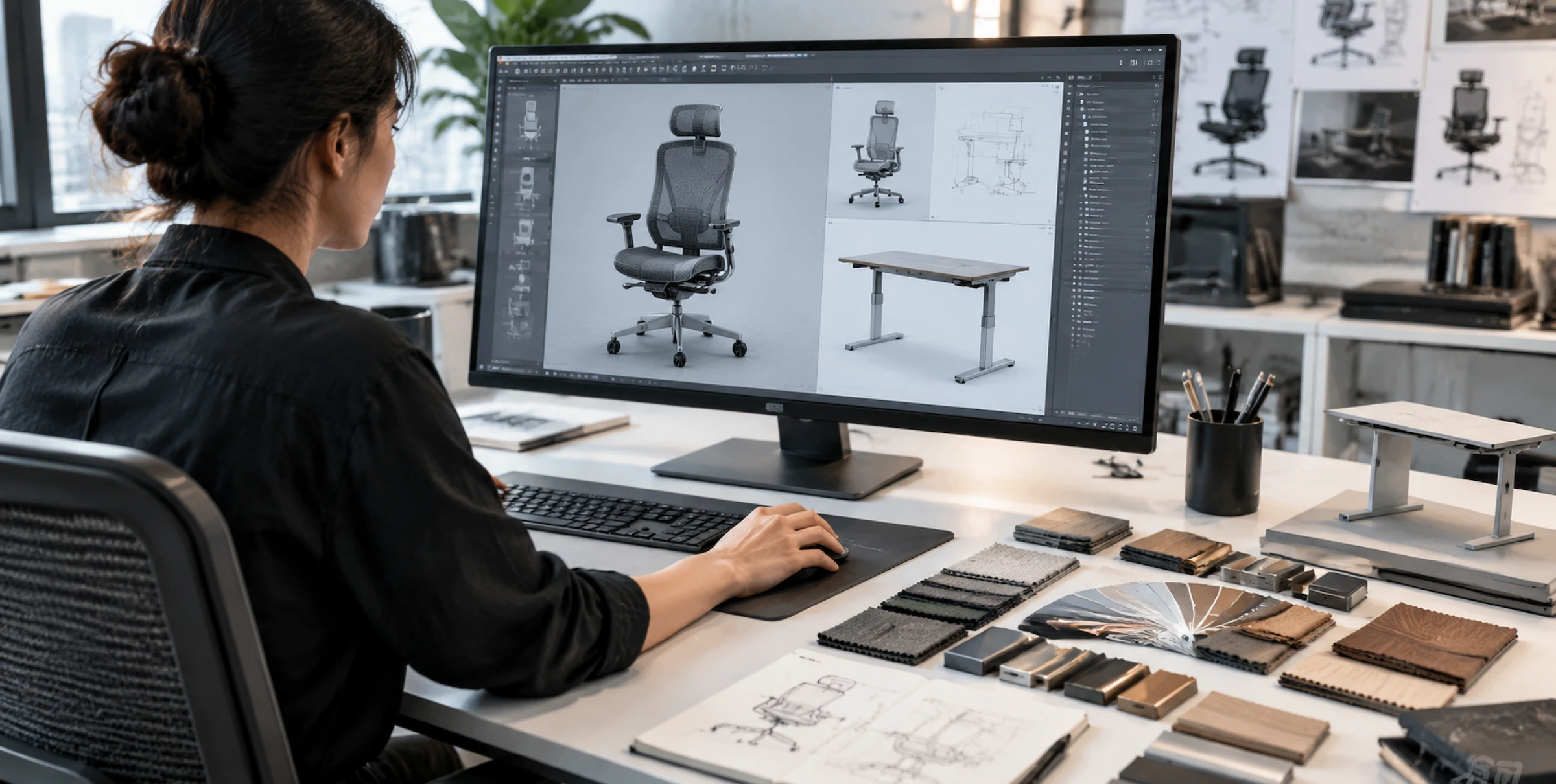
The Customization Lifecycle: From 3D Blueprint to Factory Floor
Executing a custom furniture order for a major commercial interior requires a disciplined, multi-stage standard operating procedure (SOP). Sourcing cheap custom millwork from unverified workshops often leads to catastrophic sizing errors and structural failures. A professional OEM workflow follows rigorous protocols:
- Engineering Review and Feasibility Analysis: Our industrial designers examine your CAD drawings or architectural renderings to verify structural load capacities, material compatibility, and BIFMA compliance potential.
- Prototyping and Sample Validation: Before mass production begins, we construct physical prototypes to test mechanism articulation, foam density comfort, and veneer color consistency under real-world lighting conditions.
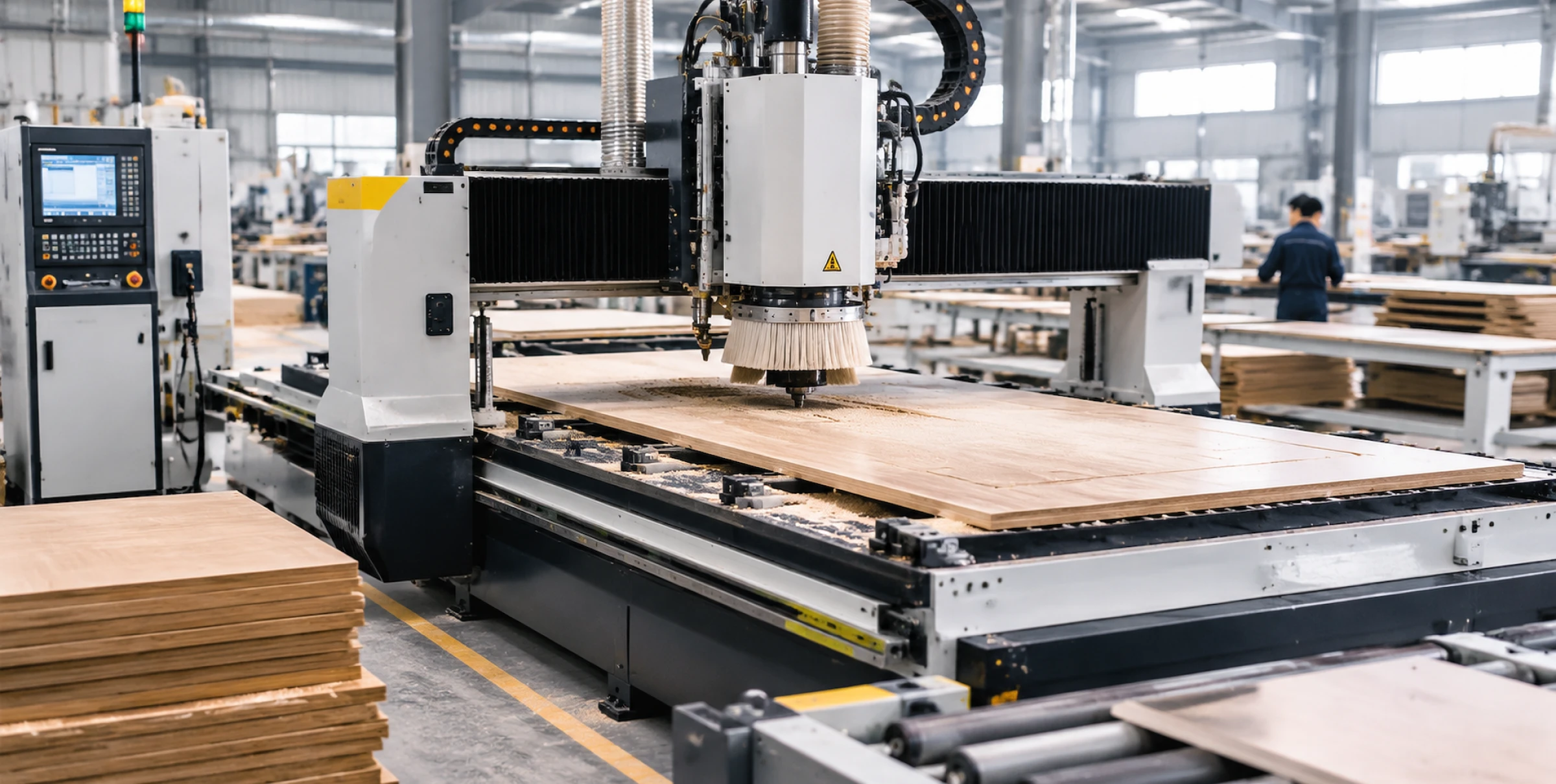
- Precision Tooling and Fabrication: Utilizing advanced CNC machinery and automated stamping presses, we ensure that every component—from the steel frame plates of custom reception desks to the precise hole alignments of executive workstations—maintains microscopic dimensional accuracy.
Scaling Your Brand: White-Labeling and Packaging Integrity
For regional furniture distributors and emerging office brands, maintaining brand equity is paramount. True manufacturing partners do not merely build furniture; they protect your market identity through comprehensive white-label integration.
This includes custom laser-etched branding on aluminum chair bases, bespoke woven labels on upholstery, and specialized, knockdown (KD) export cartons printed with your company logos and barcode specifications. When enterprise buyers look to expand their catalog offerings through wholesale office furniture programs, having an invisible, reliable manufacturing backbone ensures your brand remains the sole focal point for your end clients.
Strategic Advantages of Direct Factory Collaboration
Procuring custom furniture through third-party trading companies or domestic brokers introduces severe communication latency, markup inflation, and a complete lack of transparency regarding material quality.
Collaborating directly with an established manufacturer like Aston Office eliminates these vulnerabilities. Direct factory access guarantees complete material traceability—ensuring your specified E1-grade wood panels, fire-retardant mesh, and genuine top-grain leathers are utilized without substitution. Furthermore, our flexible minimum order quantities (MOQs) allow regional brands to test new custom product lines without immobilizing excessive capital in inventory.
Frequently Asked Questions
What is the difference between OEM and ODM furniture manufacturing?
OEM involves manufacturing products strictly according to your proprietary technical blueprints and designs. ODM involves selecting from our pre-designed, patent-backed product portfolio and customizing the finishes, materials, and branding to suit your regional market requirements.
Can an OEM factory match a specific corporate brand color?
Yes. Commercial-grade manufacturers utilize standardized color-matching systems (such as RAL or Pantone) for metal powder-coating and maintain extensive swatch libraries for wood veneers, high-pressure laminates, and upholstery fabrics to ensure strict brand compliance.
How long does the custom prototyping process take?
Depending on the complexity of the engineering requirements—such as custom mold creation for plastic shells or specialized desking frames—the prototyping and sample validation phase typically ranges from two to four weeks before mass production commences.
What are the benefits of white-labeling office furniture?
White-labeling allows regional distributors and brands to offer an expanded, high-end commercial furniture catalog under their own brand identity, backed by professional factory manufacturing, custom packaging, and verified BIFMA quality standards without investing in heavy industrial plant infrastructure.
