
In the commercial environment, wooden furniture represents a significant capital expenditure. Unlike high-density polyethylene or metal fixtures, wood is a hygroscopic, organic material that reacts dynamically to its environment. Maintaining the aesthetic integrity and structural lifespan of these assets requires a standardized, science-based approach to surface care, environmental control, and damage remediation. For facility managers and corporate procurement officers, implementing a stringent maintenance protocol is essential for protecting the organization’s investment and ensuring a high-end professional appearance in executive spaces.
This comprehensive guide outlines the technical requirements for maintaining commercial-grade wood furniture, differentiating between daily janitorial protocols and long-term restorative care. By standardizing these practices, organizations can extend the lifecycle of their wooden assets by decades, maximizing return on investment and minimizing premature replacement costs.
Material Science: Understanding Commercial Wood Finishes
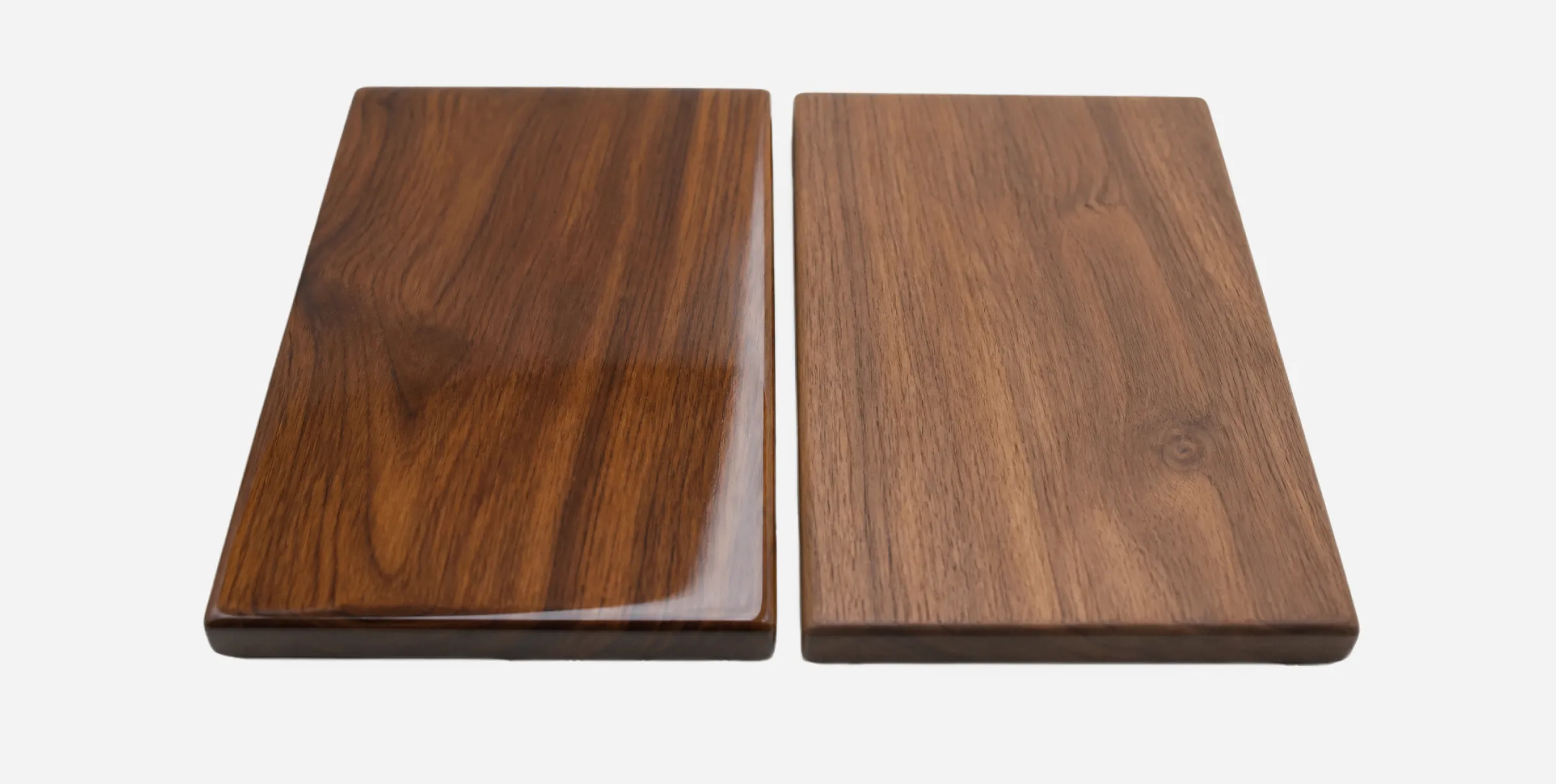
Before implementing a maintenance protocol, facility management must identify the specific finish applied to the furniture. Modern commercial manufacturing utilizes several distinct finishing techniques, each requiring a tailored approach to chemical exposure and physical friction.
Catalyzed Polyurethane and Lacquer Finishes
The vast majority of modern executive office desk installations feature catalyzed polyurethane or high-performance lacquer finishes. These synthetic coatings create a hardened, impermeable barrier over the wood veneer or solid substrate. They are engineered for high-traffic commercial environments, offering superior resistance to mild abrasions and minor liquid spills. Maintenance for these surfaces focuses on preserving the clear coat rather than feeding the underlying wood. Using heavy oils or wax on a polyurethane finish will merely create a sticky, light-refracting film that attracts airborne particulate matter.
Open-Pore and Natural Oil Finishes
Conversely, high-end solid wood furniture, such as a premium director table, may feature open-pore or natural oil and wax finishes. These treatments penetrate the wood fibers rather than sitting on top of them, preserving the tactile grain of the timber. While offering superior aesthetic depth, oil finishes are highly vulnerable to localized dehydration, chemical stripping, and moisture penetration. These desks require periodic re-oiling to maintain their protective barrier and prevent the wood from cracking under low-humidity conditions.
Daily Maintenance Protocols for Corporate Environments
The most common cause of finish degradation in office environments is improper daily cleaning by janitorial staff. Routine maintenance should be non-abrasive and chemically neutral.
Particulate Removal and Microfiber Application
Dust accumulation consists of microscopic silica and dirt particles. When wiped with a dry, coarse cloth or paper towel, these particles act as micro-abrasives, slowly sanding away the desk's clear coat and creating a dull, cloudy appearance over time. To prevent this, standard janitorial protocols for any wooden office desk must mandate the use of slightly damp, high-GSM (grams per square meter) microfiber cloths. The electrostatic properties of microfiber lift and trap particulates without dragging them across the finish.
Chemical Restrictions
Under no circumstances should ammonia-based glass cleaners, bleach solutions, or heavy degreasers be used on wooden office furniture. Ammonia chemically degrades lacquer and polyurethane, causing irreversible clouding (blushing) and brittleness. Daily sanitization should be conducted using a pH-neutral, wood-specific cleaner. Furthermore, commercial furniture polish containing silicone must be strictly banned from the facility. Silicone penetrates the wood grain and creates a permanent barrier that makes future refinishing or touch-up work impossible.
Environmental Controls and Structural Integrity
Because wood is hygroscopic, it constantly absorbs and releases moisture in response to the surrounding atmosphere. Facility-wide environmental controls are just as critical to wood maintenance as surface cleaning.
Relative Humidity (RH) Standardization
Corporate HVAC systems must maintain a consistent Relative Humidity (RH) between 40% and 50%. If the office air becomes too dry (common in winter months with heavy heating), wood will contract. This localized contraction leads to veneer checking, joint separation, and the splitting of solid wood panels. Conversely, an RH above 60% causes wood to expand, potentially warping large surfaces like a long office desk and causing drawer mechanisms to stick. Consistent HVAC zoning is the primary defense against structural wood failure.
Ultraviolet (UV) Light Degradation
Prolonged exposure to direct sunlight triggers a photochemical reaction in both the wood's lignin and the applied finish. Cherry and walnut woods are particularly photosensitive, rapidly changing color (either darkening or bleaching) when exposed to UV radiation. For offices with floor-to-ceiling glass, facility managers must install UV-blocking window films or automated solar shades. Additionally, desk accessories should be rotated periodically during the first year of installation to prevent uneven "shadowing" on the wood surface.
Remediation: Addressing Scratches, Rings, and Wear
Despite stringent preventative measures, physical damage is inevitable in high-paced commercial environments. Standardizing remediation techniques ensures that minor damage does not necessitate full asset replacement.
Thermal and Moisture Rings (Blushing)
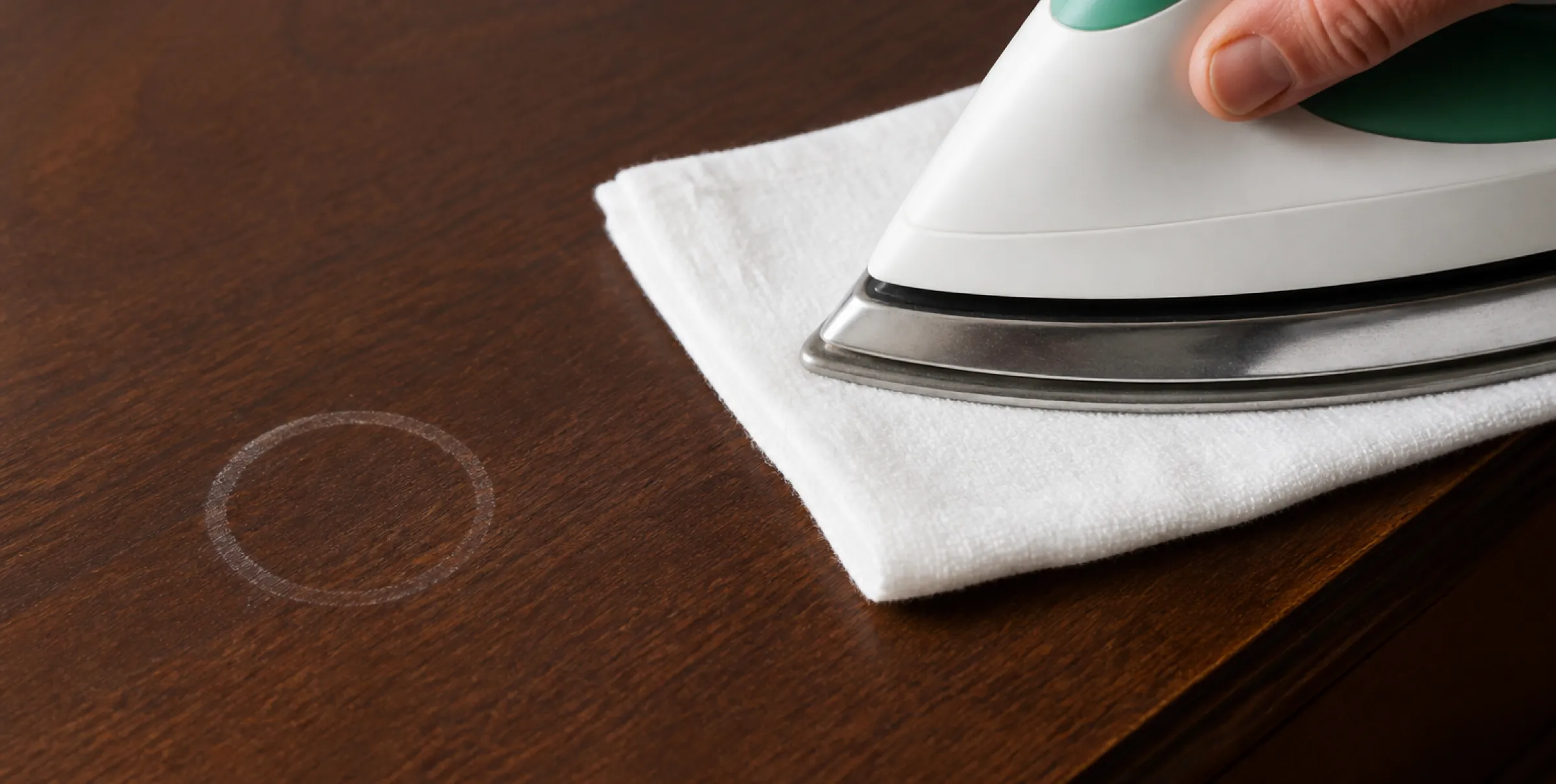
White rings caused by hot coffee cups or condensation from cold beverages indicate that moisture has been trapped beneath the topcoat of the finish, but has not yet penetrated the wood. These can often be remediated using a gentle thermal approach. Applying a clean, dry cotton cloth over the stain and pressing a low-heat iron (no steam) against the cloth for a few seconds can evaporate the trapped moisture, restoring the clear finish.
Abrasion and Gouge Repair
For high-value assets like a modern executive desk, deep scratches that penetrate through the finish and expose the raw wood require immediate attention to prevent moisture ingress. Facility maintenance kits should include hard wax burn-in sticks and specialized touch-up markers color-matched to the corporate furniture standard. The wax is melted into the gouge to physically seal the wood, while the markers replicate the grain pattern. Heavy structural damage requires the intervention of a specialized commercial furniture restorer.
Facility Management: Standardizing Desk Care Accessories
Preventative hardware is a highly cost-effective maintenance strategy. The friction generated by keyboards, computer mice, and heavy binders will inevitably wear through even the toughest polyurethane finish.
Procurement departments should mandate the use of polyurethane or leather desk pads for all wooden workstations. These pads act as a sacrificial layer, absorbing the localized friction of daily tasks. Additionally, all desktop equipment, including monitors, lamps, and organizers, must be equipped with felt or rubberized backing to prevent deep scoring when moved. By integrating these physical barriers into the standard office setup, companies drastically reduce the frequency of necessary surface restorations.
Frequently Asked Questions
Can I use standard sanitizing wipes on a wooden office desk?
No. Standard antibacterial wipes often contain high concentrations of alcohol or bleach. These harsh chemicals will dissolve lacquers, strip natural oils, and rapidly degrade the protective topcoat of wooden furniture, leading to cracking and discoloration. Always use a pH-neutral cleaner specifically formulated for wood.
How do I prevent my solid wood desk from cracking in the winter?
Cracking is caused by rapid dehydration of the wood. Ensure your office HVAC system maintains a Relative Humidity (RH) of at least 40%. For natural oil finishes, apply a commercial-grade wood conditioner or oil before the winter season to seal the wood fibers and reduce moisture loss.
Why is my wood desk changing color?
Wood color changes are primarily caused by Ultraviolet (UV) light degradation and oxidation. Natural woods like cherry darken over time, while walnut tends to lighten. To minimize this, use UV-blocking window treatments and avoid leaving heavy objects (like desk mats or trays) in the exact same position for months at a time, which creates uneven fading.
What is the difference between dusting with a dry cloth and a damp cloth?
A dry cloth pushes abrasive dust particles across the surface, creating micro-scratches that dull the finish over time. A slightly damp microfiber cloth (using water or a neutral cleaner) traps the particulate matter within the fibers, safely lifting it away from the finish without causing abrasion.
How often should commercial wooden furniture be polished?
For modern catalyzed polyurethane or lacquer finishes, polishing is largely unnecessary and can create a sticky buildup; simply keep the surface clean. For open-pore or natural oil finishes, a professional re-oiling or waxing should be scheduled semi-annually (every 6 months) depending on the dryness of the office environment.
How do I remove ink stains from a wooden desk?
Do not use abrasive sponges. For sealed polyurethane finishes, isopropyl alcohol applied lightly to a cotton swab can carefully lift the ink; however, it must be wiped away immediately to prevent softening the finish. If the desk has an unsealed or oil finish, the ink may have penetrated the wood fibers, requiring professional sanding and refinishing.
