
When outfitting a modern corporate environment, commercial office sofas serve a distinct purpose compared to task chairs or workstations. Positioned in reception lobbies, executive lounges, and collaborative breakout zones, lounge furniture acts as the visual handshake of a company. It creates the first impression for visiting clients and high-value talent.
However, residential-grade sofas quickly collapse under the physical demands of high-traffic commercial spaces. Sagging cushions, stained upholstery, and warped wooden joints hurt a business's image and force early replacements. For B2B procurement managers, interior contract furniture buyers, and wholesale distributors, specifying the right inner framework and fabric rating is essential to safeguard your interior project budget.
The Anatomy of a Long-Lasting Commercial Sofa Frame
The lifespan of a commercial lounge sofa depends heavily on its hidden inner framework. While home furniture often uses cheap particleboard or stapled plywood, commercial contract furniture requires heavy-duty engineering.
● Kiln-Dried Hardwood Construction: Look for inner frames built from kiln-dried hardwoods like larch, beech, or ash, reinforced with thick multi-layer birch plywood. The kiln-drying process removes moisture down to a controlled 8–12%. This prevents the wood from warping, twisting, or splitting during seasonal temperature fluctuations inside air-conditioned office towers.
● Reinforced Joinery: Avoid frames held together only with glue and standard nails. High-use office sofas must feature corner-blocked joints that are double-doweled, glued, and secured with heavy-duty wood screws. This rigid setup prevents the frame from wobbling when users sit on the armrests or lean back heavily.
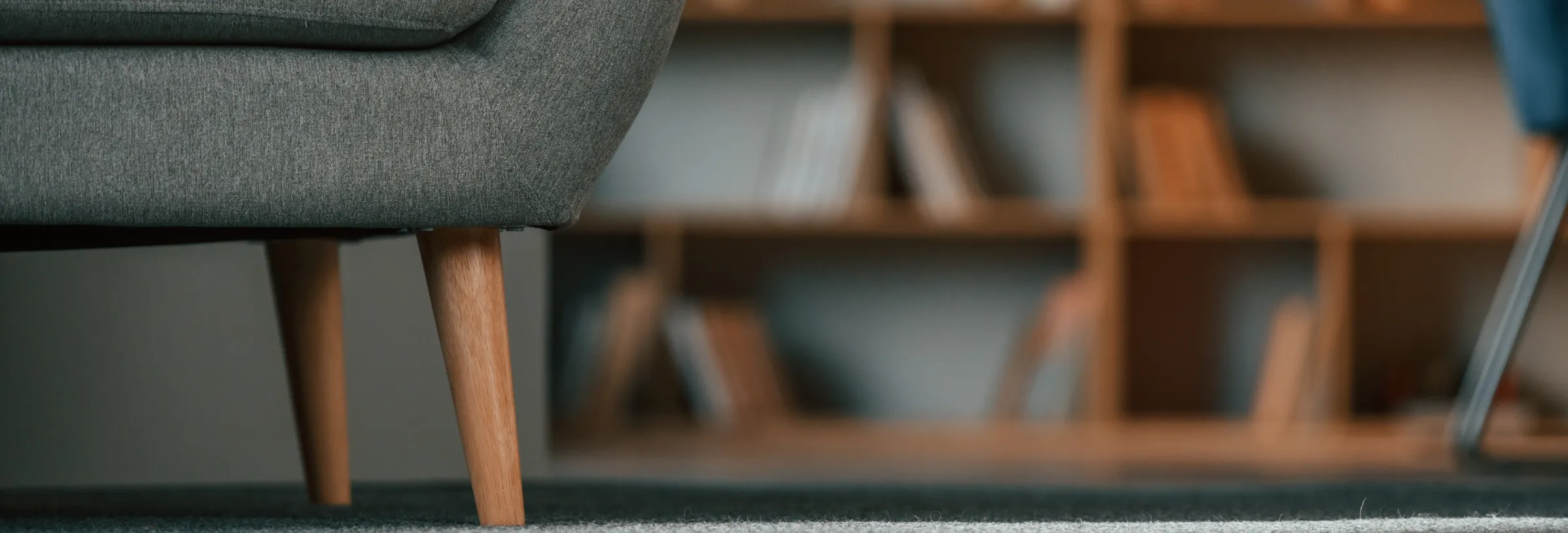
● Structural Support Bases: For modern minimalist aesthetics, specify heavy-gauge steel or die-cast aluminum legs welded directly to an integrated metal sub-frame. If wood legs are chosen for executive suites, they must be integrated straight into the core frame structure rather than screwed into the bottom face as an afterthought.
Fabric Specifications: Navigating the Wyzenbeek and Martindale Ratings
You cannot judge a fabric's durability simply by its thickness or touch. B2B buyers must ask suppliers for certified double-rub test sheets to verify how the upholstery holds up against friction.
Professional commercial furniture sourcing relies on two primary international testing systems:
Martindale Method (Europe/International): A circular rubbing action testing fabric endurance.
Wyzenbeek Method (North America): A back-and-forth oscillating rub against cotton duck or wire mesh.
| Application Zone | Expected Traffic Level | Minimum Martindale Score | Minimum Wyzenbeek Score | Recommended Material Type |
| Private Executive Suites | Low to Medium | 20,000+ Cycles | 30,000+ Double Rubs | Top-grain genuine leather or premium aniline leather. |
| Corporate Meeting Rooms | Medium to High | 40,000+ Cycles | 50,000+ Double Rubs | High-density wool blends or heavy-duty synthetic weaves. |
| Main Lobbies & Breakout Hubs | Intense Heavy-Duty | 60,000+ to 100,000+ Cycles | 100,000+ Double Rubs | Fire-retardant PU leather, stain-resistant performance fabrics (Crypton/Nanotex). |
Sourcing Tip for Common Areas
For main building reception zones, select high-grade polyurethane (PU) leather or performance microfiber fabrics treated with oil-and-water repellent coatings. These materials allow maintenance crews to easily wipe away coffee spills, ink marks, and dirt without requiring specialized deep-cleaning machinery. 
Foam Density and Cushion Resilience Systems
A common failure in cheap office sofas is the "sinking effect"—where the seat cushions permanently deform after a few months of use. To prevent this, check the inner support specifications:
● Molded High-Density Foam: Insist on seat cushions constructed from high-density, high-resiliency (HR) polyurethane foam with a minimum density rating of 35kg/m³ to 45kg/m³. This firm base material distributes body weight evenly and snaps back to its original shape immediately when a person stands up.
● Sinuous Spring vs. Elastic Webbing: Lower-grade seating options rely solely on elastic webbing bands that stretch out over time. Heavy-use commercial sofas should use Sinuous Wire Springs (S-springs) made from 8-gauge carbon steel, coupled with intersecting woven nylon webbing. This hybrid support deck prevents sagging and stops the foam cushion from pushing through the bottom of the sofa frame.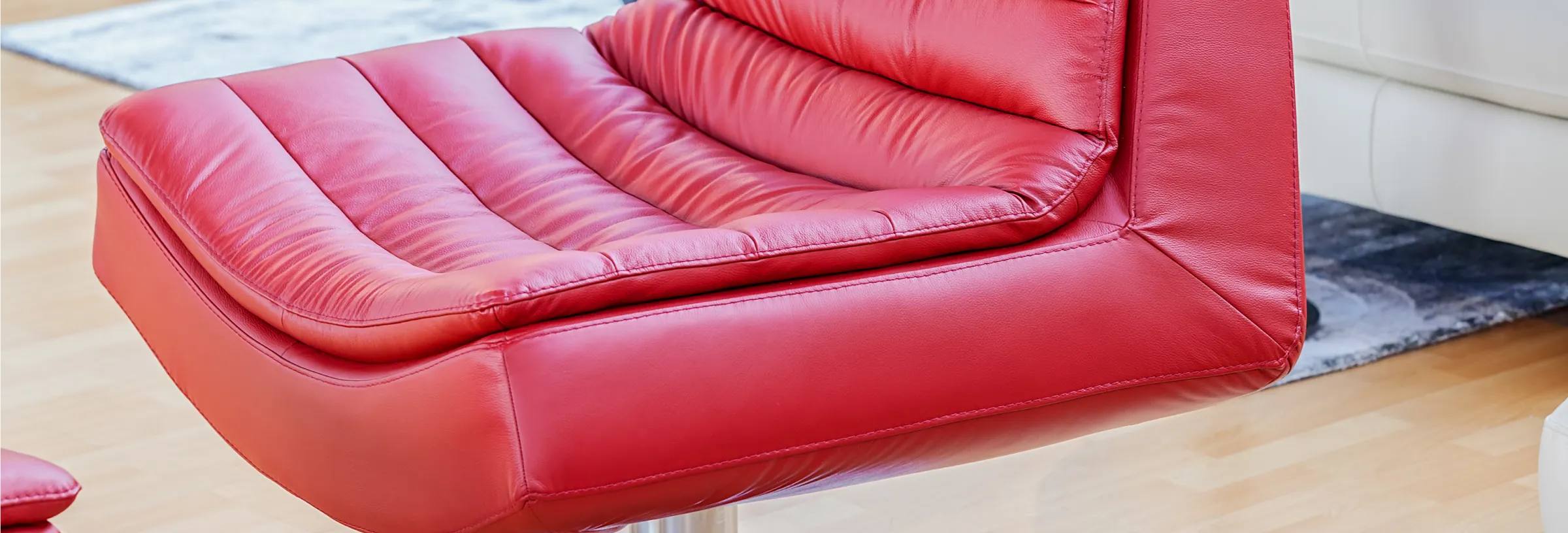
Multi-Zone Material Alignment Guide for Corporate Layouts
To help optimize project budgeting and maintain cohesive design flow throughout a commercial facility, project managers should align sofa specifications with the specific requirements of each functional zone.
[Reception Lobbies] ➔ Maximize Double-Rub Fabrics + High-Density Foam Base (Intense Traffic)
[Executive C-Suites] ➔ Top-Grain Genuine Leather + Polished Metal Accents (Prestige & Image)
[Open Breakout Pods] ➔ Modular Configuration + Acoustic Fabrics + Polypropylene Accent Seating
When outfitting a complete building, smart buyers mix and match item categories. Combining large breakout office sofas, sleek managerial leather office chairs, standard ergonomic task chairs, and lightweight PP chairs into a single factory order reduces total project logistics costs and keeps color tones consistent across different rooms. 
Frequently Asked Questions
What is a good rub count for a commercial office sofa?
For general commercial projects, a minimum rub count of 50,000 double rubs (Wyzenbeek method) or 40,000 rubs (Martindale method) is recommended. For main building lobbies, high-traffic airport lounges, or public waiting areas, you should specify heavy-duty performance fabrics rated at 100,000+ double rubs to prevent premature fabric thinning and tearing.
How do you clean and maintain a leather office sofa in a high-traffic area?
Commercial genuine leather and commercial-grade PU leather sofas should be wiped down weekly using a soft microfiber cloth slightly dampened with warm water. Avoid using harsh chemical solvents, bleach, or alcohol-based cleaners, as these strip the protective factory coating, causing the leather to crack and peel over time.
What flame retardant certifications are required for contract office seating?
Depending on your project's local building codes, commercial seating often must comply with fire safety standards such as CAL 133 (California Technical Bulletin 133) in North America, or BS 5852 (Source 5) in the UK and European contract markets. Always request certified laboratory fire test reports from your furniture manufacturer before finalizing a project order.
