
How much office space do I need? Data-driven planning guide for modern enterprises
Determining "how much office space do I need" is one of the most critical decisions for a growing company. If you plan wrongly, you will face crowded productivity, wasted operating costs, or an office environment that does not match the space. This comprehensive guide provides you with a data-driven framework for calculating the ideal square foot. We'll explore industry benchmarks, provide precise formulas for workspace planning, and show how office furniture choices-from ergonomical mesh desk chair (linked to mesh chair) to modular workstation-can significantly optimize your layout. Whether you are an expanding startup or an established company rethinking office design, this guide will provide you with the knowledge to plan a space that balances efficiency, employee well-being and future development.
Establishing Benchmarks-Industry Standards and Norms
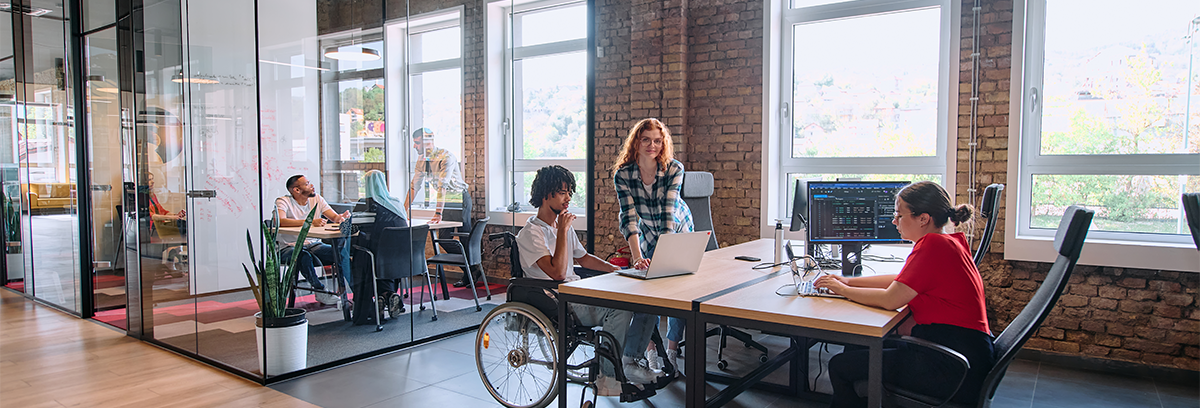
Before starting calculations, understand the general benchmarks. In modern times, office space per capita has been reduced from 250+ square feet to a more compact range and is deeply influenced by layout and functionality.
· Traditional closed office layout: 150-250 square feet per person. Includes a private office, dedicated storage space and spacious circulation space.
· Open flat workstation: 80-150 square feet per person. This is the most common area of modular office furniture row systems and compartments.
· Activity-based work model (ABW): 60-100 square feet per person. This model assumes that employees use non-fixed work spaces (focus compartments, collaboration areas) and require less dedicated personal space.
· Datong warehouse style (dense open plan): can be as low as 40-70 square feet per person. Used on sales floors or call centers with minimum personal storage space.
Key points: These are the starting points. Your final number must take into account your specific office furniture footprint, collaboration needs and corporate culture.

Core Calculation-Step-by-step Formula for Total Square Feet
Follow this formula to transition from per capita estimate to aggregate demand. You will need current and projected employee numbers.
Step 1: Calculate the usable square feet (USF) for the workstation.
(Number of employees) x (square feet per capita selected from baseline) = Subtotal A
Step 2: Calculate space for sharing and supporting functions.
This is usually expressed as a percentage of workstation USF. Allocate space for:
· Conference rooms and tables: 15-25% of USF.
· Collaboration spaces and office sofa/lounge areas: 10-20% of USF.
· Front desk and lobby area (including reception desk): 5-10% of USF.
· Support space (kitchen, print station, office furniture storage): 15-20% of USF.
· Circulation space (aisles, aisles between desks): 20-30% of USF. This is crucial and often underestimated.
(Subtotal A) x (Total percentage of shared/supported/circulated space) = Subtotal B
Step 3: Find the total usable square feet (USF).
Subtotal A + Subtotal B = Total USF
Step 4: Convert to rentable square feet (RSF).
USF is the space you occupy. The RSF includes the common areas of the building (lobby, toilet, elevator shaft). The conversion uses a load factor (or core factor), which is usually between 1.15 and 1.25.
Total USF x load factor (for example, 1.2)= Total RSF (your target rental area).
Optimization through smart furniture and layout selection
Your choice of contemporary office furniture (linked to catalog) is a lever to fine-tune your space needs.
· The power of modular office furniture: reconfigurable modular workstations and office furniture sets allow you to adjust density without having to decorate. They are the engine of flexible office design.
· Vertical storage solution: Replace bulky filing cabinets with tall, slender office storage units and shelves. This frees up floor space.
· Choose space-saving furniture: L-shaped desks often provide more corner surface area than rectangular desks that stretch into the room. Mobile buckets and nested tables provide flexibility.
· Ergonomics and density: Choose an ergonomic office chair with a small footprint and an adjustable height desk with a slim outline to achieve a more compact but still comfortable spacing between employees.
· Multi-functional space: Choose office sofas and modular seats to define informal meeting areas during the day and can also be used as backup working space when needed.

Future-oriented planning-Built-in extensibility from the beginning
Your space must adapt to development. Here's how to build scalability into your plan:
· 3-5 Annual headcount forecast: Always calculate space requirements based on expected headcount in 3-5 years, rather than current numbers. This avoids costly relocation in the short term.
· Phased furniture procurement: Work with office furniture suppliers that allow you to buy the basic system now and guarantee that you can add the same modular office furniture later. This ensures aesthetic and functional consistency.
· Design "soft" spaces: Plan areas that are easy to convert. Training areas with light furniture can be transformed into future team groups.
· Negotiate expansion rights: When leasing, strive for preferential lease rights or clear expansion terms for adjacent spaces.

Avoiding costly mistakes-common pitfalls in spatial planning
1: Ignore load factor. Signing leases thinking USF is RSF can result in space being 15-25% less than needed.
2: Uncounting collaboration space. In today's workplace, insufficient space allocated to conference room tables and chairs weakens teamwork.
3: Sacrifice functionality for density. Stuffing too many executive office desks of inconsistent size by using sub-standard furniture that only meets space needs can lead to poor ergonomics, high flow rates, and low morale.
4: Forget technology and storage. Failure to allocate space for server racks, wiring, and office storage results in cluttered and inefficient work spaces.
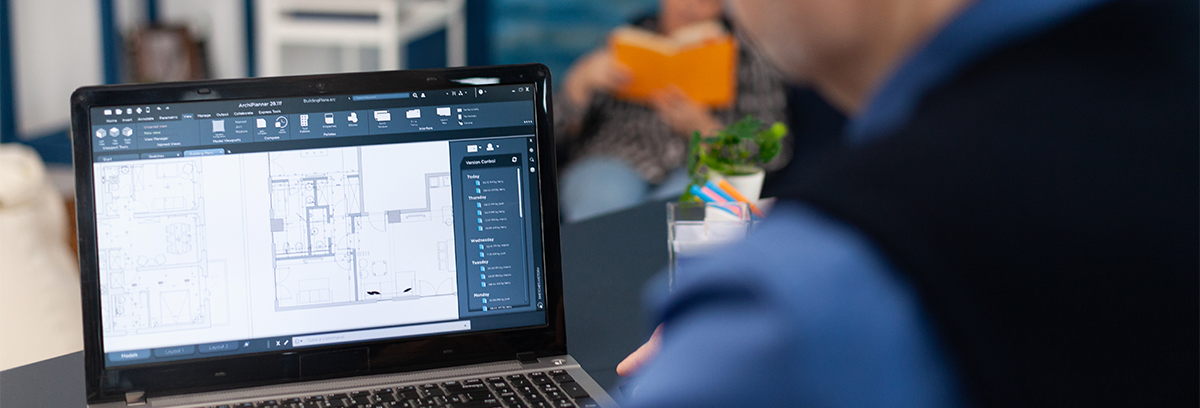
5: Conduct it alone without professional knowledge. For complex office decoration or relocation projects, you will benefit a lot if designers, space planners or experienced office furniture manufacturers can provide advice and conduct detailed CAD planning.
Manufacturer's perspective: Aston's perspective on efficient space planning
As an office furniture manufacturer, we not only sell products; we also provide one-stop office furniture solutions. Our design team can create custom office furniture plans that maximize your square feet. For example, we can design desks with integrated storage, or workstation systems with optimal screen heights to ensure privacy without sacrificing openness. Our cost-effective and multi-style ergonomic office chairs can also be adapted to most office designs, and our 3-year warranty saves you subsequent worries.

Conclusion: Use office space as the core of the underlying design
"How much office space do I need" is a core question that directly affects your employee morale and corporate culture. By using the formula in this guide, I hope it can effectively help you resolve your doubts. If you need more targeted suggestions, you can contact us to obtain a professional designer's solution.