
For decades, the primary metric for office space was simple: density. How many desks can we fit into a floor plate? How low can the cost per seat be? This industrial-era mindset governed corporate procurement for a long time. However, in 2026, the paradigm has shifted. Companies now recognize that the office is not just a place where work happens—it is a critical tool for performance, retention, and employee health.
If your organization is currently planning a workspace upgrade, the focus must move from merely providing equipment to optimizing the human experience. This guide examines how you can integrate well-being into your procurement strategy.
The Shift: Why "Filling the Space" is No Longer Enough
When an office environment causes physical fatigue, mental fog, or social isolation, productivity plummets. This is not anecdotal; it is a measurable business risk. A workplace designed without human-centric principles ignores the biology of the user.
"Human-centric design" in an office context means building an environment that supports the natural workflow and physiological needs of a human being, not one that forces the human to adapt to the furniture. When we look at furniture procurement today, we have to ask: does this desk layout support collaboration, or does it stifle it? Does this chair support the spine, or does it encourage poor posture over eight hours?
Ergonomics as the Foundation of Wellness
The most common mistake in office furniture procurement is confusing "office-style" furniture with "ergonomic" furniture. A chair may look professional, but if it lacks dynamic support, it is a liability.
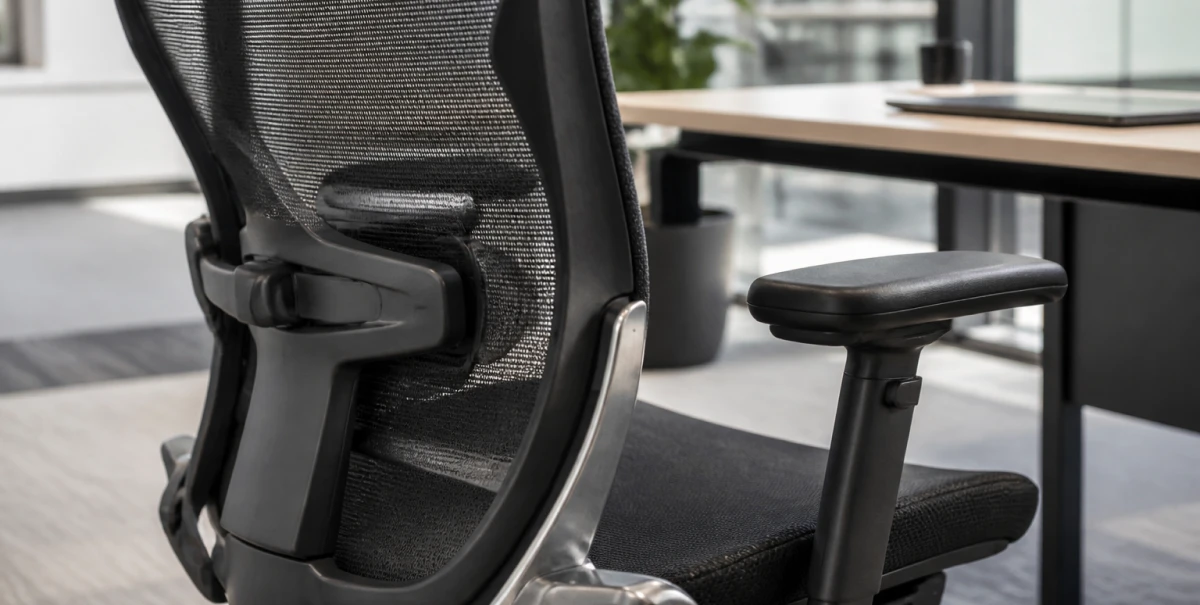
True ergonomics is about active support. Modern employees are not stationary; they lean forward to type, recline to review documents, and turn to engage with colleagues. A static chair cannot accommodate these shifts. We recommend investing in ergonomic mesh office chairs that feature adjustable lumbar support, seat depth modulation, and tension-sensitive recline mechanisms.
These chairs are not luxury items; they are preventative health tools. By reducing the physical strain on the musculoskeletal system, you decrease absenteeism related to back pain and neck strain. For a procurement manager, the ROI is simple: the cost of a high-quality ergonomic chair is a fraction of the cost of long-term employee health issues.
The "Third Space": Why Office Sofas Matter
The office floor plan has evolved into a landscape of "zones." We have the focus zone (desks), the meeting zone (conference rooms), and now, the third space. This third space is where the culture happens. It is where a quick five-minute brainstorm occurs or where an employee takes a moment to reset.
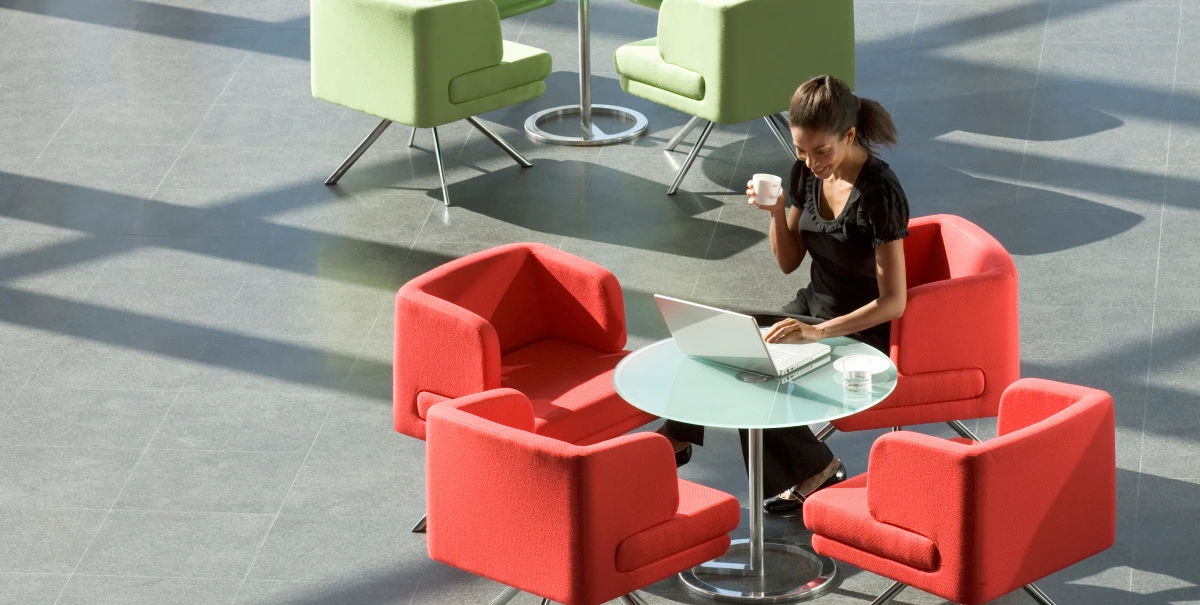
Integrating office sofas into your floor plan is the most effective way to foster this third space. Unlike the rigid structure of a desk and chair, soft seating signals to the brain that it is safe to shift gears. It promotes informal collaboration, which is often where the most significant innovations occur.
When sourcing soft seating, prioritize modularity and durability. You need upholstery that can withstand the rigors of a commercial environment, not delicate residential fabrics. Look for commercial-grade textiles that are easy to sanitize and maintain.
First Impressions: Reception and Arrival Psychology
The psychological journey of an employee or a client begins the moment they step out of the elevator. The reception area is the psychological "handshake" of your company. A cluttered, uncomfortable waiting area creates an immediate sense of chaos.
Conversely, a thoughtfully designed reception space, equipped with reception chairs that offer proper support and an inviting aesthetic, sets a tone of professionalism and care. It tells your team and your visitors that you value their experience. When selecting furniture for this area, do not compromise on comfort. Even if a visitor is only there for fifteen minutes, the quality of their seating influences their perception of your corporate brand.
Designing for Sensory Comfort: Light, Texture, and Materials
Beyond furniture pieces, the "feel" of an office relies on sensory inputs. Human-centric design considers how surfaces feel to the touch and how they reflect light.
Material Texture: Avoid cold, sterile metal surfaces in areas where employees spend most of their time. Incorporate fabric, mesh, and warm wood tones to create a tactile environment that feels more natural and less like a laboratory.
Acoustic Control: Open offices are notorious for noise pollution, which is a major barrier to well-being. Use furniture arrangements to break up sound waves. Tall storage units, plants, and upholstered panels can act as acoustic buffers without the need for permanent wall construction.
Flexibility: A static office is a dying office. If your team structure changes, your furniture must change with it. Prioritize systems that can be easily rearranged, such as desks on casters or modular seating clusters.
Procurement Strategy: How to Buy for People
If you are managing the furniture procurement process, you need a different scorecard than the one used five years ago. Move beyond comparing unit prices. Use this hierarchy of needs:
Safety and Compliance: Does it meet industry standards for fire safety, weight limits, and material toxicity?
Adjustability: Can the user change this product to fit their body or their task?
Durability: Will it survive three years of heavy usage?
Aesthetics: Does it fit the brand identity?
When you buy office furniture for a large team, it is easy to default to the lowest price. However, wholesale office chairs that lack the necessary ergonomic certifications will cost you more in the long run through decreased employee morale and increased maintenance needs. Always ask for technical specifications before you approve a purchase order.
Building a Culture of Care
Investing in human-centric office design is a signal. It communicates to your workforce that you understand the reality of their work life. When a company provides the tools for comfort and productivity, it fosters a culture of mutual respect.
The goal is not to create an office that feels like a playground. The goal is to create a professional environment where the physical and mental friction of work is minimized. By removing the obstacles created by poor design—like chairs that hurt, layouts that isolate, or spaces that feel unwelcoming—you clear the path for your team to perform at their best.
FAQ
Q: What is "human-centric design" in the context of office furniture?
A: Human-centric design is an approach that prioritizes the physiological and psychological needs of the user. Instead of forcing employees to adapt to rigid, static, or uncomfortable furniture, this approach selects equipment (like ergonomic chairs and modular sofas) that adapts to the human body and promotes comfort, movement, and cognitive performance.
Q: Why are office sofas considered a "third space" tool?
A: Office sofas provide a psychological buffer zone between high-intensity focused work (at the desk) and collaborative work (in meeting rooms). They facilitate informal communication and mental resetting, which is vital for maintaining sustained focus and creativity throughout the workday. They are essential for breaking up the rigidity of the traditional corporate layout.
Q: Is there a difference between "ergonomic-looking" chairs and actually ergonomic ones?
A: Yes, a significant one. Many chairs are designed to look "modern" but lack the mechanical features required for true ergonomics. A genuinely ergonomic chair must have adjustable lumbar support, seat depth modulation, and dynamic recline mechanisms. Always check for commercial-grade testing certifications (such as BIFMA) to ensure the chair is designed for 8+ hours of healthy usage.
Q: How does office furniture affect sensory comfort?
A: Furniture affects sensory comfort through texture, acoustic buffering, and layout. Soft textures like mesh or fabric reduce the "sterile" feeling of offices. Strategic placement of furniture can dampen sound waves, reducing acoustic stress. Additionally, modular furniture allows for layouts that prevent overcrowding, which is a common sensory stressor in open-plan offices.
Q: Should I prioritize aesthetics or comfort when buying furniture for my team?
A: Prioritize comfort and function first. Aesthetics are important for brand identity, but an office that is beautiful but uncomfortable will fail in the long run. If your team is in pain or cannot collaborate efficiently, the visual appeal of the office will not compensate for the productivity loss. Aim for a balance where the functional, ergonomic choice is also visually cohesive with your brand.
Q: How can I optimize my budget when buying ergonomic furniture for a large team?
A: Focus on "Total Cost of Ownership" (TCO) rather than the initial unit price. Investing in durable, high-quality ergonomic furniture reduces the need for repairs, replacement, and healthcare-related costs associated with workplace injuries. If you are buying in bulk, work with a supplier who provides clear durability data and long-term warranties to ensure your investment lasts for years.
