
Plastic chairs are everywhere — in offices, schools, cafeterias, libraries, outdoor patios, and event venues across the globe. They are lightweight, affordable, stackable, and available in virtually any color. But few buyers ever stop to ask: how is a plastic chair made? What happens between the raw material stage and the finished product sitting in your conference room or campus dining hall?
Understanding the manufacturing process matters, especially if you are a distributor, project contractor, or facility manager sourcing PP chairs in bulk. The production methods, material choices, and quality control steps directly affect the chair's durability, safety rating, color consistency, and long-term value. A chair that looks identical on the surface can perform very differently depending on how it was manufactured.
This guide walks you through every stage of plastic chair production — from raw polypropylene resin to the finished, packaged product ready for shipment. We will cover material science, injection molding mechanics, frame construction, assembly, testing protocols, and the design decisions that separate a commercial-grade polypropylene chair from a disposable one. Whether you are evaluating manufacturers or simply curious about industrial processes, this article gives you the full picture.
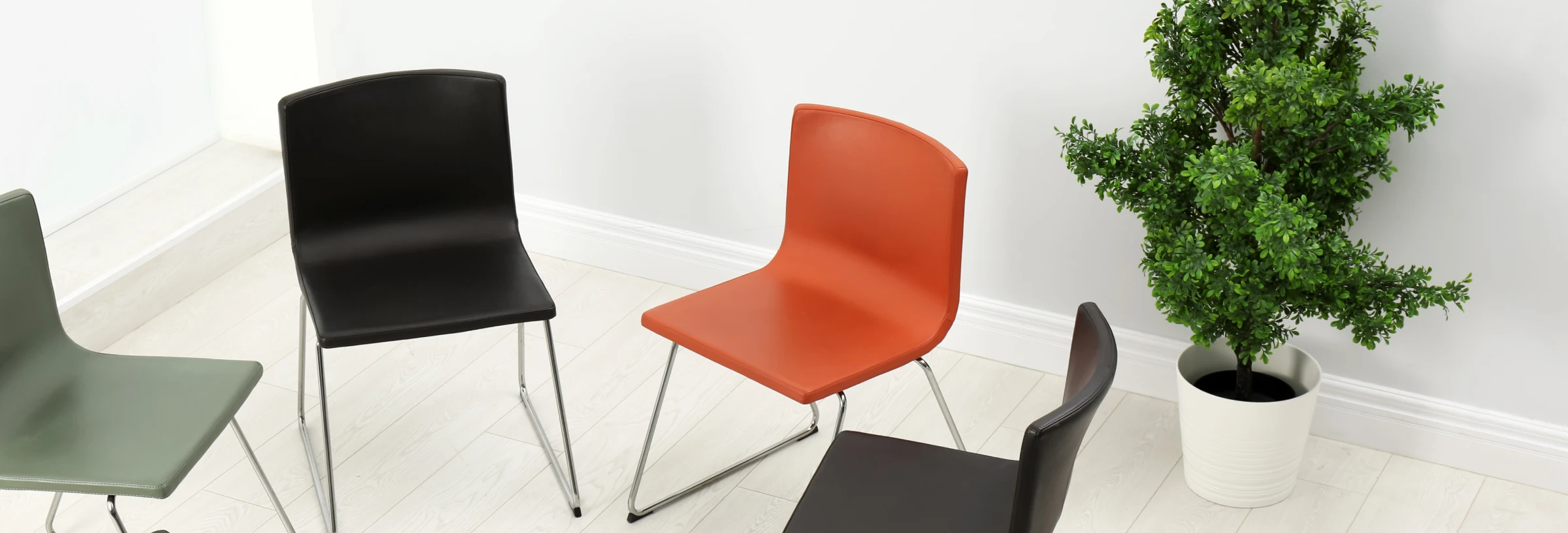
Raw Material: What Makes a Polypropylene Chair Different from Other Plastic Seating
The manufacturing process begins long before any mold is opened. It starts with selecting the right raw material — and for commercial-grade plastic chairs, that material is almost always polypropylene, commonly abbreviated as PP.
Polypropylene is a thermoplastic polymer that belongs to the polyolefin family. It is produced through the polymerization of propylene monomers, resulting in a semi-crystalline material that offers a unique combination of properties ideal for seating applications. Compared to other common plastics used in furniture — such as polyethylene (PE), polycarbonate (PC), ABS, or PVC — polypropylene provides the best balance of strength, weight, chemical resistance, and cost for chair manufacturing.
Here is why PP is the preferred material for commercial plastic chairs:
High flexural strength: Polypropylene can bend repeatedly without breaking, which is critical for chair backrests that flex under user weight. This fatigue resistance is what allows a PP chair to survive years of daily use in a school or office without cracking at stress points.
Low density: PP has a density of approximately 0.90–0.91 g/cm³, making it the lightest of all commodity thermoplastics. This translates directly into chairs that are easy to carry, stack, and rearrange — a practical advantage in training rooms, event spaces, and cafeterias where furniture is moved frequently.
Chemical and moisture resistance: Polypropylene does not absorb water and resists most acids, alkalis, and solvents. This makes PP chairs suitable for outdoor use, food service environments, and spaces that require frequent cleaning with commercial disinfectants.
Heat resistance: PP has a melting point of approximately 160°C (320°F), which is higher than polyethylene. This means PP chair shells maintain their structural integrity in hot environments — warehouses, outdoor venues, or sun-exposed patios — where cheaper plastics would soften and deform.
Recyclability: Polypropylene is classified as recycling code #5 and is widely accepted by recycling facilities. For manufacturers and buyers with sustainability goals, PP chairs offer a clear end-of-life recycling pathway.
In commercial chair manufacturing, the PP resin is typically enhanced with additives before molding. UV stabilizers are mixed into the resin to prevent color fading and surface degradation from sunlight exposure. Fiber reinforcements — most commonly glass fiber or PP+ fiber — are added to increase rigidity and load-bearing capacity. Fire-retardant additives ensure the finished chair meets building safety codes for public spaces. Colorant masterbatches are blended in to achieve consistent, through-body color that does not chip or peel like surface paint.
The quality of the raw PP resin is the single most important factor in the finished chair's performance. Virgin (new) polypropylene produces chairs with consistent mechanical properties and color. Recycled PP can be blended in at controlled ratios to reduce cost and environmental impact, but the percentage must be carefully managed — too much recycled content degrades impact strength and can introduce color inconsistencies. Reputable manufacturers like Aston use virgin PP+ fiber material for their polypropylene chairs to ensure structural stability and pass 120kg backrest tension testing on every unit.

Injection Molding: How the Plastic Chair Shell Is Formed
Once the PP resin compound is prepared — with all additives, colorants, and reinforcements pre-blended — it moves to the injection molding stage. This is the core manufacturing process that transforms raw plastic pellets into a finished chair shell in a single, continuous cycle.
Injection molding is a high-pressure, high-temperature process that works as follows:
Step 1 — Plasticization: The PP pellets are fed from a hopper into the barrel of an injection molding machine. Inside the barrel, a rotating screw pushes the pellets forward while electric heater bands raise the temperature to 200–260°C, melting the polypropylene into a homogeneous molten state. The screw's rotation also shears and mixes the material, ensuring that fiber reinforcements and color additives are evenly distributed throughout the melt.
Step 2 — Injection: Once a sufficient volume of molten PP has accumulated at the front of the barrel (called the "shot"), the screw drives forward hydraulically, injecting the melt into a steel mold cavity at pressures typically ranging from 800 to 1,500 bar. The mold is a precision-engineered steel tool that contains the negative shape of the chair shell — every curve, texture, thickness variation, and mounting hole is machined into the mold with tolerances measured in hundredths of a millimeter.
Step 3 — Packing and cooling: After the mold cavity is filled, additional pressure (called packing pressure) is maintained to compensate for the volumetric shrinkage that occurs as the plastic cools and solidifies. Cooling channels machined into the mold circulate chilled water to extract heat from the part. The cooling phase typically accounts for 60–80% of the total cycle time and is the most critical phase for dimensional accuracy and surface quality. Uneven cooling causes warping, sink marks, and internal stresses that weaken the chair.
Step 4 — Ejection: Once the part has cooled and solidified sufficiently, the mold opens and ejector pins push the finished chair shell out of the mold cavity. The shell is immediately inspected for common defects: short shots (incomplete fill), flash (excess material at the mold parting line), burn marks (from trapped air), and surface blemishes.
The entire cycle — from pellet feed to ejected part — takes approximately 30 to 90 seconds depending on the chair shell's size and wall thickness. A large industrial injection molding machine running 24 hours can produce 400 to 1,000 chair shells per day from a single mold.
The mold itself is the most expensive single component in the entire production process. A precision steel mold for a commercial PP chair shell can cost $30,000 to $150,000 or more depending on complexity, number of cavities, surface texture requirements, and expected production volume. This upfront tooling investment is why injection-molded plastic chairs achieve their low per-unit cost only at high production volumes — the mold cost is amortized across hundreds of thousands of units over its service life.
One critical design feature in quality PP chair molds is uniform wall thickness. The best chair molds maintain consistent wall thickness throughout the shell — typically 3 to 5 mm for commercial seating — to ensure even cooling, minimize warpage, and distribute load forces uniformly when the chair is in use. Cheaper molds with inconsistent wall thickness produce chairs that may look fine visually but develop stress cracks at thin spots after a few months of commercial use.
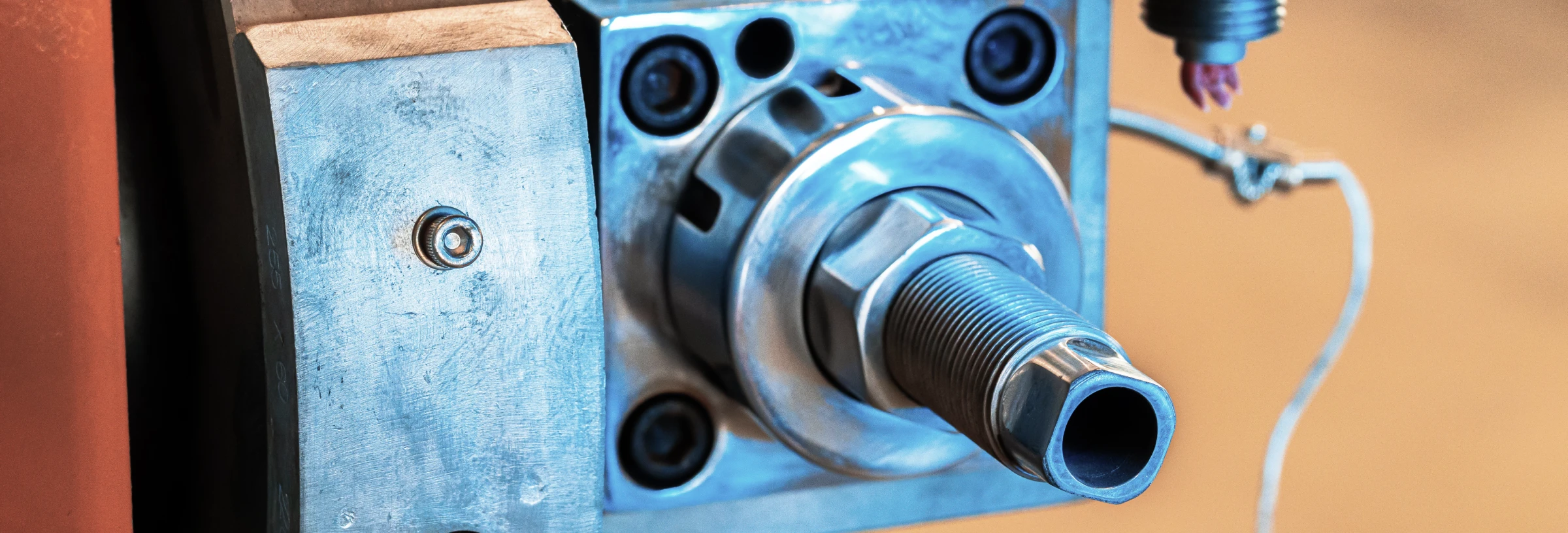
Steel Frame Fabrication: Building the Skeleton of a Polypropylene Seat
While the PP shell gives the chair its shape, color, and seating surface, most commercial polypropylene seats rely on a steel tube frame for structural support. The frame is what determines the chair's load capacity, stability, stackability, and longevity in demanding environments.
Frame fabrication is a separate production line that runs parallel to the injection molding process. Here is how it works:
Tube cutting: The process starts with steel round tubing — typically Φ16×T2.0mm for standard-duty chairs or Φ19×T1.5mm for heavy-duty and training chair models. The tubing is cut to precise lengths using automated CNC tube cutting machines that ensure consistent dimensions across every frame in the production run.
Tube bending: The cut tubes are fed into CNC tube bending machines that form the curves and angles required by the frame design. Sled-base frames, four-leg frames, cantilever C-frames, and caster-equipped training chair bases each require different bending sequences and radii. The bending process must be precisely controlled to avoid kinking, wrinkling, or thinning the tube walls at bend points — any of these defects would compromise the frame's load rating.
Welding: The bent frame components are assembled and welded together using high-precision robotic MIG welding or mechanical arm automatic welding. Robotic welding ensures consistent weld penetration, bead appearance, and joint strength across every frame. After welding, each frame is inspected for weld completeness and structural integrity.
Surface treatment: The welded frames go through a multi-stage surface treatment process. First, the frames are degreased to remove cutting oils and handling residue. Then they undergo a rust removal treatment — either chemical phosphating or mechanical abrasion. Finally, the frames are coated using electrostatic powder coating, where dry paint powder is sprayed onto the grounded metal frame and then cured in an oven at approximately 220°C. This high-temperature baking process melts the powder into a continuous, durable film that is significantly more scratch-resistant and corrosion-resistant than liquid paint.
Standard frame finish colors for commercial PP chairs are white and chrome (electroplated). Some models also offer grey, black, and wood-tone painted finishes. The powder coating thickness is typically 60–80 microns, providing a smooth, even surface that resists chipping under normal commercial use conditions.
The frame design also determines what accessories and configurations the chair can support. For example, training chair frames include mounting points for flip-up writing tablets, under-seat book baskets, and linking mechanisms that allow chairs to be connected in rows for auditorium-style seating. Cafeteria frames may integrate fixed table surfaces with the seating structure. Caster-equipped frames add mobility for flexible room layouts in training and conference environments.

Assembly and Upholstery: Bringing the Plastic Seat Together
With the injection-molded PP shell and the powder-coated steel frame both completed, the two components come together on the assembly line. This stage also includes optional upholstery work for cushioned chair versions.
Shell-to-frame attachment: The PP shell is mounted onto the steel frame using a combination of mechanical fasteners (screws and bolts) and plastic clip connections. The mounting points are pre-molded into the shell during injection molding, ensuring precise alignment with the frame's attachment hardware. Some designs use press-fit plastic bushings that snap into the frame tubes, securing the shell without visible fasteners for a cleaner appearance.
Optional seat cushion: For environments where extended seating comfort is required — such as meeting rooms, training centers, and reception areas — a cushioned version of the plastic chair is produced. The cushion assembly process involves cutting high-resilience foam to the seat shape using die-cut machines, then wrapping the foam with a cotton-velvet stretch fabric cover. The upholstered cushion pad is then fitted into the PP shell's seat recess and secured with clips or adhesive. This modular approach allows the same base chair to be offered in both hard-shell and cushioned versions, giving buyers flexibility across different spaces within the same building.
Writing tablet installation (for training chairs): Models designed for educational and training environments include a flip-up writing tablet mounted on an aluminum alloy rotating mechanism. The tablet — typically made from 12mm nylon material rated for 35kg load capacity — is attached to the chair's armrest bracket and can rotate 360 degrees and fold flat when not in use. The mechanism also includes a pen groove and water cup holder integrated into the tablet surface.
Accessory attachment: Depending on the specific model configuration, additional components may be installed during assembly. These include under-seat wire book baskets (constructed from Φ14mm round tubing with plastic fittings), plastic or rubber foot caps, floor glides, non-slip pads, and caster wheels. Each accessory is designed to snap or bolt onto the frame without requiring tools for installation, simplifying both factory assembly and end-user setup.
After assembly, every chair passes through a visual inspection station where workers check for correct component alignment, fastener tightness, smooth operation of moving parts (swivels, casters, tablet mechanisms), and cosmetic defects in the shell surface and frame finish.
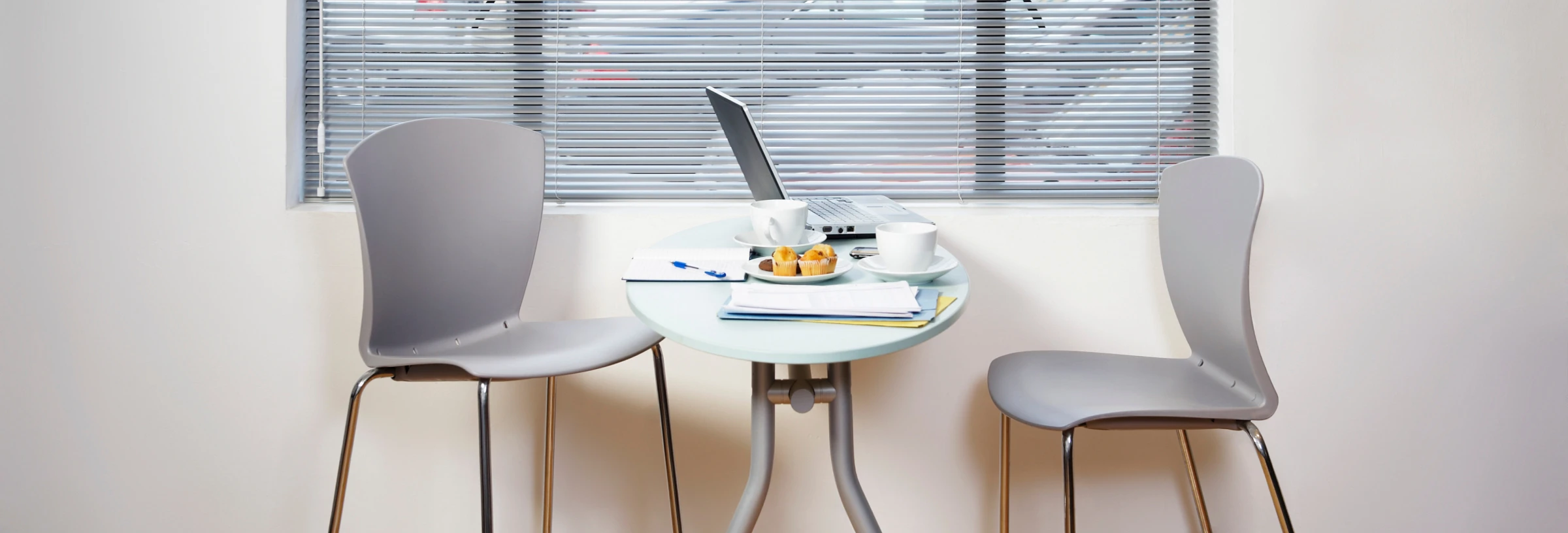
Quality Testing: How Commercial Plastic Chairs Are Validated for Safety
A completed plastic chair is not ready for shipment until it passes a series of standardized quality tests. For commercial-grade PP chairs destined for schools, offices, and public spaces, these tests are not optional — they determine whether the chair meets the safety and durability requirements of building codes, procurement specifications, and international furniture standards.
Here are the key tests performed on commercial polypropylene chairs:
| Test Category | Test Description | Standard / Threshold |
|---|---|---|
| Backrest tension test | A controlled force is applied to the top of the backrest while the seat is fixed, measuring resistance to backward deflection and failure | 120kg pull force without fracture or permanent deformation |
| Static load test | A distributed load is applied to the seat surface for a sustained period to verify the chair supports its rated weight capacity without structural failure | Typically 150–200kg static load sustained for 60 seconds |
| Drop test / Impact resistance | The chair is dropped from a specified height onto a hard surface to simulate rough handling during shipping, stacking, and daily use | No cracking, splitting, or structural damage after repeated drops |
| Stacking load test | Chairs are stacked to maximum specified height and left for an extended period to verify that bottom chairs sustain the weight without deformation | No deformation after 24–72 hours at maximum stack height |
| Cyclic fatigue test | A mechanical actuator repeatedly loads and unloads the seat and backrest thousands of times to simulate years of sit-stand cycles | 50,000–100,000 cycles without failure (varies by standard) |
| UV resistance test | Chair shell specimens are exposed to accelerated UV light in a weathering chamber to assess color fading and surface degradation | Minimal color change after 500+ hours of accelerated exposure |
| Fire retardancy test | The PP material is exposed to an open flame to verify that it self-extinguishes within the required time period | Meets UL94 or equivalent building code fire safety classification |
| Chemical resistance test | The chair surface is exposed to common cleaning agents, solvents, and food substances to verify no staining, discoloration, or surface degradation | No visible damage after 24-hour exposure to specified chemicals |
Manufacturers who supply to institutional buyers — schools, hospitals, government buildings, and multinational corporations — are typically required to provide third-party test reports from accredited laboratories. These reports verify compliance with standards such as BIFMA (Business and Institutional Furniture Manufacturers Association), EN 16139 (European furniture strength and durability standard), or the corresponding national standards in the buyer's market.
Beyond laboratory testing, production-line quality control includes random sampling inspections at multiple stages. At Aston's facility, every chair must pass three inspection gates before packaging: structural safety and stability testing, functional component testing (casters, swivels, tablet mechanisms), and visual/cosmetic inspection for surface defects, color consistency, and assembly accuracy. This three-gate system ensures that defective units are caught before they reach the packaging line.
Design Variations: Why Not All Plastic Chairs Are Created Equal
If you have ever browsed a catalog of commercial plastic stacking chairs, you have probably noticed that there are dozens of seemingly similar products at very different price points. Understanding what differentiates these chairs helps procurement professionals make better purchasing decisions.
The differences come down to several design and manufacturing variables:
Shell material grade: As discussed earlier, chairs made from virgin PP+ fiber compound are stronger and more consistent than those using recycled or unmodified polypropylene. The fiber reinforcement increases rigidity and impact resistance without adding significant weight. Chairs that pass 120kg backrest testing typically use fiber-reinforced PP, while cheaper alternatives using basic PP may only handle 80–90kg before permanent deformation occurs.
Frame construction: The gauge (wall thickness) and diameter of the steel tubing directly affect load capacity and stability. A frame using Φ19×T1.5mm tubing will support heavier users and last longer than one using Φ12.7×T1.0mm tubing, but it also costs more. The welding method matters too — robotic welding produces more consistent and stronger joints than manual welding, but requires higher capital investment in production equipment.
Surface finish durability: Electrostatic powder coating at 220°C produces a harder, more durable finish than standard liquid spray paint. Chrome electroplating offers the highest durability and corrosion resistance but at a premium cost. The finish quality directly affects how the chair looks after 3, 5, or 10 years of commercial use.
Ergonomic shell design: The shape of the PP shell determines seated comfort, which is not something visible in a product photo. Chairs designed with ergonomic principles feature contoured backrests that follow the natural curve of the spine, waterfall-edge seats that reduce pressure behind the knees, and appropriate seat height-to-depth ratios for the target user population. Cheap chairs often use flat, non-contoured shells that cause discomfort after 20–30 minutes of sitting.
Stackability engineering: The ability to stack chairs compactly and safely is an engineered feature, not an afterthought. Well-designed stacking chairs nest together with consistent spacing, stable alignment, and no risk of the stack toppling. Some designs — like the C-frame cantilever chairs — can even stack onto tabletops for floor cleaning. Chairs that claim to be stackable but wobble or jam after 5–6 high are poorly engineered.
Configuration versatility: Commercial-grade PP chair lines offer multiple configurations from a single shell design. The same PP seat shell can be mounted on a four-leg frame, a sled base, a caster base, a cantilever frame, a bar-height frame, or a solid wood leg. This modularity allows buyers to furnish an entire building — classrooms, cafeterias, meeting rooms, reception areas, and break rooms — with a coordinated aesthetic using a single product family, while matching the right frame type to each environment's functional needs.
This versatility is one of the key reasons why architects, interior designers, and facility planners specify PP chair systems for large commercial projects. A single product family can cover training rooms with writing tablet chairs, cafeterias with fixed table-and-chair units, lobbies with cushioned guest seating, and outdoor terraces with all-weather stacking chairs — all sharing the same design language and color palette.
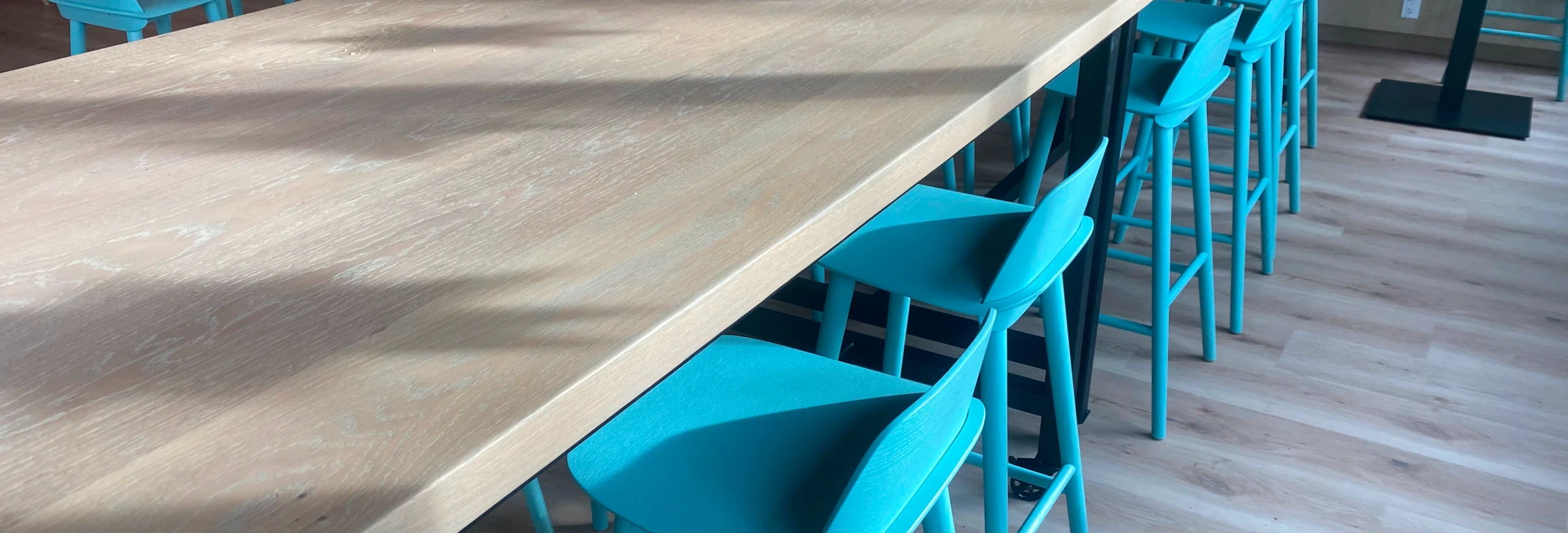
From Factory Floor to Your Workspace: Packaging, Logistics, and the Full Production Timeline
The final stage of plastic chair manufacturing covers packaging, warehousing, and logistics — the steps that bridge the gap between the factory floor and the buyer's facility.
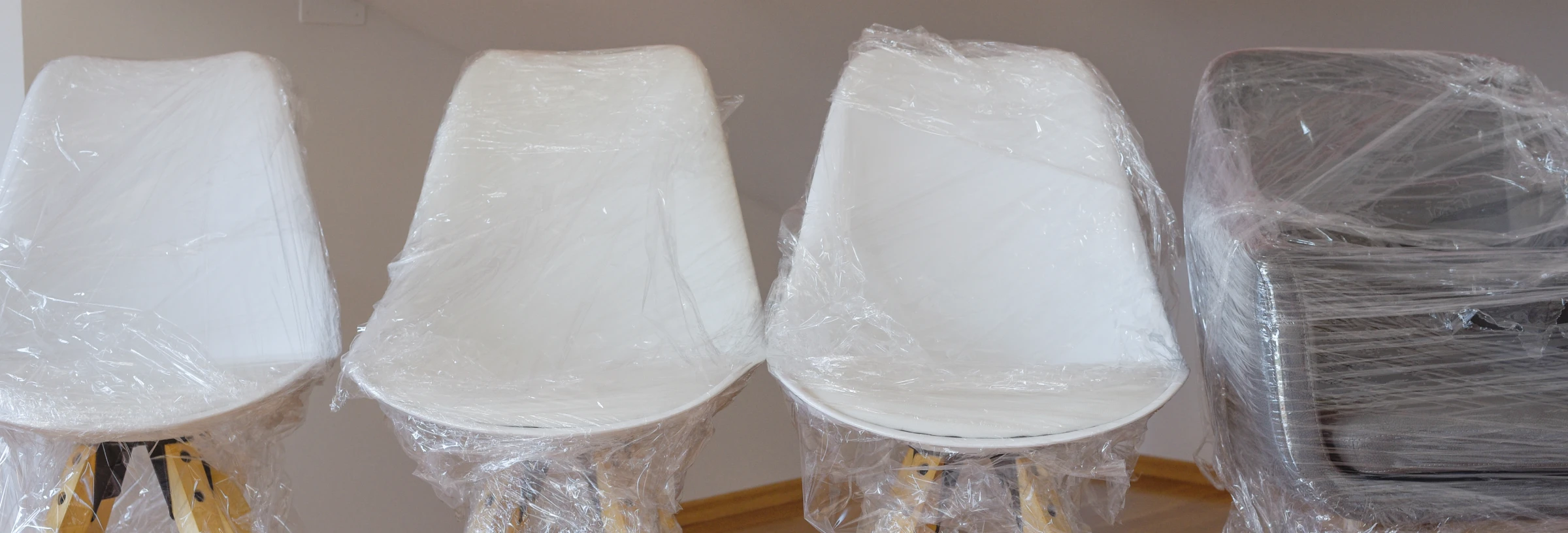
Packaging: Finished chairs are packaged based on their configuration and shipping method. Fully assembled chairs are typically wrapped in protective film or foam sleeves and loaded into cartons designed to hold 2–6 units per box, depending on the chair's size and whether it is stackable. Knock-down (KD) packaging — where the shell and frame are packed separately for assembly at the destination — is used for ocean freight shipments to maximize container loading efficiency. A standard 40-foot container can hold approximately 400–800 PP chairs depending on the model and packaging method.
Production timeline: For a standard bulk order of commercial PP chairs, the typical production timeline from order confirmation to shipment readiness is 15 to 30 days for stock models and 30 to 45 days for custom OEM configurations involving specific colors, custom branding, or modified frame designs. This timeline includes raw material procurement, injection molding, frame fabrication, surface treatment, assembly, quality inspection, and packaging.
MOQ and order flexibility: Most commercial PP chair manufacturers set minimum order quantities (MOQs) to ensure production efficiency. Standard MOQs for off-the-shelf models typically range from 50 to 200 pieces. For custom OEM orders requiring mold modifications or new colorways, MOQs may be higher — often 500 to 1,000 pieces — to justify the setup costs involved in changing mold colors, adjusting production lines, and performing new quality validations.
Sustainability in production: Modern PP chair manufacturing incorporates several sustainability practices. Injection molding produces minimal material waste — the sprues and runners (the channels that feed molten plastic into the mold cavity) are ground and reblended into the production stream. Defective shells are similarly granulated and recycled. Powder coating produces no liquid solvent waste, unlike traditional wet paint processes. And the finished PP chairs themselves are fully recyclable at the end of their service life, closing the material loop.
Total cost of ownership: When evaluating plastic chairs for a commercial project, the purchase price per unit is only part of the equation. The total cost of ownership includes maintenance cost (PP chairs require virtually zero maintenance beyond occasional cleaning), replacement frequency (a well-made PP chair lasts 8–15 years in commercial use versus 2–4 years for a cheap alternative), storage cost (stackable designs minimize off-season storage footprint), and disposal cost (recyclable PP has residual material value). Buying from a manufacturer that invests in quality materials, precision tooling, and rigorous testing delivers a significantly lower total cost over the furniture's lifetime.
Conclusion
The answer to "how is a plastic chair made" is far more complex than most people expect. From the molecular structure of the polypropylene resin to the precision of the injection mold, from the metallurgy of the steel frame to the chemistry of the powder coating, every step in the manufacturing process contributes to the finished product's performance, safety, and lifespan.
For commercial buyers — distributors, wholesalers, project contractors, and facility managers — understanding this process is not academic. It is the foundation for evaluating suppliers, comparing quotes, and making purchasing decisions that deliver long-term value rather than short-term savings. A PP chair that costs 15% more at the factory gate but lasts three times as long in a school cafeteria is the better investment by every measure.
If you are sourcing polypropylene chairs for a commercial project — whether it is an office, training center, school, library, cafeteria, or outdoor venue — explore Aston's complete range of commercial PP chairs built with virgin PP+ fiber, precision steel frames, and backed by 120kg backrest testing and a 3-year warranty.
