
Leather sofas are a staple in professional environments — from executive offices and reception areas to corporate lounges and VIP meeting rooms. They project authority, comfort, and durability. But without proper cleaning and maintenance, even the highest-quality office leather sofa can develop cracks, stains, and a worn appearance that undermines the image of your workspace.
If you've been asking "how can I clean leather sofa" without getting a clear, practical answer, this guide is for you. We'll walk through everything from routine dusting to deep stain removal, conditioning schedules, and long-term protection strategies — all tailored specifically for office and commercial leather furniture that sees daily use from employees, clients, and visitors.
Whether you manage a single executive office or oversee furniture maintenance for an entire building, the methods below will help you extend the life of your leather couch, keep it looking professional, and avoid costly replacements.
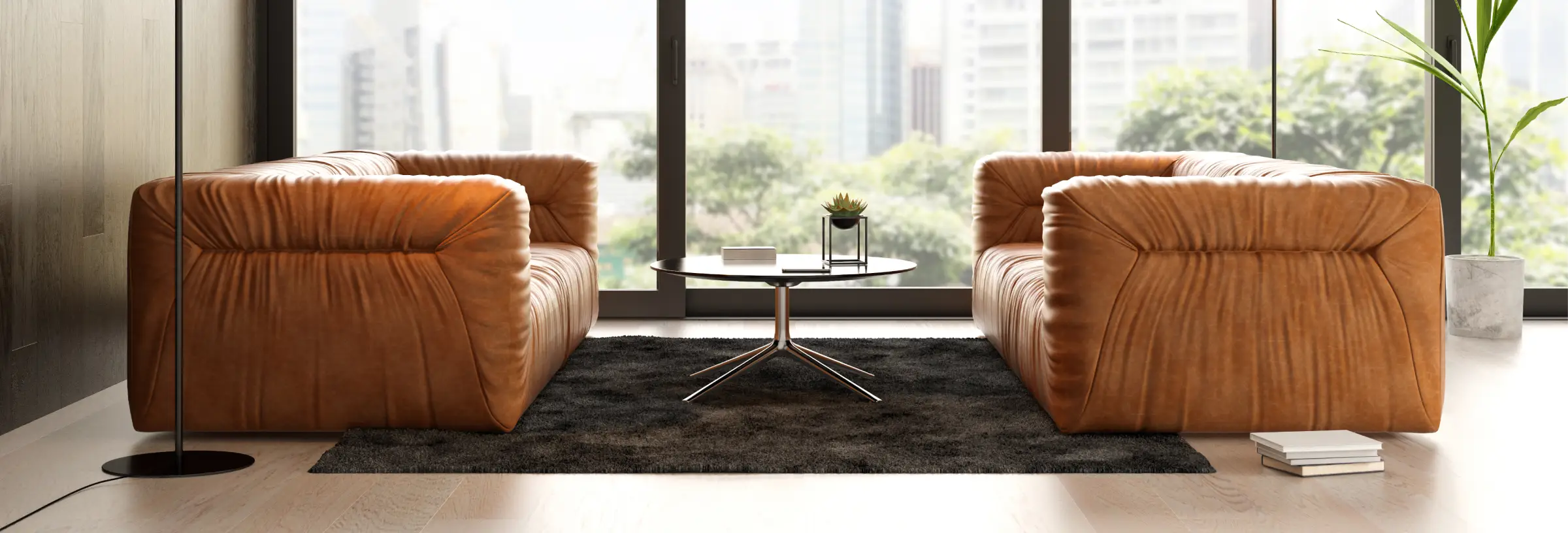
Understanding Your Office Leather Couch Before You Start Cleaning
Before you apply any cleaning product to your leather sofa, you need to understand what type of leather you're working with. Different leather finishes respond differently to cleaning agents, and using the wrong method can cause permanent damage.
Most office leather sofas — including the models commonly used in reception areas, lobbies, and executive suites — use one of the following leather types:
Pigmented (Protected) Leather: This is the most common type found in commercial office furniture. It has a polymer surface coating that provides resistance to stains, fading, and wear. This finish is the easiest to clean and maintain, making it ideal for high-traffic office environments. Most office sofa furniture from manufacturers like Aston uses this type due to its durability and low maintenance requirements.
Semi-Aniline Leather: This leather has a light protective coating but retains more of the natural grain and texture. It offers a balance between aesthetics and practicality. You'll find this on mid-to-high-end office reception sofas where appearance matters but the furniture still needs to handle regular use.
Aniline (Full Grain) Leather: This is the most natural-looking leather with no surface coating. It's beautiful but highly susceptible to staining and water marks. It's less common in busy office settings but may appear in executive private offices or boardrooms with limited traffic.
Bonded Leather / PU Leather: Some office sofas use bonded leather or PU leather for cost efficiency. These materials look similar to genuine leather but require different cleaning approaches. They are generally easier to wipe down but can peel over time if cleaned with harsh chemicals.
To identify your leather type, try the water drop test: place a small drop of water on an inconspicuous area. If the water beads up on the surface, you have pigmented or protected leather. If it absorbs quickly and darkens the spot, it's aniline leather. This simple test will guide your entire cleaning approach.
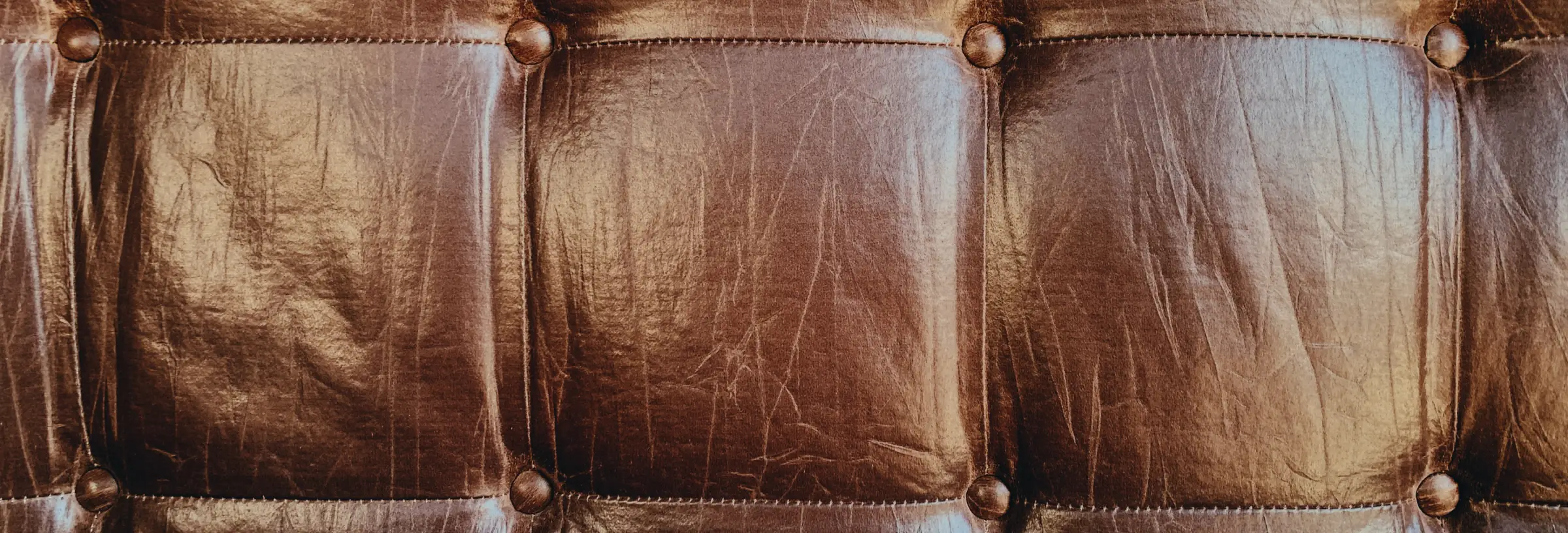
Essential Supplies for Cleaning a Leather Sofa in Office Settings
Having the right supplies on hand before you begin cleaning your leather sofa ensures you won't scramble mid-process or resort to household products that could damage the upholstery. For office environments, we recommend keeping a dedicated leather care kit in your maintenance closet.
Here's what you need:
Microfiber cloths (at least 4-5): Use separate cloths for dusting, applying cleaner, wiping, and buffing. Microfiber is soft enough to avoid scratching the leather surface while being effective at picking up dust and residue. Never use paper towels or rough rags, as they can create micro-scratches on the leather finish.
Vacuum with a soft brush attachment: Essential for removing dust, crumbs, and debris from seams, crevices, and between cushions. In an office setting, this is particularly important because dust accumulates quickly in air-conditioned environments.
pH-balanced leather cleaner: Choose a cleaner specifically formulated for leather furniture — not general-purpose cleaners, not dish soap, and definitely not all-purpose sprays. The pH should be between 5 and 7 to match leather's natural chemistry. Alkaline cleaners strip the natural oils and accelerate cracking.
Leather conditioner: After cleaning, conditioning replenishes the oils that keep leather supple. Look for a water-based conditioner without silicone, petroleum, or wax — these can build up on the surface and attract more dirt over time.
Distilled water: Tap water contains minerals that can leave white residue on leather, especially on darker colors. Always use distilled water for diluting cleaners or for spot cleaning.
Leather protection cream (optional): For office sofas that receive direct sunlight or heavy daily use, a UV-protective leather cream adds an extra barrier against fading and wear.
Step-by-Step Process: How to Clean Leather Furniture in Your Office
Now let's get into the actual cleaning process. This method works for most pigmented and semi-aniline leather sofas — the types most commonly found in office reception areas, waiting rooms, and executive suites.
Step 1: Remove loose debris. Use the vacuum's soft brush attachment to go over the entire surface of the leather sofa. Pay close attention to seams, tufting, and the gaps between seat cushions and armrests. In office environments, you'll often find pen caps, paper clips, crumbs, and dust in these areas. Skipping this step means you'll be rubbing debris into the leather during cleaning, which causes scratches.
Step 2: Dust the entire surface. Take a dry microfiber cloth and wipe down all leather surfaces — seat cushions, backrests, armrests, and the exterior sides and back. This removes the fine surface dust that vacuuming misses. For the base and legs of the sofa, you can use a slightly damp cloth since these are typically wood, metal, or plastic components.
Step 3: Apply leather cleaner. Spray or apply a small amount of pH-balanced leather cleaner onto a clean microfiber cloth — not directly onto the sofa. Work in small sections, using gentle circular motions. Start from the top of the backrest and work your way down to the seat and then the armrests. This prevents dirty solution from dripping onto already-cleaned areas.
Step 4: Wipe off the cleaner. Using a separate damp microfiber cloth (dampened with distilled water), wipe away the cleaner residue from each section before moving to the next. Don't let the cleaner sit and dry on the surface — this can leave streaks or a sticky film.
Step 5: Dry the sofa. Use a dry microfiber cloth to pat and gently buff the surface. Don't use a hairdryer or place the sofa in direct sunlight to speed up drying — heat causes leather to dry out and crack. In an air-conditioned office, the leather will air dry within 15 to 30 minutes at room temperature.
Step 6: Apply conditioner. Once the sofa is completely dry, apply leather conditioner using a fresh microfiber cloth. Work it into the leather in thin, even layers using circular motions. Let it absorb for 10 to 15 minutes, then buff off any excess with a clean cloth. Conditioning after every deep clean keeps the leather soft and prevents it from becoming brittle.
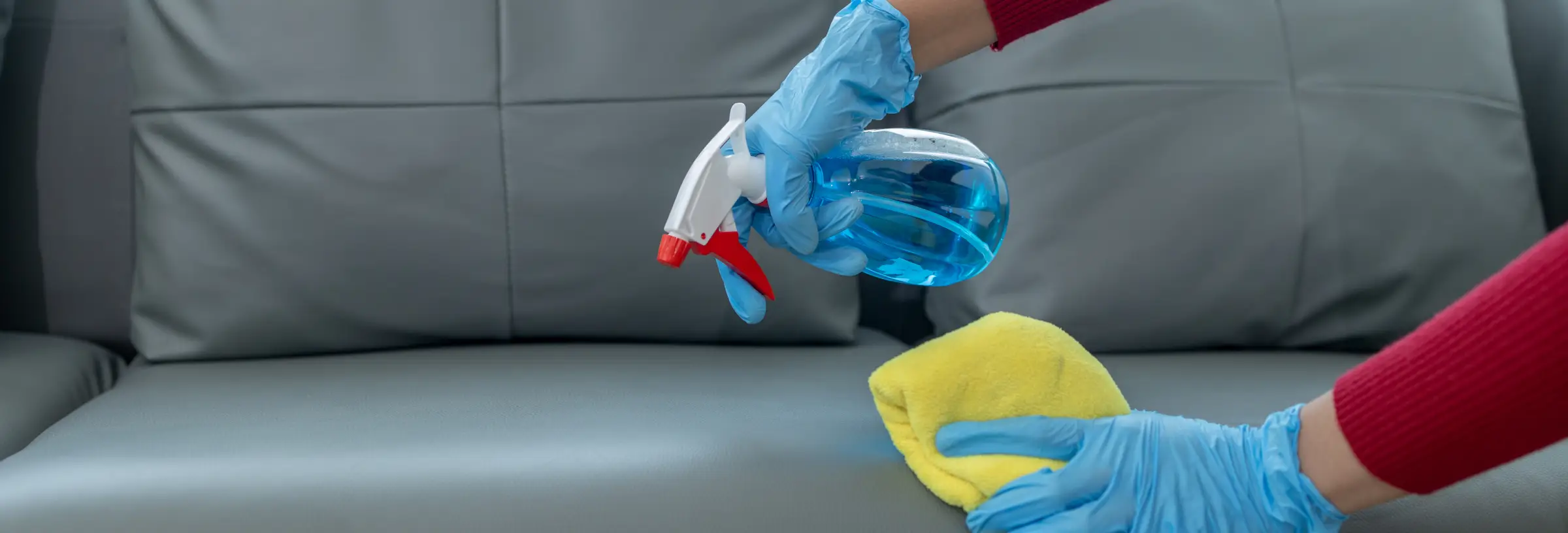
Removing Common Stains from an Office Leather Settee
Office leather furniture is exposed to a unique set of stains that you won't encounter in residential settings. Coffee spills during meetings, ink marks from pens left on cushions, food grease from working lunches, and body oil buildup from armrests — these are everyday realities in a commercial workspace.
Here's how to handle each type:
Coffee and tea stains: These are the most common stains on office leather sofas. Blot the spill immediately with a dry microfiber cloth — do not rub, as this pushes the liquid deeper into the leather grain. Once you've absorbed as much as possible, clean the area with your leather cleaner using gentle circular motions. For dried coffee stains, dampen the area slightly with distilled water first to loosen the residue before applying cleaner.
Ink and ballpoint pen marks: This is a frequent issue on leather armrests and seat cushions in offices. For fresh ink, dab (don't rub) with a cloth dampened in rubbing alcohol, then immediately clean the area with leather cleaner to prevent the alcohol from drying out the leather. For stubborn ink stains, apply a specialized leather ink remover. Never use hairspray, nail polish remover, or acetone — these will dissolve the leather finish.
Grease and food oil: Blot the excess grease with a dry cloth, then sprinkle a small amount of cornstarch or baking soda on the stain. Let it sit for 2 to 4 hours to absorb the oil, then gently brush it off and clean the area normally. Do not use water to clean a grease stain first — water and oil don't mix, and you'll just spread the stain.
Body oil and sweat buildup: This typically appears as darkened, slightly sticky areas on armrests and headrests. It's a gradual buildup rather than a single spill, so it requires more thorough cleaning. Apply leather cleaner and let it sit for 30 to 60 seconds before wiping. You may need to repeat this 2-3 times. Follow up with conditioner to restore the leather's texture.
Water marks: Ironically, water can stain leather — especially aniline and semi-aniline finishes. If water marks appear, dampen the entire panel evenly with a cloth moistened in distilled water, then let it dry naturally and uniformly. This prevents the ring-shaped mark from remaining. Once dry, condition the leather.
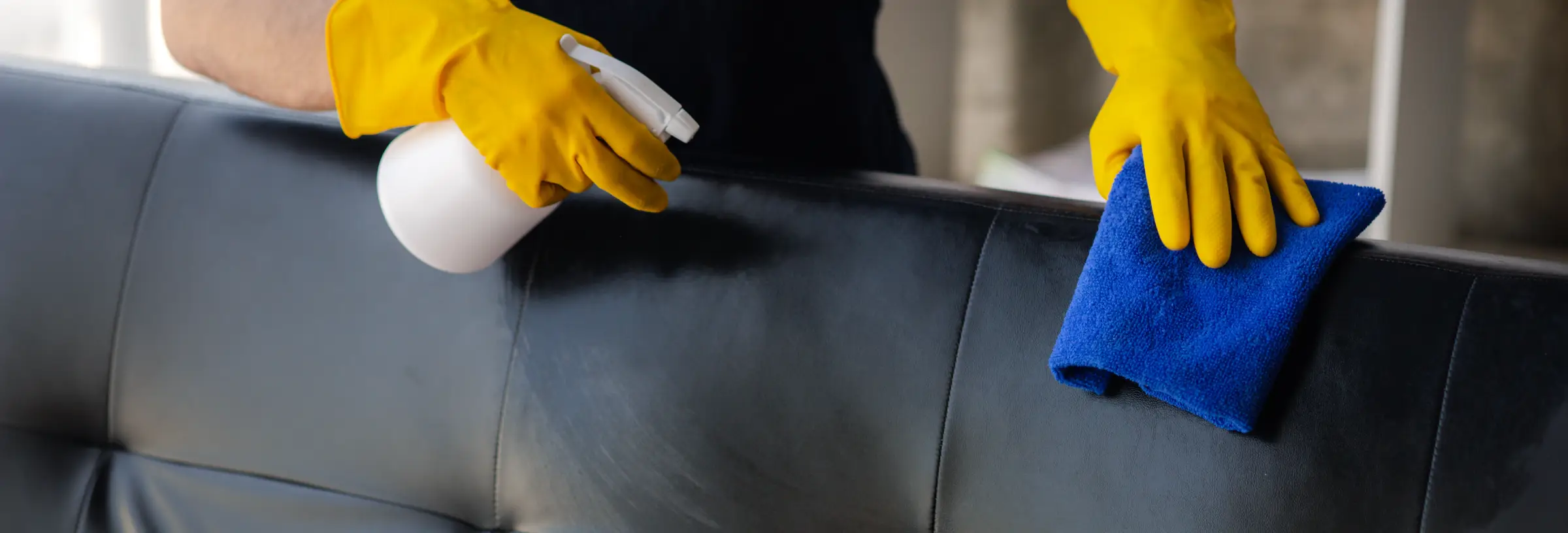
Leather Sofa Cleaning Frequency Guide for Office Environments
One of the biggest mistakes facility managers make is treating leather sofa maintenance as an occasional deep clean rather than a consistent routine. The cleaning frequency for your office leather sofa depends on how much traffic it receives daily.
Use the following schedule as a baseline and adjust according to your specific usage patterns:
| Task | Executive Office (Low Traffic) | Meeting Room (Medium Traffic) | Reception / Lobby (High Traffic) |
|---|---|---|---|
| Surface dusting with microfiber cloth | Once a week | 2-3 times a week | Daily |
| Vacuum seams and crevices | Every 2 weeks | Weekly | 2-3 times a week |
| Full cleaning with leather cleaner | Once a month | Every 2 weeks | Weekly |
| Leather conditioning | Every 3 months | Every 6-8 weeks | Monthly |
| UV protection cream application | Every 6 months | Every 4 months | Every 3 months |
| Professional deep cleaning | Once a year | Every 6 months | Every 3-4 months |
For high-traffic areas like reception lobbies where your leather office sofa is used by dozens of visitors daily, sticking to this schedule is critical. Neglecting routine maintenance leads to accelerated wear that no amount of deep cleaning can reverse.
Keep a maintenance log — even a simple spreadsheet — to track when each piece of leather furniture was last cleaned and conditioned. This is especially useful for facilities with multiple office locations or large buildings with dozens of leather sofas across different floors and departments.
Common Mistakes That Damage Your Leather Couch
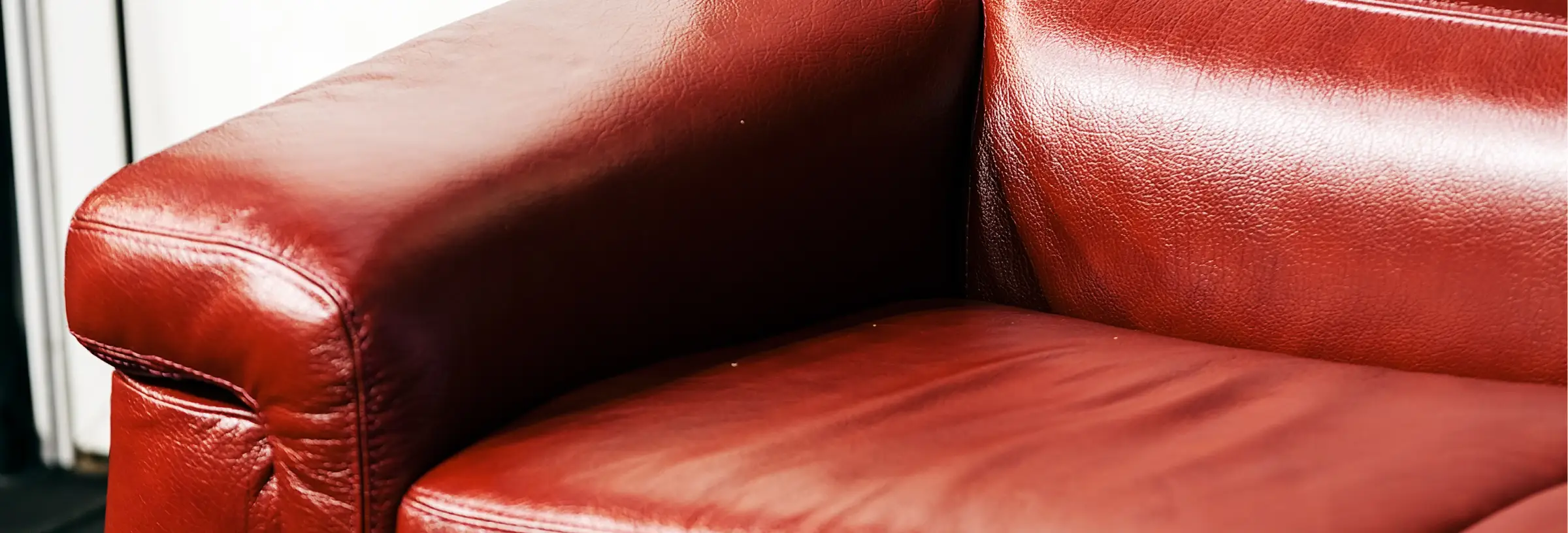
Even well-intentioned cleaning efforts can backfire if you're using the wrong techniques or products. Here are the most common mistakes we see in office environments — and how to avoid them.
Using baby wipes or household cleaning wipes: This is one of the most widespread mistakes. Baby wipes and antibacterial wipes contain chemicals like alcohol, fragrances, and surfactants that strip the protective finish off leather. They may seem convenient for quick cleanups, but over time they cause the leather surface to become dull, dry, and cracked. Always use a dedicated leather cleaner instead.
Placing leather sofas in direct sunlight: UV exposure is one of the fastest ways to fade and dry out leather. If your office reception sofa sits near a window, install UV-blocking film on the glass or use blinds during peak sunlight hours. Rotating cushions periodically (if removable) also helps distribute wear and sun exposure evenly.
Over-conditioning: While conditioning is essential, applying too much or too frequently creates a sticky buildup that attracts dirt and dust. Stick to the schedule in the table above and always buff off excess conditioner after application. A thin, even layer is all you need.
Using colored or dyed cloths: Dyes from cheap cloths can transfer onto light-colored leather, especially when combined with cleaning solutions. Always use white or light-colored microfiber cloths when cleaning leather furniture.
Ignoring the back and sides: Many people only clean the seat cushions and armrests — the parts they can see. But dust and grime accumulate on the back and sides of the sofa too, and in office settings, these areas often lean against walls where they trap dust and are exposed to paint residue or wall texture marks. Clean all surfaces, not just the visible ones.
Applying cleaner directly onto the leather: Spraying or pouring cleaner directly onto the sofa can cause uneven saturation, leading to dark spots or water marks. Always apply the product to your cloth first, then wipe the leather surface.
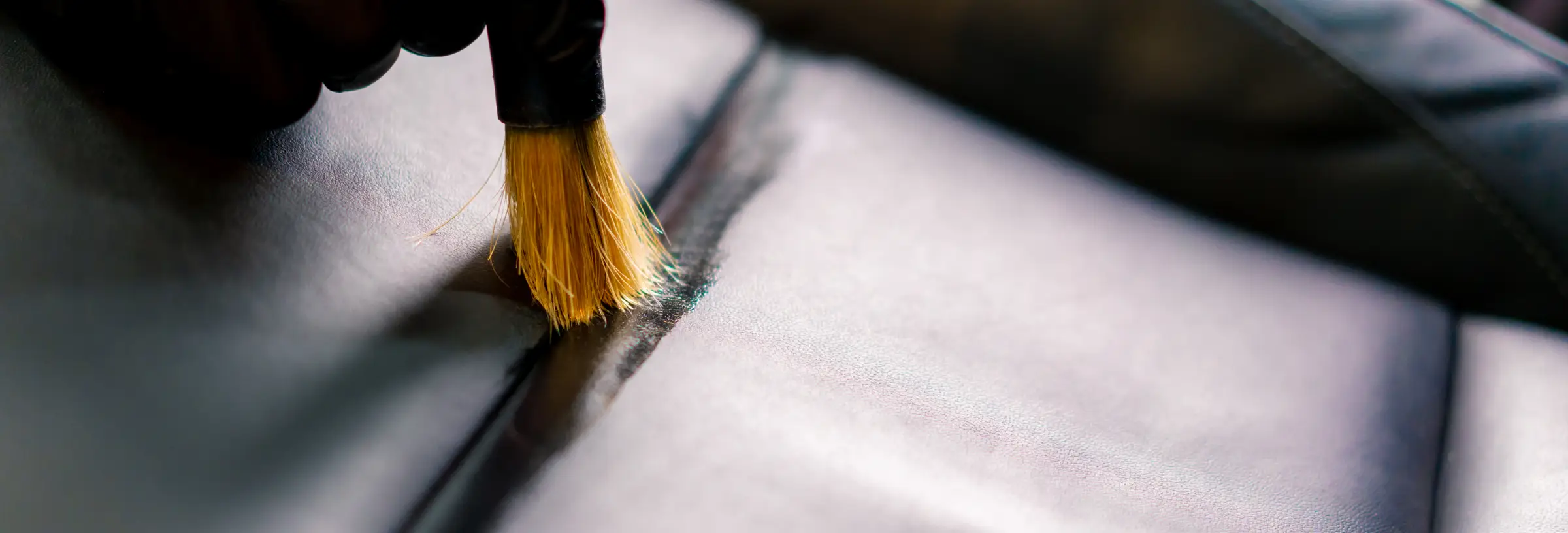
Using sharp objects to remove debris from seams: It's tempting to use a pen or key to dig out crumbs from seams, but this scratches and cuts the leather. Use the vacuum brush attachment or a soft-bristled brush instead.
Seasonal Care and Long-Term Protection for Leather Office Furniture
Beyond routine cleaning, leather furniture in office settings requires seasonal attention to account for changes in humidity, temperature, and usage patterns throughout the year.
Winter and dry season care: Heated offices with low humidity are the biggest enemy of leather. When indoor humidity drops below 40%, leather loses moisture rapidly and becomes prone to cracking. During these months, increase your conditioning frequency by 50% — for example, if you normally condition monthly, do it every three weeks. Consider placing a humidifier near leather furniture or maintaining office humidity between 40-60% through your HVAC system.
Summer and humid season care: High humidity can promote mold growth on leather, especially on sofa backs that sit close to walls with poor air circulation. During humid months, ensure at least 3 to 4 inches of space between the sofa back and the wall. Wipe down the leather surface more frequently to remove moisture and prevent mold spores from settling. If you notice any musty smell, clean the area with a leather cleaner and ensure proper ventilation.
Air conditioning considerations: Most offices run air conditioning year-round, which creates a consistently dry environment. While this reduces mold risk, it accelerates leather dehydration. The cold air from AC vents directed onto leather sofas is particularly damaging. If possible, adjust vent angles so that direct airflow doesn't hit your leather furniture continuously.
Long-term UV protection: If repositioning the sofa away from windows isn't an option, apply a leather-specific UV protection cream every 3 to 6 months. This forms an invisible barrier that slows fading and oxidation. Commercial-grade UV protectants designed for automotive leather interiors also work well for office furniture.
Annual professional assessment: For high-value leather furniture — such as executive office sofas, boardroom seating, or reception pieces that represent your company's image — consider an annual professional leather cleaning and assessment. Professionals can identify early signs of wear, perform color restoration on faded areas, and apply industrial-grade protectants that consumer products can't match.
How Leather Quality Affects Cleaning and Maintenance Requirements
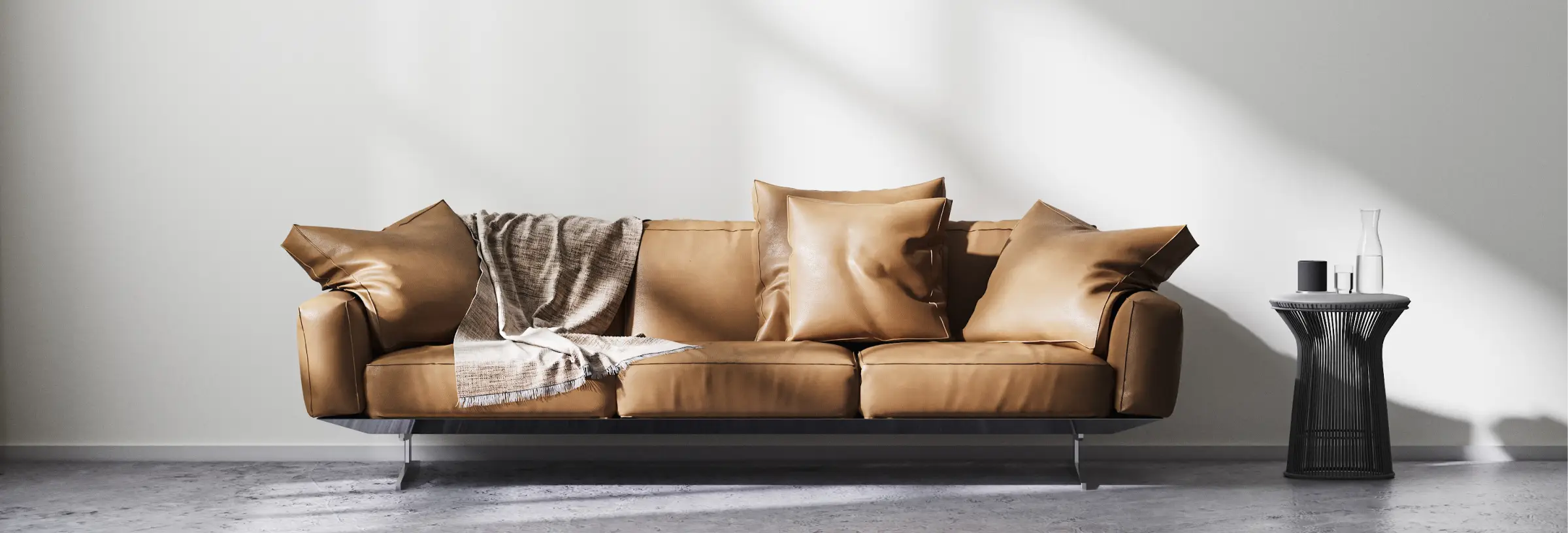
Not all leather sofas are created equal, and the quality of the leather and frame construction directly impacts how much maintenance your sofa will need over its lifespan. Understanding this relationship helps procurement managers make smarter purchasing decisions upfront.
Frame and interior construction: A well-built office sofa starts with a solid frame — typically kiln-dried hardwood or heavy-gauge steel — and high-density foam padding. When the frame is sturdy and the cushions retain their shape, the leather surface stays smooth and taut, which means fewer creases and fold lines where dirt accumulates. Cheap sofas with weak frames sag quickly, creating deep creases that are nearly impossible to clean thoroughly.
Leather thickness and finish: Thicker leather with a consistent finish layer is more resistant to staining and wear. Top-grain pigmented leather used on commercial-grade office sofas typically ranges from 1.0mm to 1.4mm in thickness, providing a good balance between durability and comfort. Thinner leather or splits with heavy surface coating may look similar initially but tend to crack and peel sooner, especially under the stress of daily office use.
Stitching and seam quality: Double-stitched seams with bonded nylon thread hold up better in commercial environments. Poor stitching creates gaps where dust and crumbs accumulate, making cleaning harder and creating weak points where the leather can tear. When evaluating office leather furniture, check the stitch density and thread quality — it's a reliable indicator of overall build quality.
The connection between build quality and maintenance cost: Investing in a well-constructed leather office sofa from a reputable manufacturer reduces your total cost of ownership significantly. A high-quality sofa needs only routine cleaning and occasional conditioning to last 8 to 12 years in a commercial setting. A cheaper alternative may cost less upfront but will require more frequent deep cleaning, earlier re-upholstering, and sooner replacement — often within 3 to 5 years.
This is why commercial buyers, project contractors, and office furniture distributors prioritize manufacturers with strict quality control and durable material sourcing. Aston's office sofa range, for example, uses high-density foam interiors and strong hardwood frames designed to maintain their structural integrity over years of daily commercial use — which also means the leather surface stays in better condition with less maintenance effort.
Quick-Reference Cleaning Do's and Don'ts for Office Leather Seating
For facility managers, office administrators, and cleaning staff, here's a condensed reference you can print and keep near your maintenance supplies. These guidelines apply to most commercial leather upholstered furniture including sofas, loveseats, armchairs, and reception seating.
Do:
Test any new cleaning product on a hidden area first — under the seat cushion or on the back panel near the floor. Wait 24 hours and check for discoloration or texture change before using it on visible surfaces.
Blot spills immediately. The first 30 seconds after a spill determine whether it becomes a stain. Keep microfiber cloths easily accessible near leather seating areas in your office.
Clean in the direction of the leather grain, not against it. This preserves the natural texture and prevents the cleaning motion from pushing dirt into the pores.
Lift cushions and clean underneath them regularly. In office environments, this area collects dust, crumbs, business cards, coins, and other small items that can scratch the leather from underneath.
Keep leather furniture at least 2 feet away from heat sources including radiators, space heaters, and heating vents. Heat dries out leather faster than any other environmental factor.
Don't:
Never use bleach, ammonia, acetone, or any solvent-based cleaner on leather. These chemicals destroy the surface finish and cause irreversible damage.
Don't use saddle soap on office leather furniture. Despite its name suggesting it's good for leather, saddle soap is formulated for rugged, unfinished leather goods like horse tack and work boots — not for finished furniture leather. It's too harsh and will strip the protective coating.
Avoid "all-in-one" leather cleaner-conditioner products. Cleaning and conditioning are two separate steps that serve different purposes. Combination products typically do neither job well. Use dedicated products for each step.
Don't let anyone sit on the leather sofa in wet clothing or place damp items on it. Water saturation in localized areas causes uneven drying, which leads to stiffness and color variation.
Never use a steam cleaner on leather furniture. The heat and moisture combination can warp the leather, dissolve adhesives, and damage internal foam and frame components.
When to Call a Professional for Leather Sofa Restoration
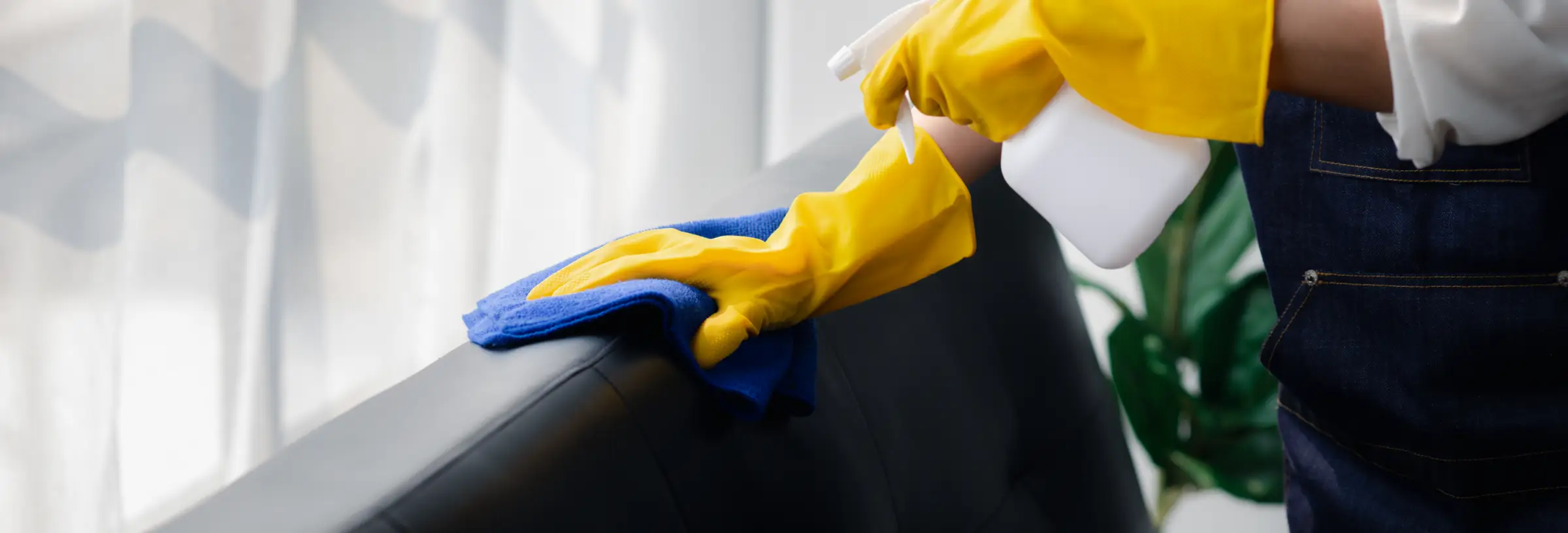
Even with diligent maintenance, there comes a point where DIY cleaning isn't enough. Knowing when to bring in a professional leather restoration service can save you from causing further damage and potentially save the sofa from replacement.
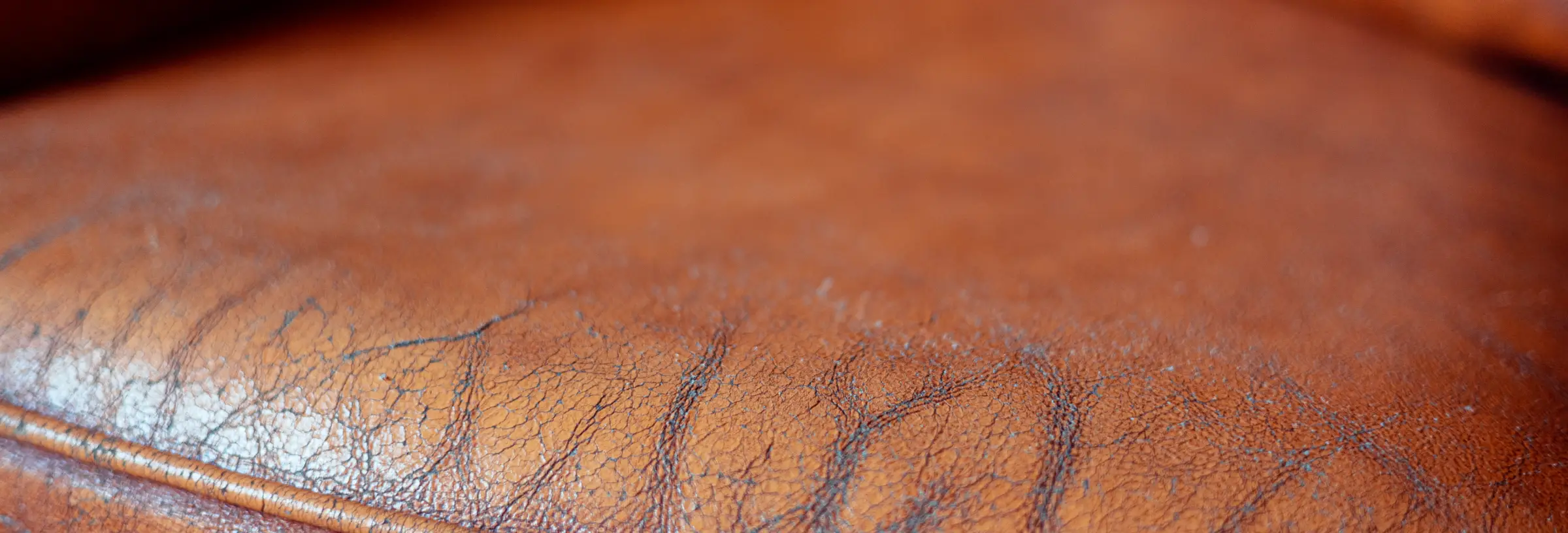
Visible cracking or peeling: Surface cracks in leather indicate severe dehydration or finish breakdown. A professional can assess whether the leather can be restored through re-finishing and re-coloring, or whether re-upholstering is the more cost-effective option. Attempting to fix cracks with consumer products often makes them worse.
Deep stains that won't respond to standard cleaning: If you've tried the appropriate stain removal methods twice without improvement, stop and call a professional. Repeated aggressive cleaning on a stubborn stain can remove the leather's color and finish, turning a stain into a much larger cosmetic issue.
Color fading or discoloration: Leather color restoration requires specialized dyes and application techniques. Professionals use airbrush equipment to match and apply color evenly, achieving results that consumer touch-up kits simply cannot.
Mold or mildew contamination: If mold has penetrated into the leather's pores or the interior foam, surface cleaning won't fully resolve the problem. Professional cleaning with antimicrobial treatments is necessary to eliminate mold spores and prevent health issues in the office environment.
Structural damage: Sagging cushions, broken frames, or torn leather seams need repair beyond surface cleaning. A professional upholstery service can rebuild the interior structure, replace foam, and repair or replace damaged leather panels.
For office environments, the decision to restore versus replace should consider the cost of professional restoration (typically 30-50% of replacement cost for a quality commercial sofa), the remaining useful life of the frame and interior components, and the lead time for replacement furniture. In many cases, restoring a well-built leather office sofa is the more economical and sustainable choice.
Conclusion
Cleaning and maintaining a leather sofa in an office environment is not complicated, but it does require consistency, the right products, and an understanding of how commercial use differs from residential use. The key principles are simple: dust regularly, clean with pH-balanced leather-specific products, condition on a scheduled basis, protect from UV and heat, and address spills and stains immediately.
By following the methods outlined in this guide, your leather office furniture — whether it's a single executive sofa or a fleet of reception couches across multiple locations — will maintain its professional appearance and comfort for years. The investment you make in routine maintenance is a fraction of what premature replacement would cost.
If you're sourcing new leather sofas for your office, choosing well-constructed furniture from the start makes every aspect of maintenance easier. Explore Aston's range of commercial office sofas built with high-density foam, durable frames, and quality leather designed to perform in demanding commercial environments.
