
First impressions in a corporate environment are rarely formed in the boardroom; they happen in the reception area. A potential client’s first physical interaction with your brand is often the seat they wait in. If that seat is stained, dusty, or carries a lingering odor, it communicates negligence. Conversely, pristine office sofa furniture signals attention to detail and operational excellence.
For facility managers and office administrators, maintaining soft seating is not just about aesthetics—it is a matter of hygiene and asset management. Unlike hard surfaces which are easily wiped down, fabric upholstery traps dust, allergens, and bacteria. Without a rigorous cleaning protocol, your investment in high-quality seating can deteriorate rapidly, leading to premature replacement costs.
This guide provides a technical, step-by-step approach to cleaning various fabric types found in modern workspaces. We will move beyond basic dusting to cover stain removal chemistry, deep cleaning methodologies, and preventative strategies to extend the lifecycle of your commercial assets.
Decoding the Tags on Your Commercial Seating
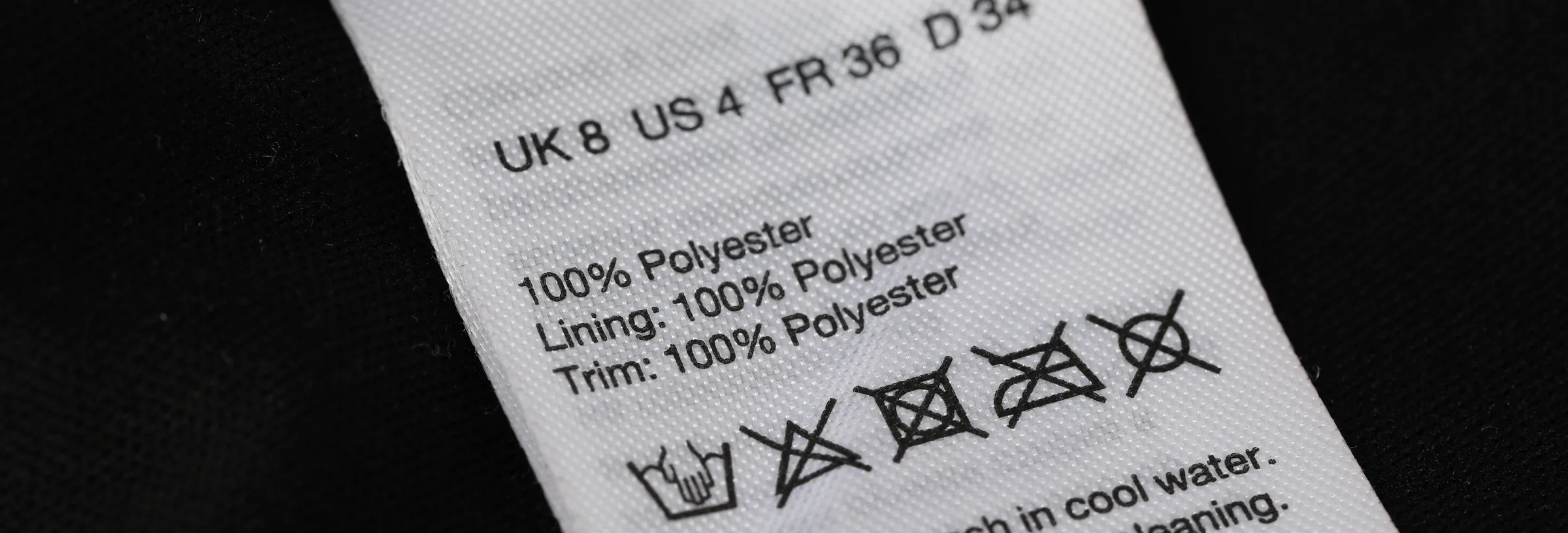
Before applying any water or chemical solution to your commercial seating, you must identify the fabric's cleaning code. Ignoring this step is the most common cause of permanent damage, such as water rings, shrinkage, or dye bleeding. Most reputable manufacturers attach a tag under the cushions or on the frame platform.
Understanding these universal codes is the first step in professional upholstery maintenance.
- Code W (Water-based): This indicates that water-based cleaning agents are safe. You can use distilled water or a water-based foam upholstery cleaner. This is common for durable synthetic fabrics like polyester, often used in high-traffic waiting areas.
- Code S (Solvent-based): Water should never touch this fabric. You must use a water-free solvent or a dry-cleaning product. Applying water to Code S fabric can leave permanent water spots or ruin the texture, particularly with viscose or organic blends.
- Code WS (Water or Solvent): This is the most versatile coding, allowing for mild water-based detergents or dry-cleaning solvents. It offers facility managers more flexibility in removing spots from fabric.
- Code X (Vacuum Only): This is rare in high-traffic office environments but may be found on decorative pieces. These fabrics cannot handle water or solvents; they must only be vacuumed or brushed.
If your furniture lacks a tag, you must perform a spot test in an inconspicuous area (such as the back of a leg skirt) before proceeding with full cleaning.
Routine Vacuuming Protocols for the Workplace Couch
The primary enemy of any workplace couch is not coffee spills, but abrasive dust. Microscopic particles of soil, dead skin cells, and atmospheric dust settle into the weave of the fabric. When users sit down, their weight grinds these particles against the fibers, acting like sandpaper. Over time, this causes the fabric to fray and look dull.
To prevent this mechanical wear, a strict schedule is required.
Frequency and Equipment
For high-traffic zones like lobbies, daily vacuuming is ideal, but a weekly cleaning schedule is the minimum requirement. Use a canister vacuum with a HEPA filter to ensure allergens are trapped rather than redistributed into the office air.
The Technique
- Remove Debris: Before vacuuming, physically remove large debris like paper clips or pens that might have fallen into crevices.
- Use the Right Attachment: Do not use a floor brush with a rotating beater bar, as this can snag the fabric. Instead, use a designated upholstery attachment or a soft brush tool.
- Crevice Tool Application: Dust accumulates most heavily in the junction between the seat and the backrest. Use a crevice tool to extract dust from these tight spaces.
- Directional Vacuuming: Vacuum in a grid pattern—left to right, then up and down. This ensures you are lifting the pile of the fabric and removing dirt from all angles.
Regular removal of dust mites in office furniture not only preserves the fabric but also contributes to better Indoor Air Quality (IAQ), a critical factor in employee health.
Targeted Stain Removal for Business Lounge Furniture
Accidents are inevitable in collaborative spaces. A spilled latte or a dropped pen on your business lounge furniture requires immediate action. The longer a substance sits on the fabric, the higher the likelihood of chemical bonding, resulting in a permanent stain.
The Golden Rules of Blotting
Never rub a stain. Rubbing generates heat and friction, which drives the contaminant deeper into the padding and damages the fiber structure. Instead, use a blotting technique. Press a clean, white, absorbent cloth firmly against the spill to transfer the liquid into the cloth. Repeat this with fresh sections of the cloth until no more color transfers.
Specific Stain Solutions
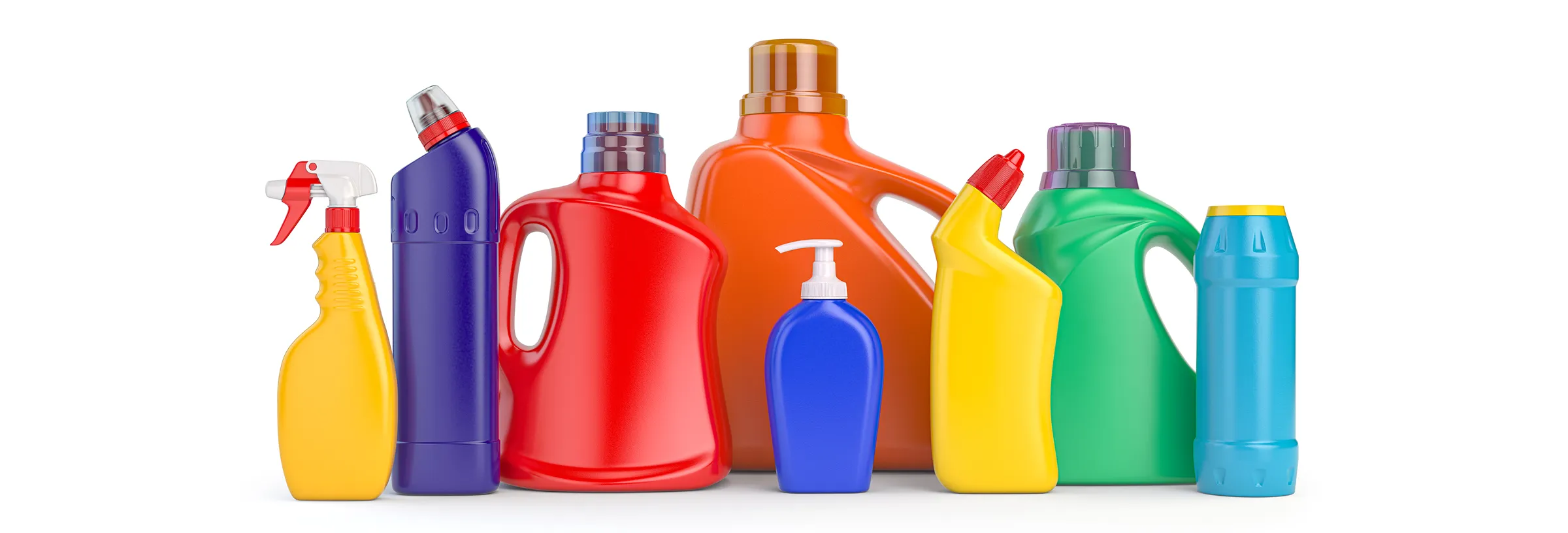
Different stains require different chemical responses. Here is a pragmatic approach for common office mishaps:
- Coffee and Tea: These are tannins. Blot up the liquid. Mix a solution of mild dish soap, white vinegar, and warm water. Apply sparingly and blot. If the stain persists, a dedicated enzyme cleaner may be necessary to break down the organic compounds.
- Ink Stains: Common in meeting rooms. Do not use water. Isopropyl alcohol (rubbing alcohol) is effective. Apply it to a cotton ball and dab the stain gently. Ink stain on fabric can spread easily, so work from the outside of the stain toward the center.
- Grease or Oil (Lunch spills): Sprinkle baking soda or cornstarch on the spot and let it sit for 15 minutes to absorb the oil. Vacuum it up, then treat with a grease-cutting dish detergent.
Always rinse the area (if Code W or WS) by blotting with a cloth dampened with plain water to remove any soap residue. Soap residue is sticky and will attract dirt rapidly, creating a dark patch over time.
Deep Cleaning Strategies for Reception Area Settees
While spot cleaning handles accidents, reception area settees require periodic deep cleaning to remove embedded soil and body oils that vacuuming cannot reach. For most facilities, this should occur annually or bi-annually depending on traffic.
Steam Cleaning (Hot Water Extraction)
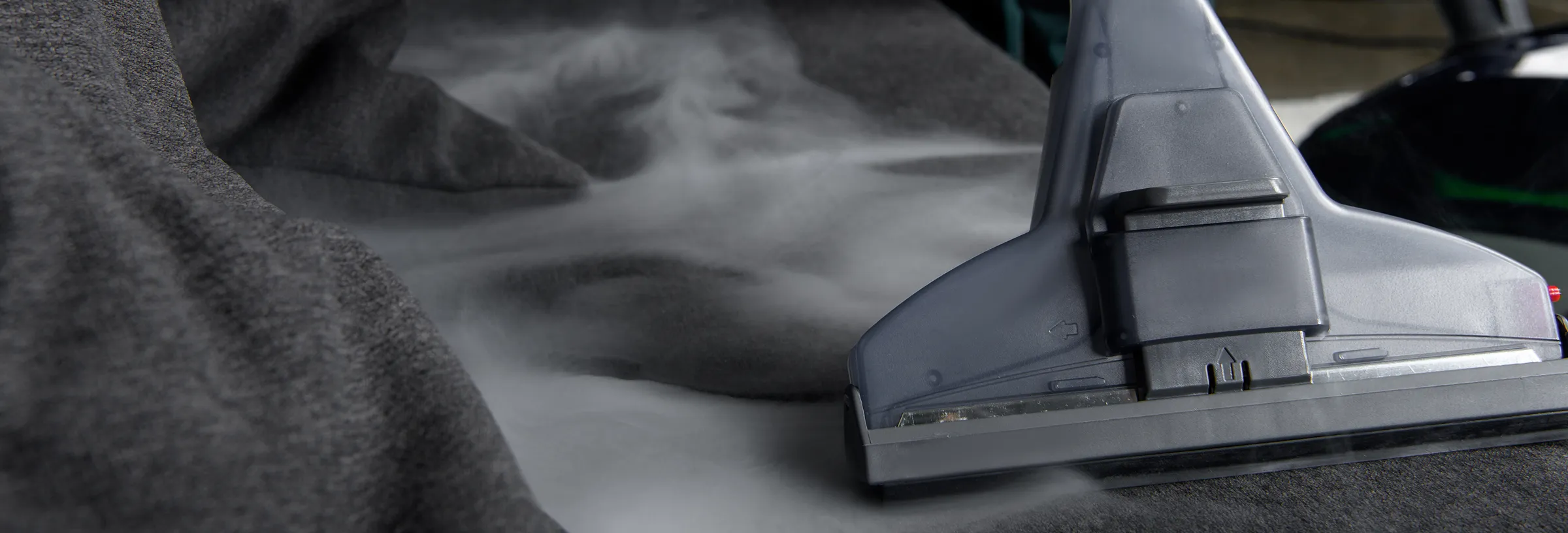
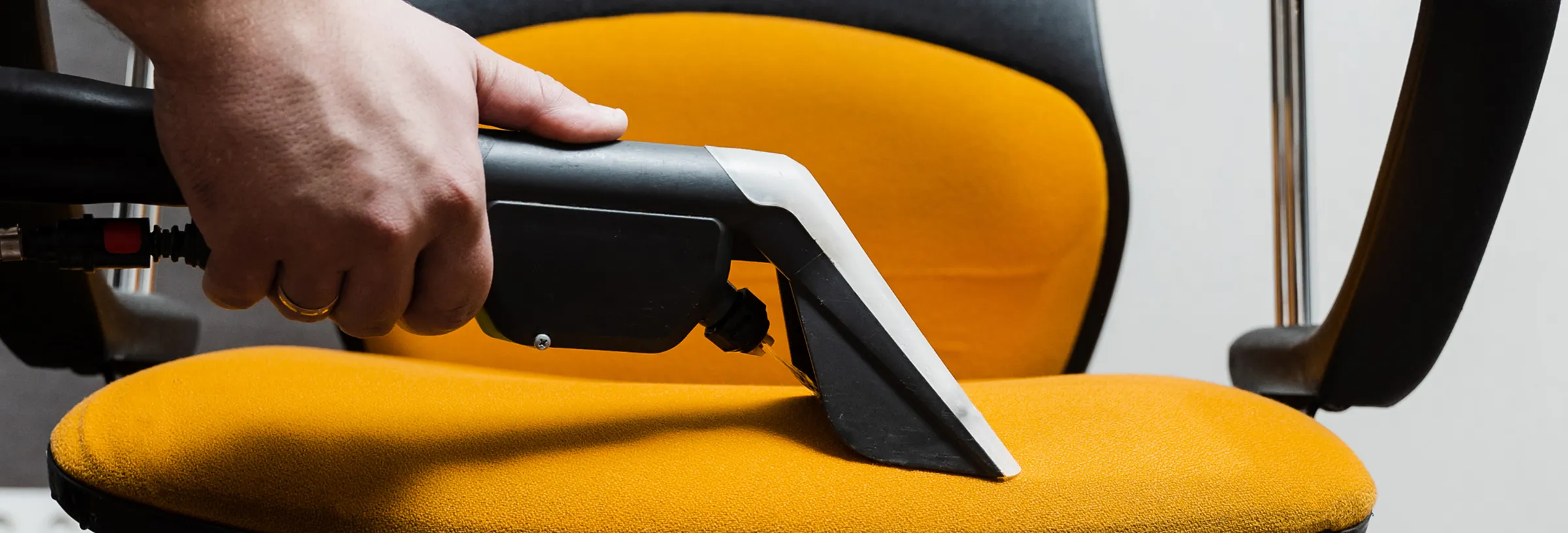
This is the most effective method for Code W and WS fabrics. It uses pressurized hot water to agitate the fiber and a strong vacuum to extract the dirty water immediately.
- Pre-treat: Spray a fabric traffic lane cleaner on heavily soiled areas (like armrests and seat edges).
- Extraction: Move the wand slowly. Inject water and extract simultaneously.
- Drying: Over-wetting is a major risk. It can lead to mold growth in the foam cushion. Ensure the office is well-ventilated. Use air movers or industrial fans to speed up drying.
Dry Foam Cleaning
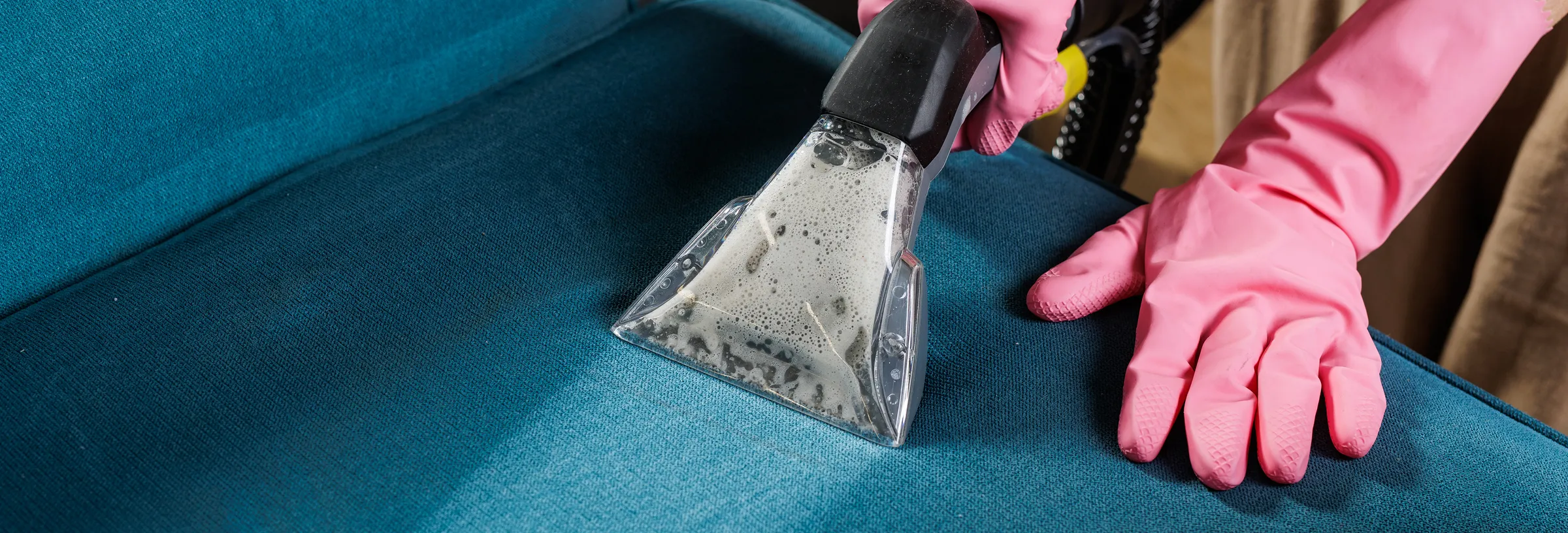
For delicate fabrics or Code S items, dry foam is safer. A specialized machine whips a detergent into a low-moisture foam. The foam sits on the fabric, encapsulating the dirt. Once it dries into a crystal, it is vacuumed away. This method uses significantly less water, reducing drying time to less than an hour, minimizing downtime for your reception area.
Encapsulation Cleaning
A modern method involving the application of a polymer-based chemical. The polymer surrounds soil particles and crystallizes them. This is an excellent low-moisture maintenance method for commercial upholstery cleaning between heavy extractions.
Material-Specific Care for Corporate Upholstered Seating
Not all corporate upholstered seating is created equal. The material composition dictates the cleaning approach. Aston Office products are designed with commercial durability in mind, but they still require material-specific care.
Polyester and Synthetic Blends
These are the workhorses of the office. They are resistant to fading and abrasion.
- Cleaning: highly responsive to water-based cleaners.
- Caution: Avoid high heat, which can melt fibers.
- Benefit: Low maintenance and usually treated with stain repellents during manufacturing.
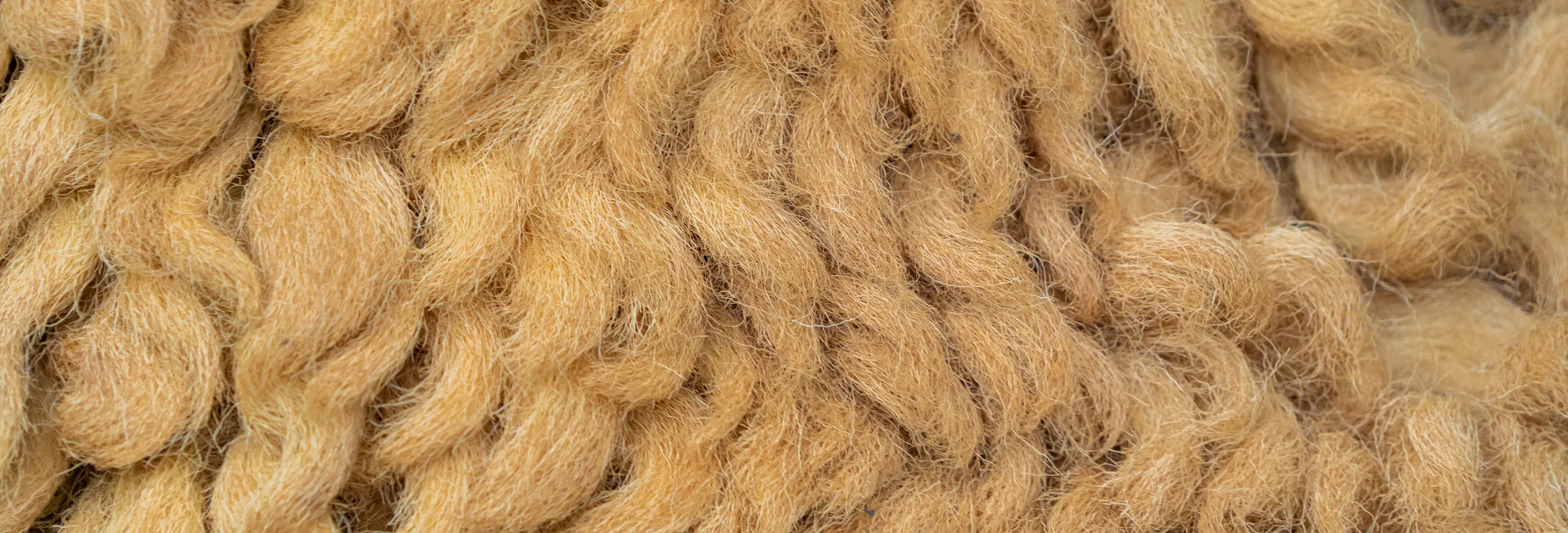
Wool and Natural Fibers
Often found in executive suites or high-end boardrooms.
- Cleaning: Wool is sensitive to alkalinity. Use pH-neutral cleaners specifically designed for wool. High alkaline cleaners can cause "browning" or chemical burns on the fabric.
- Caution: Wool shrinks easily. Do not oversaturate.
Commercial Vinyl and Polyurethane
Technically not fabric, but common in healthcare or breakroom settings.
- Cleaning: Wipe with mild soap and water.
- Sanitizing: Can tolerate stronger disinfectants, but always rinse with clear water. Harsh chemicals left on vinyl can cause it to become brittle and crack over time.
The table below summarizes the compatibility of cleaning agents with common office furniture materials.
Comparison of Cleaning Agents by Material Type
| Material Type | Water-Based Detergent | Solvent Cleaner | Bleach Solution (Diluted) | Steam Cleaning |
| Polyester/Nylon | Recommended (Code W) | Check Tag | Safe for specific Solution-Dyed variants | Highly Effective |
| Wool Blend | pH Neutral Only | Recommended | Avoid (Destroys fibers) | Caution (Low Heat) |
| Cotton/Rayon | Caution (Shrinkage risk) | Recommended (Code S) | Avoid | Avoid |
| Polyurethane (Faux Leather) | Recommended | Avoid (Dries out material) | Check Manufacturer Specs | Caution |
| Vinyl | Recommended | Avoid | Safe (1:10 ratio typical) | No |
Managing Odors in Office Guest Sofa Units
Visual cleanliness is only half the battle. An office guest sofa that retains the smell of food, body odor, or dampness creates a negative environment.
The Science of Odor Removal
Masking odors with floral sprays is ineffective and unprofessional. You must neutralize the bacterial source of the smell.
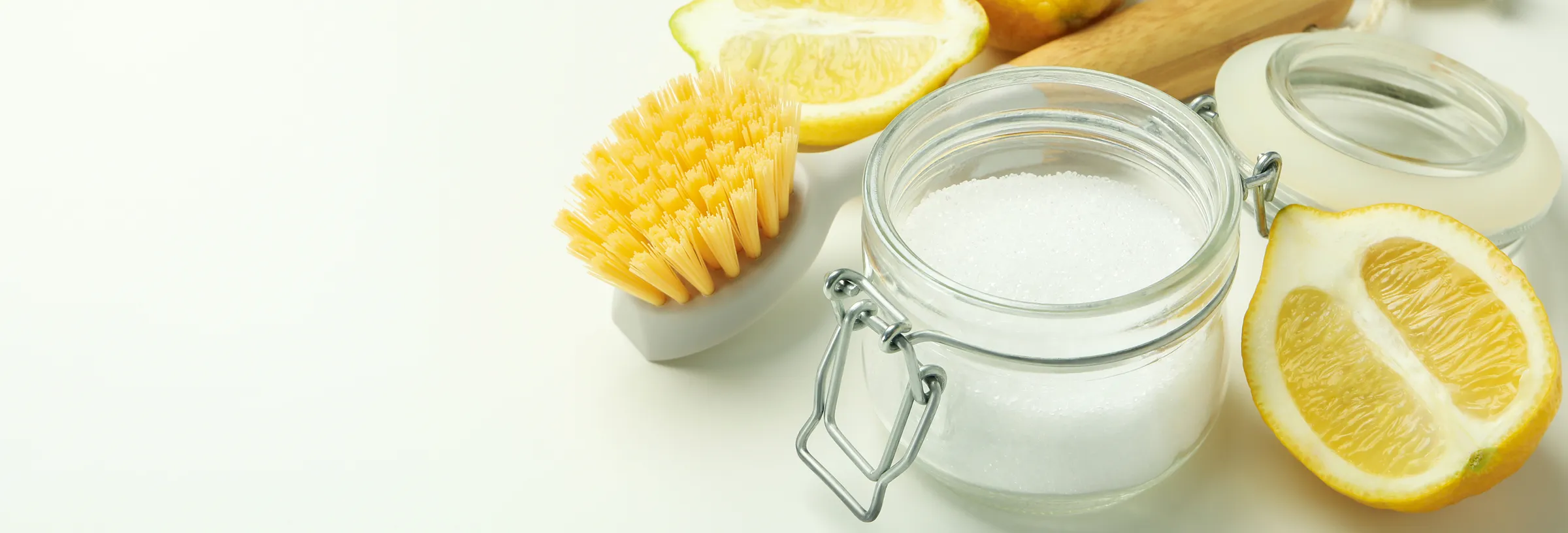
- Baking Soda: For a dry solution, sprinkle generous amounts of baking soda over the sofa. Let it sit overnight to absorb moisture and odors, then vacuum thoroughly.
- Vinegar Mist: A light mist of 50/50 water and white vinegar can kill bacteria. The vinegar smell dissipates as it dries, taking the bad odors with it.
- Commercial Sanitizers: Use a fabric sanitizer spray formulated for soft surfaces. Ensure it claims to kill odor-causing bacteria, not just fragrance the air.
Moisture Control
Odor often stems from moisture trapped in the foam. If a liquid is spilled, you must extract it fully. If the office environment is humid, consider using a dehumidifier to prevent the furniture from absorbing ambient moisture, which promotes mildew growth.
Preventative Measures for Executive Office Couch Maintenance
The most cost-effective cleaning strategy is prevention. Protecting your executive office couch from the start reduces the frequency of deep cleans.
Fabric Protectors
Many commercial fabrics come pre-treated. However, this protection wears off after 12-24 months of use and cleaning. Re-applying a fabric protector spray (like Scotchgard or similar commercial-grade equivalents) helps create a hydrophobic barrier. This causes liquids to bead up on the surface rather than soaking in, buying your cleaning crew valuable time to blot the spill.
UV Protection
Sunlight is a silent destroyer. UV rays break down the chemical bonds in fabric dye, causing fading and weakening the fibers. Position your upholstered furniture away from direct sunlight or use window films/blinds to filter UV rays.
Rotation
If your office layout allows, rotate cushions or the furniture itself. In a waiting room, the "favorite" seat by the window wears out twice as fast as the one in the corner. Rotating assets distributes mechanical wear evenly, ensuring the entire set ages at the same rate.
Lifespan Analysis of Modular Office Seating
Even with perfect maintenance, modular office seating has a finite lifespan. Recognizing when to clean and when to replace is a key facility management skill.
The ROI of Cleaning vs. Replacing
Regular professional cleaning costs a fraction of replacement. According to the Institute of Inspection Cleaning and Restoration Certification (IICRC), regular maintenance can extend the life of commercial furnishings by up to 50%.
However, there is a tipping point. You should consider replacement or professional reupholstery if:
- Foam Collapse: The fabric is clean, but the seat no longer rebounds. The structure is compromised.
- Permanent Fraying: Cleaning cannot fix physical tears or bald spots in the weave.
- Persistent Odors: If deep extraction cannot remove an odor, it has likely penetrated deep into the foam core or frame, becoming a hygiene hazard.
At Aston Office, our furniture is engineered with modular components. In many cases, you may only need to replace a specific module or cushion cover rather than the entire unit, offering a pragmatic path to extending asset life.
Conclusion
Maintaining office sofa furniture is a discipline that combines chemistry, routine labor, and strategic planning. It is not merely about removing a coffee stain; it is about preserving the professional image of your company and safeguarding the health of your employees and guests.
By adhering to cleaning codes, implementing a weekly cleaning schedule, and addressing spills immediately with the correct spot cleaning solution, you ensure your facility remains pristine. Whether you manage a small startup or a corporate headquarters, treating your soft seating with the same rigor as your technical equipment will yield long-term dividends in both aesthetics and budget.
Establish your protocol today. Check your tags, equip your team with the right tools, and protect your investment for years to come.
